How AI-Powered Transport Apps are Transforming Multi-Modal Mobility for Founders
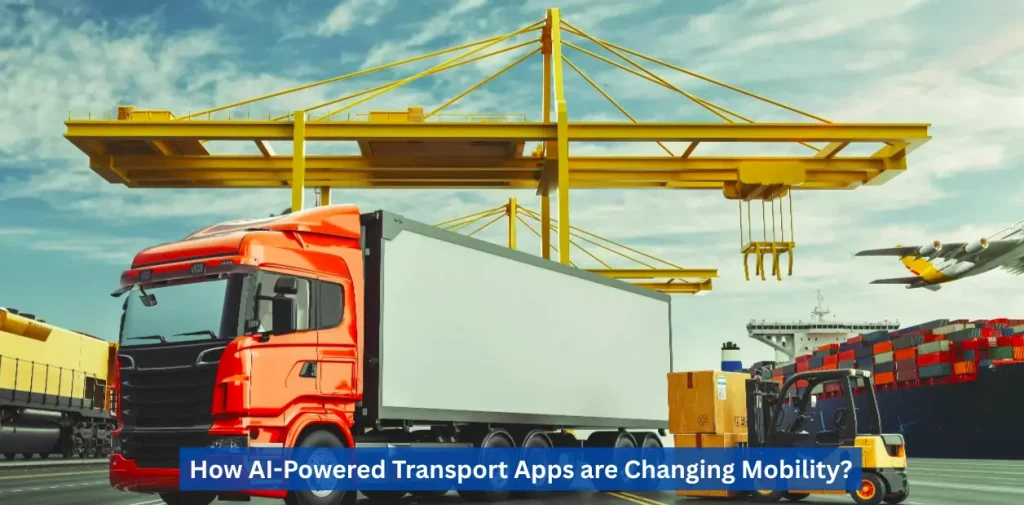
Cities are alive. They pulse, breathe, and shift with the rhythm of human movement. At sunrise, streets fill with commuters, metros hum beneath the surface, buses weave through busy lanes, and bikes dart along quiet side streets. The city awakens like a beating heart, sending energy through every road, intersection, and corridor.
By nightfall, the tempo softens. Traffic eases, streetlights glow, and the city exhales, preparing to rest before the next cycle begins.
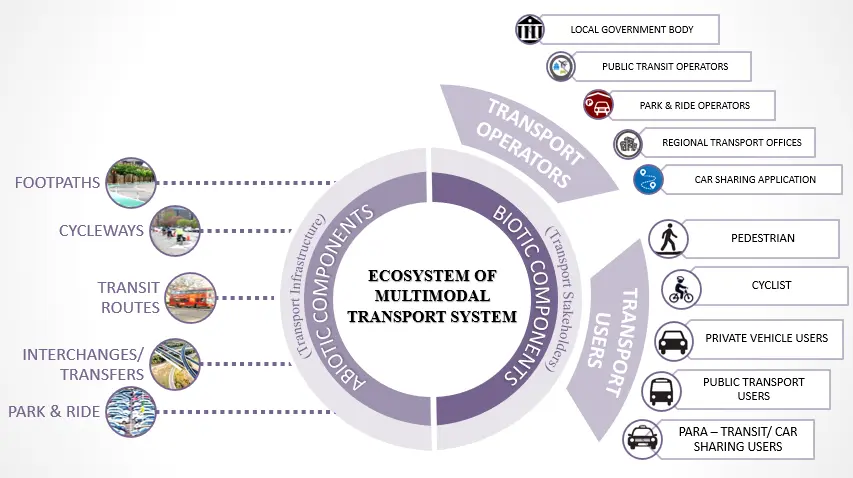
Throughout the day, numerous forms of movement, including buses, trains, bicycles, ride-sharing vehicles, and pedestrians, interweave into a complex, living choreography. Together, they form the city’s circulatory system, transporting people, goods, and ideas through a continuous current.
Every crossing, junction, and station acts like a valve, regulating the flow that keeps the urban heartbeat steady.
Yet this rhythm has long been fractured. Each mode operates independently, guided by its own data and real-time schedules. Congestion mitigation, delays, and inefficiencies are inevitable. Cities have the infrastructure and potential, but without coordination, their true intelligence remains untapped.
This is where AI-powered transport apps become transformative. Leveraging automation into platforms acts as the city’s connective tissue, uniting buses, metros, bikes, ride-shares, and even pedestrian flows into one seamless network.
Imagine the city as a living neural network, every vehicle, station, and commuter sending signals that AI interprets in real time. For the first time, cities move from reacting to predicting. Every car, bus, and train becomes a thinking node, constantly asking:
- Where will congestion form next?
- How can we adjust flows before delays even begin?
AI is changing everything. Intelligent assistants no longer just streamline routes; they help cities evolve alongside the people moving through them.
Founders building these systems aren’t just creating software; they’re designing the city’s cognitive layer, transforming urban mobility into an intelligent travel experience for millions.
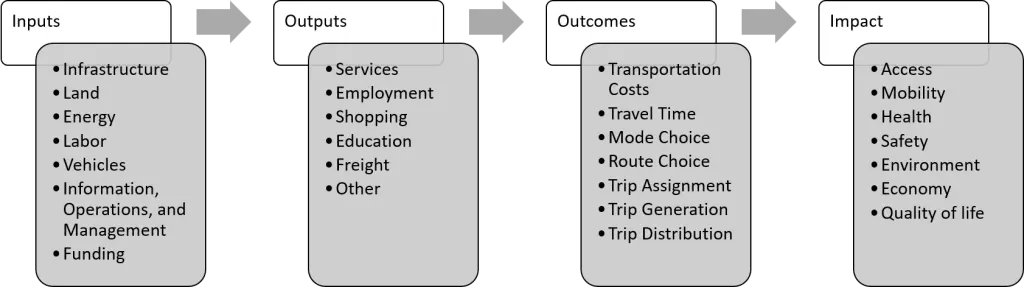
And the numbers prove it. The global AI in transportation market, valued at $3 billion in 2023, is projected to reach $23.11 billion by 2032. Nearly 90% of transportation companies already leverage predictive algorithms, cutting operational costs by 18%, with autonomous systems promising up to 40% more savings.
In this blog, you’ll discover how AI-powered transport apps are creating cities that finally move as one.
How Can AI Understand Our Emotions to Make Travel Smarter?
Traditional transportation planning assumes people are rational and they pick only the quickest, cheapest, or most direct route. But today, founders in 2025 know better: movement is emotional.
We walk when we’re reflective. We drive when we’re impatient. We avoid crowds when we’re anxious. Our daily mobility decisions mirror our psychological state more than our schedule.
Source: https://www.nextias.com/
AI-enabled apps are starting to read this subtle emotional geography. Through data from wearables, smartphone activity, and contextual patterns like time of day or social events, AI can infer mood-based mobility behavior.
Let’s say a system that detects a user’s rising stress levels from smartwatch signals and suggests a calmer, less crowded route. This behavioral intelligence, apart from improving UX, opens entirely new business dimensions.
- Mood-optimized mobility: Platforms could introduce “emotion-based routing modes” — calm, fast, scenic, or social.
- Health-aligned travel: Integration with wellness data could allow your app to recommend the right mix of walking, biking, and public transit to support fitness goals. Similarly, travellers increasingly seek tools that combine smart travel insights with cost-saving opportunities, for example, Traveltweaks offers curated hotel deals and personalized recommendations, making their journey smoother, more efficient, and thoughtfully planned from start to finish.
- Behavioral sustainability: AI could gently nudge users toward greener choices when it predicts openness to change, for example, suggesting a bike instead of a car during good weather and low stress.
This is how AI brings empathy into urban technology. The city starts to understand its people, responding not just to where they go, but why. How to own an AI-powered transport app for your business?
Building an AI-Powered Multi-Modal Transport App: A Step-by-Step Guide
If you’re a founder dreaming of a multi-modal transport app that predicts traffic and enhances the urban travel experience. Here’s how to turn computer vision into reality.
Step 1: Define Your Goals and Users
Every great app starts with a clear purpose. So first, you need to know exactly what problem you’re solving.
Are you trying to make daily commutes less stressful?
Help delivery operators manage routes more efficiently?
Or give city planners tools to understand real-time traffic updates?
And who are you building it for: commuters, cyclists, ride-share drivers, or everyone who moves around the city?
When your goals and target users are clear, then the right development team can translate your vision into features that actually matter.
Step 2: Gather and Integrate Reliable Data
AI is only as good as the data it’s fed. To predict traffic jams, optimize routes, or understand user habits, your app needs information from everywhere: public transit APIs, GPS tracking, ride-share platforms, weather reports, and even pedestrian sensors.
But it’s not just about collecting data but making sense of it. Developers build secure pipelines to bring everything together, clean it, and standardize it so the AI can truly “read the city’s pulse.” The better your data, the smarter your AI, and the more your users will trust its recommendations.
Step 3: Select the Right AI Models and Tools
With data flowing in, the next step is figuring out which AI models actually make sense for your goals. Do you need traffic prediction? Route optimization? Or real-time insights about peak demand?
Developers weigh the quality of the data, system performance, and scale to choose a cloud-based or open-source solution that can handle it all without slowing down. The right AI doesn’t just crunch numbers; it turns raw information into decisions that make life easier for your users.
Step 4: Build Real-Time Processing Capabilities
Here’s where the magic happens. A transport app isn’t smart if it can’t react in the moment. Real-time processing lets your AI analyze traffic instantly, adjust travel times, and suggest alternate routes while people are on the move.
This ai requires a system that scales, handles thousands of users at once, and doesn’t crack under pressure. Imagine a commuter stuck in a sudden jam getting an instant reroute to a faster path. Those seconds saved can turn frustration into delight.
Step 5: Design an Intuitive, Human-Centered Interface
Even the most powerful AI is useless if no one understands it. The interface should feel simple and natural, turning complicated choices like rerouting in traffic or finding the fastest route based on mood or preference into clear, actionable guidance.
Designers and developers collaborate to make maps, alerts, and driver navigation support tools feel familiar and trustworthy. When users intuitively know how to interact with your app, they’ll trust it and come back again and again.
Step 6: Test in Real-World Conditions
No lab can replicate the chaos of a real city. Before launch, your app needs to be stress-tested to reduce traffic jams, sudden road closures, storms, or during peak commuting hours.
Testing in real-world conditions helps reveal what works and what doesn’t. It teaches the AI to adapt, predict better, and stay reliable when things get unpredictable.
If your goal is to make sure your users enjoy a smooth, stress-free experience, no matter what, here are the features you must have.
Key Features of AI-Powered Transport Apps
AI-based multi-modal transit apps integrate a city’s mobility system into a single smart, responsive platform.
Underlying all these apps is real-time route optimization, constantly calculating live traffic, transit real-time alerts, and commuter habits to recommend the quickest, least clogged routes through multiple transport modes, with users able to interchange between buses, bicycles, trains, or shared rides with ease.
Disruption alerts predict delays, unforeseen road closures, or unexpected congestion, making travel proactive instead of reactive.
By bringing every mode of travel together in one smart interface, the app makes getting around feel effortless. No more endless waiting or confusing detours, it learns how you like to move, tailoring routes to your daily rhythm, accessibility needs, and favorite travel times.
Source: https://uta.pressbooks.pub/
As it reads the pulse of the city from crowd movements to traffic flow, it gently steers you toward calmer routes or quieter hours, making every trip smoother and less stressful while easing congestion for everyone.
And with live updates, transfer reminders, and accurate arrival predictions, you’re never left guessing. You move with confidence, fully in sync with the city around you.
Safety and accessibility are also improved with AI by offering well-lit routes, bypassing busy intersections, and pointing out wheelchair-accessible or low-step transportation.
In addition to commuters, the app gives city planners and operators predictive analytics dashboards that expose peak congestion areas, live traffic conditions, and stress points in the infrastructure, enabling smarter deployment of fleets and more effective transit design. But it comes up with some challenges. Keep reading.
Challenges in Implementing AI in Multi-Modal Transport and How to Overcome Them
Using AI in multi-modal transport can make travel smarter, but it’s not without problems. From handling lots of data to connecting different transport systems, there are many challenges to overcome. Knowing these issues helps cities and companies use AI more effectively and make travel smoother and safer.
1. Data Quality & Availability
AI depends on accurate, real-time info from buses, trains, bikes, and sensors. Poor or incomplete data can lead to wrong predictions and delays. Build strong data pipelines, validate inputs, and integrate multiple sources for reliable information.
2. Interoperability Across Transport Modes
Different systems use varied formats and schedules, making seamless travel tricky. Use standardized APIs and frameworks so buses, trains, bikes, and scooters communicate effortlessly.
3. Real-Time Processing & Scalability
Cities move fast, and apps must process live data for thousands of users simultaneously. Use cloud-based, scalable architectures and streaming platforms to handle peak traffic without lag.
4. Ethical & Fair AI
AI can unintentionally favor certain routes or areas, causing bias. Monitor outputs, run fairness checks, and tweak models to ensure equitable recommendations for all users.
5. Privacy & Security
Travel and location data are sensitive. Encrypt, anonymize, and comply with privacy regulations to protect users while maintaining full app functionality.. Get to know AI applications in transportation.
Key AI Applications in Transportation
Artificial intelligence systems are transforming transport into a versatile, responsive, and non-fixed and reactive transport system, and it is revolutionizing it.
An example is traffic management systems. AI can read the heartbeat of the city by analyzing data collected by sensors, cameras, and connected cars, and take measures before the issue emerges. It anticipates traffic, times the lights in the most precise way, and directs vehicles to the least congested routes.
The result? congestion reduction as much as 25 percent, cleaner air, and less straining commutes that almost rhyme like a musical tune.
Autonomous driving vehicles are rapidly beginning to be more than mere machines on the roads; they are beginning to think progressively like experienced drivers.
Self-driving cars, buses, and trucks can scan the surroundings, detect possible hazards, and make immediate decisions that ensure the safety of all people. It is already preventing accidents by 20-30 percent with the help of AI-assisted driving, which proves that smarter machines can also make the road safe.
And of that exasperating search to find a parking space? AI’s got that covered, too. There are smart parking systems that anticipate the availability of parking space and direct the driver to it on the spot.
It implies a reduction of circling, less fuel use, and carbon emissions, which are the result of using what the cities already possess, only with more intelligence.
Source: https://www.cleveroad.com/
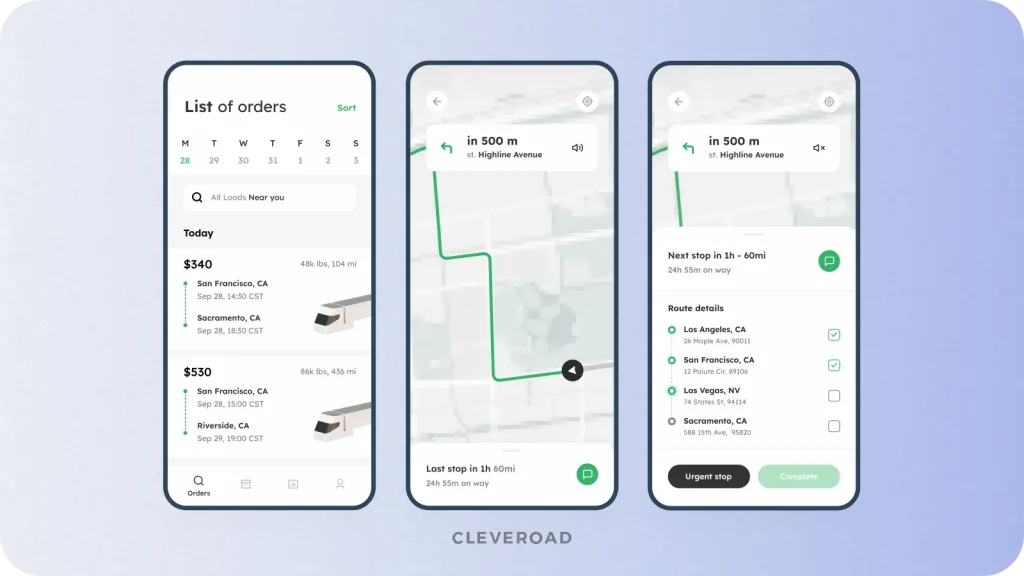
The guessing game is out of the way as far as fleet operators are concerned. AI assistant improves routes, maintains the schedules ahead of any failure, and tracks the performance minute by minute.
The reward is enormous: streamlined transportation and logistics, reduced expenses, and environmentally friendlier operations.
Technology continues to hum in the system even in the background. Automated License Plate Recognition (ALPR) is faster to collect tolls, perform parking enforcement, and provide security without manual errors, and ensures there is no break in traffic.
And on the aspect of ride-sharing, AI introduces an invisible hand of accuracy. It connects riders and drivers in real-time, anticipates demand increases, and identifies the most effective pickup paths, transforming daily commutes into ones that are exceptionally quicker and cleaner, not to mention much less stressful.
The wave has a global impact. Now AI drives more intelligent seaborne shipping, predicts maintenance, optimize travel routes worldwide, and tracks fleets. Ships are safe in their navigation, fuel is conserved, and the supply chain is transported easily. All of this is made possible by the invisible algorithms.
What Powers Every Ride You Take? The Invisible Algorithmic Economy
Transportation networks have always had an economic dimension, but AI-powered transport apps expose the invisible layers most people never see. Every bus delay, e-scooter ride, and shared cab trip creates microeconomic ripples that influence pricing, sustainability, and even infrastructure investment.
AI brings this hidden algorithmic economy to light. It captures the unseen transactions between movement and money the energy consumed by electric fleets, the price elasticity of peak-hour rides, or the correlation between weather patterns and mobility demand.
For founders, understanding this layer is strategic gold. For example:
- Dynamic micro-economies: AI can enable real-time “micro-markets” where pricing adjusts not just by demand but by the eco-value of each trip. A short shared ride in an electric vehicle could be algorithmically priced cheaper than a solo one in a petrol car, rewarding sustainable behavior.
- Invisible partnerships: AI can find underused assets, say, delivery fleets sitting idle after midnight and automatically match them with passenger requests, creating new revenue lines.
- Urban resource intelligence: AI can detect when certain routes consistently overload public transport and nudge private operators to complement capacity in real time.
The founder who masters this invisible economy doesn’t compete on cost; they compete on coordination. Their app becomes an orchestrator of urban flow, not just a service provider for road safety.
More importantly, this economic intelligence lets small startups compete with big players. You don’t need massive fleets if your AI understands where to unlock latent value, unused time, empty vehicles, or overlooked commuter habits. AI-powered transport apps turn every minute on the move into a valuable asset.
AI-Powered Transport Apps That Turn Time into a Tradable Asset
Every commuter knows the value of time, but with AI, time itself can bend to fit our needs. Multi-modal transport has always been unpredictable and can throw off the whole journey.
AI-powered mobility platforms are changing that by creating a “temporal web,” where vehicles, users, and infrastructure share time as a flexible resource.
If a train runs six minutes late, the system adjusts everything, shuttles, bike hubs, even EV pickup, so your trip stays smooth, without slowing everyone else down. It’s time itself thinking ahead for you.
For founders, this opens up a whole new way to create value. Time can become a tradable asset: early departures, flexible arrivals, or shared rides could earn users credits, while AI predicts reliability in the system.
Imagine offering guaranteed punctuality or “time insurance” that makes up for delays. By treating time as a living resource rather than a number on a clock, transport becomes more than logistics. To achieve this, AI in mobility must learn the language of trust, ensuring users believe in every promise it makes
Why AI in Mobility Must Learn the Language of Trust
As AI drives innovation in transportation, one challenge quietly rises above all others: trust. It’s not enough for AI to be correct; it has to feel right.
When a mobility app reroutes a user suddenly, raises a fare mid-trip, or suggests a different mode, the logic may be sound, but if it feels opaque or unfair, users lose faith. This erosion of algorithmic trust is one of the biggest hidden threats to AI-driven systems.
Founders must therefore master not just artificial intelligence technology, but artificial empathy. This means building systems that explain themselves: “We’ve rerouted you to avoid a predicted 8-minute delay due to roadworks,” or “Your fare is slightly higher because availability is low in your area, we’ll offer a discount next time.”
These small explanations turn machines from unseen managers into trusted partners. AI can even adapt its communication style to the user, concise for busy professionals, visual for commuters, or detailed for analysts.
For founders, explainability itself is an economic advantage. Over time, trust compounds, converting occasional riders into loyal ecosystem advocates. A perfect example of this is Rolls-Royce’s AI-powered autonomous ships, where decision-making speed meets transparent, trustworthy explanations.
Use Case: Rolls-Royce’s AI-Powered Autonomous Ships
The ocean has always been full of surprises. Even the strongest ships can face storms, equipment failures, or human errors, making every journey unpredictable.
Rolls-Royce is tackling this challenge with AI-powered autonomous ships that don’t just follow orders, but think, adapt, and learn from every trip.
These ships use AI to “see” everything around them, analyzing radar, sonar, cameras, and satellite data. This lets them spot hazards, changing weather, or obstacles in real time and adjust their course safely.
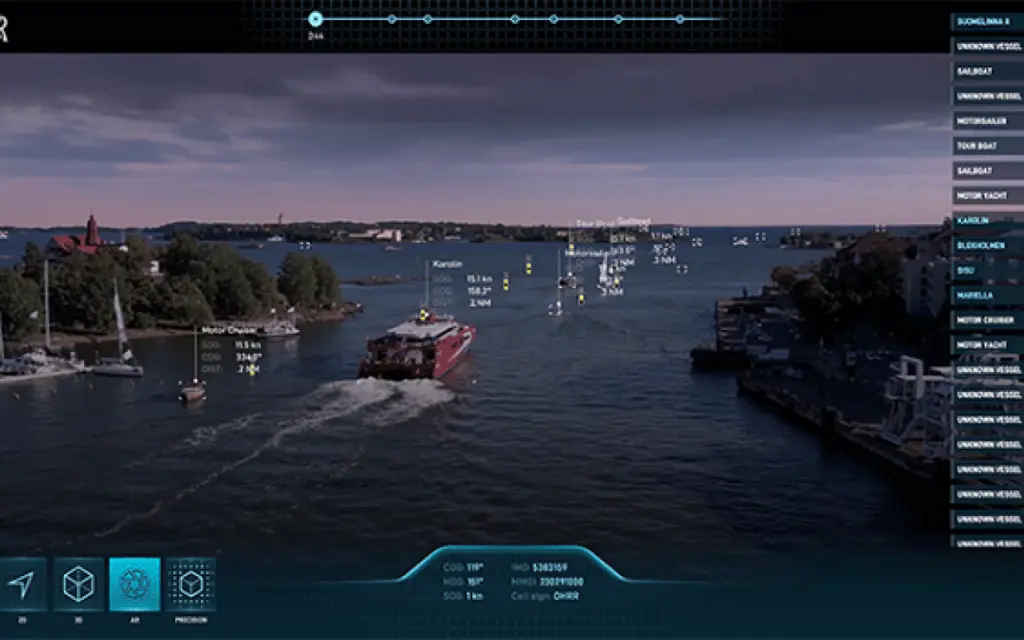
Source: https://www.porttechnology.org/
Predictive maintenance watches over engines and other critical systems, fixing small problems before they become serious, which saves fuel, time, and reduces delays.
Efficiency and sustainability are also improved. AI plans smarter routes that use less fuel and produce fewer emissions, helping protect the oceans.
Every ship also shares what it learns with others, creating a network of intelligent vessels that adapt together and improve overall safety and reliability.
Rolls-Royce’s AI ships show how combining human maritime knowledge with intelligent technology can make shipping safer, cleaner, and more efficient. This is more than automation; it’s a smarter, connected way to travel the oceans.
Partner with Appkodes
The future of AI-enabled transportation is smarter, safer, and more connected, and Appkodes a leading startup mobile app development company, can help you lead that change.
With expertise in AI-enabled app development, we design intelligent mobile applications that redefine the commuting experience.
Our solutions use virtual assistants and natural language technology, AI code suggestions to help users plan their trips effortlessly through voice or text.
From efficient route planning to real-time alerts about construction zones and construction areas, every journey becomes smoother and more predictable.
Appkodes also helps integrate advanced AI-powered driving features such as lane departure warnings, adaptive cruise control, and automatic emergency braking, all designed to enhance driver safety and reduce the risk of emergency situations.
By partnering with Appkodes, you gain a trusted technology partner committed to innovation and seamless multi-modal transportation. Together, we can build a smarter mobility ecosystem where data, AI, and real-time insights work in harmony to make travel more efficient, safe, and sustainable.

Arun Andiselvam
Founder of AppKodes. As a serial entrepreneur, I have successfully established five brands over the past 12 years. After creating a successful rank tracker for SEO agencies, I am currently dedicated to developing the world's first SEO Project Management software.