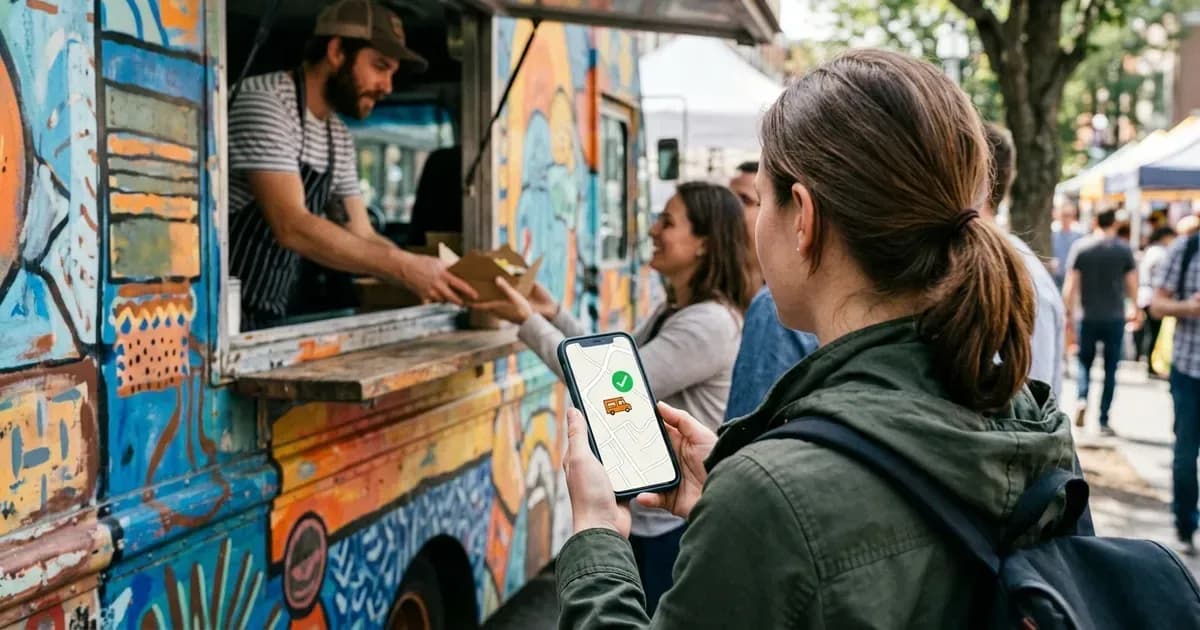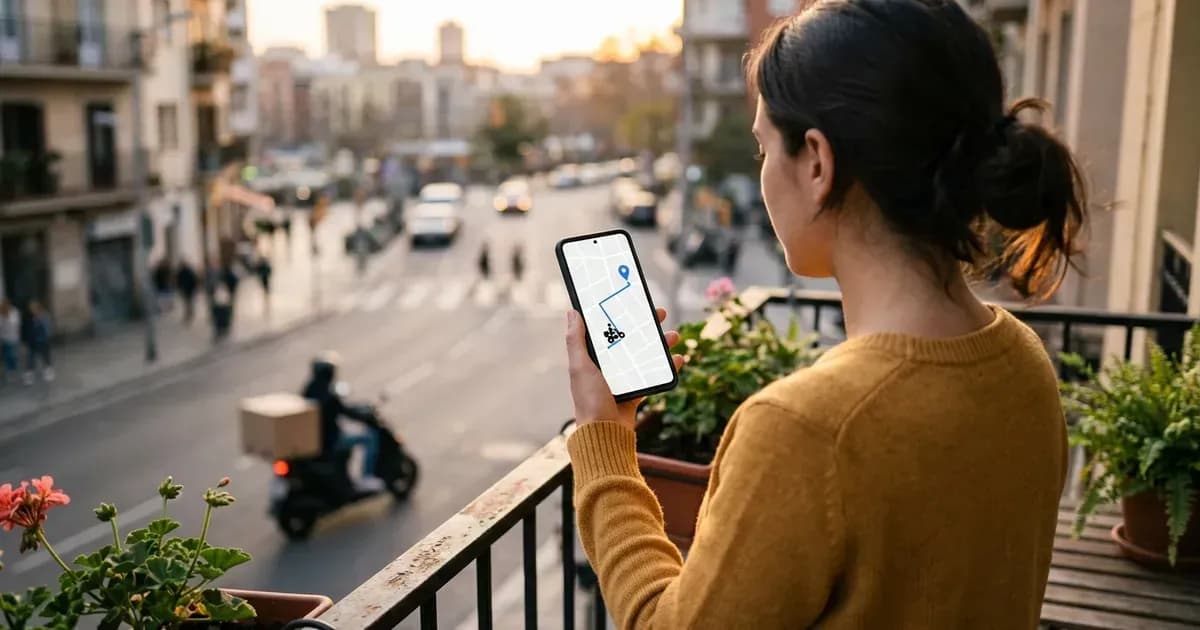
Why do you want to know how to make an app like doordash? Do you think that would help? Let’s pause and reflect. Sure, DoorDash, the food delivery giant, is worth about $77 billion on the stock market. So, the on-demand food delivery market requires innovation because of its dominance. However, is there a way to replicate it? Likely not. Why? Even leaders in the food delivery industry have holes, and doordash is no exception.
Think about what users still miss: more personal recommendations, greener delivery, and fairer fees. These aren’t just complaints; they’re opportunities. Opportunities for forward-thinking entrepreneurs like you to create something not just competitive but revolutionary.
In 2026, the food delivery landscape is not all about getting meals to customers but innovation, precision, and added value. Don’t replicate; innovate. Make a food delivery app business that addresses what doordash lacks and delivers what today’s customers truly want.
This guide will walk you through every step and help you stand out from other leading food delivery app development company. From understanding the costs and technology stack to exploring monetization strategies, essential features, and unique considerations for founders, you’ll gain the insights needed to develop a market-ready solution
Let’s get started on developing an app like doordash that doesn’t just replicate the popular giant app’s success but redefines it.
What is DoorDash? A Game-Changer in Food Delivery
If you’ve ever thought about how to create a delivery app, doordash must have been at the top of your inspiration list. doordash is a food delivery app with headquarters located in San Francisco, California. But what exactly makes doordash such a trailblazer? What about its monetization strategies? Let’s break it down.
The Mission Behind DoorDash
DoorDash started with a simple but powerful mission to empower local businesses to connect customers to the best that cities have on offer. Their goal wasn’t simply to deliver food; their goal was to give such opportunities to small businesses and gig workers while also saving time for customers.
How Does DoorDash Work?
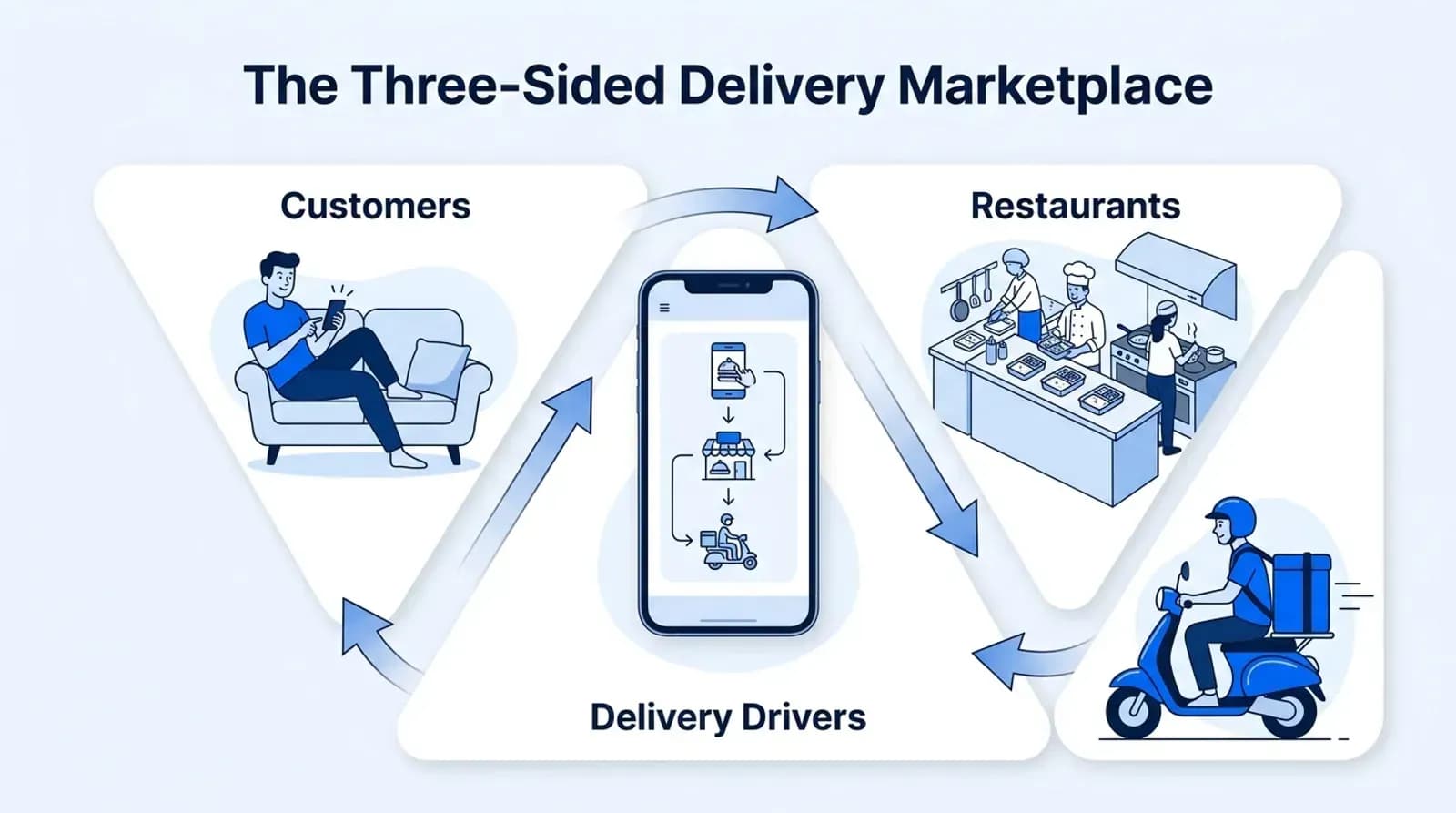
Doordash’s on demand delivery business model is a classic example of the three-sided marketplace. Learn from it below,
Customers who order food through an easy-to-use app.
Restaurants that partner with doordash to expand their reach and boost sales.
Dashers (Delivery Drivers) who earn money by delivering orders.
With this streamlined food delivery system, doordash has positioned itself as a win-win for everyone involved.
A Brief Success Story
In 2013, four Stanford students—Tony Xu, Stanley Tang, Andy Fang, and Evan Moore—started doordash with a simple vision and a small delivery zone in Palo Alto. Fast forward to today: after buying Wolt and Deliveroo, DoorDash operates in more than 40 countries, including much of Europe, Canada, Australia, and New Zealand, and it has become a household name.
Their success? A mix of relentless focus on user experience, strategic partnerships, and data-driven insights. They’ve pioneered features like contactless delivery and dynamic pricing to keep their platform ahead of the curve.
Key Statistics That Define DoorDash’s Impact
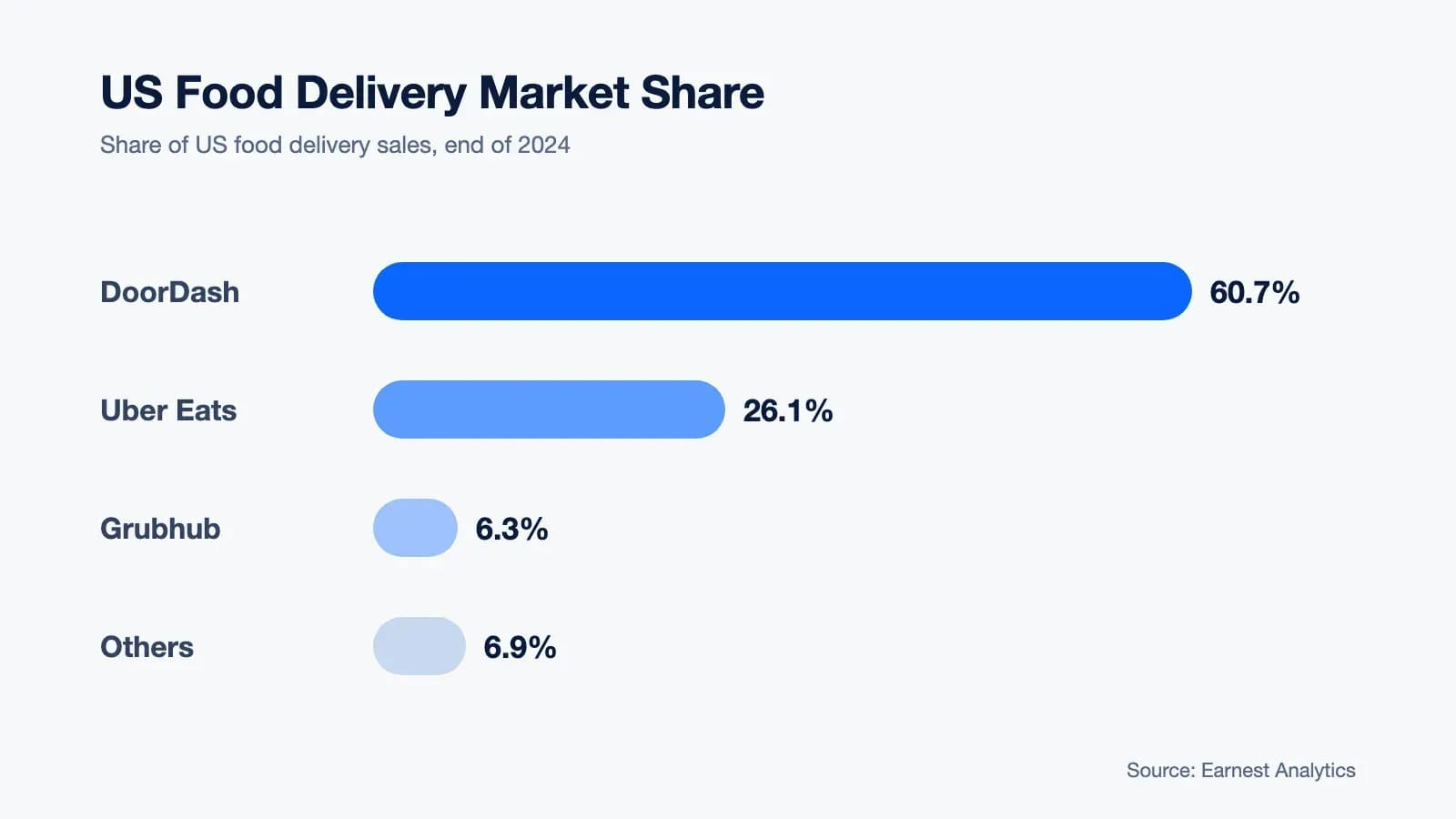
DoorDash held 60.7% of US food delivery sales at the end of 2024, well ahead of Uber Eats at 26.1%, according to Earnest Analytics.
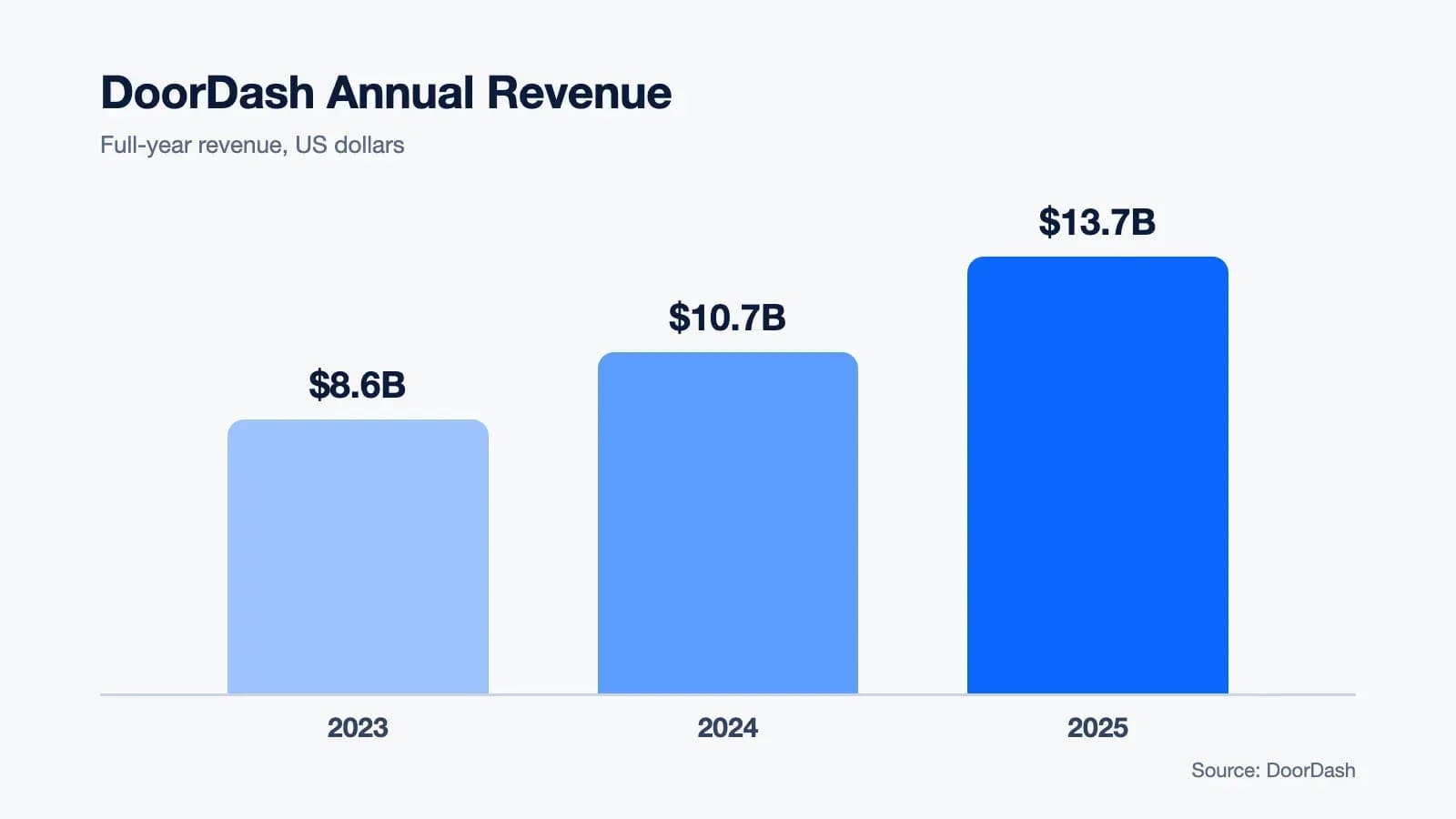
In 2025, DoorDash generated $13.7 billion in revenue, up from $8.6 billion in 2023, a testament to its dominance.
DoorDash has captured the hearts and filled the stomachs of millions, ending 2025 with more than 56 million monthly active users.
Shaping the Food Delivery Industry
DoorDash has not only been a part of the food delivery revolution but has led it. By introducing innovations such as subscription models (DashPass) and optimizing delivery logistics with AI-driven insights, doordash has set new standards. It is not just a delivery platform; it is an ecosystem that supports local businesses and drives customer loyalty.
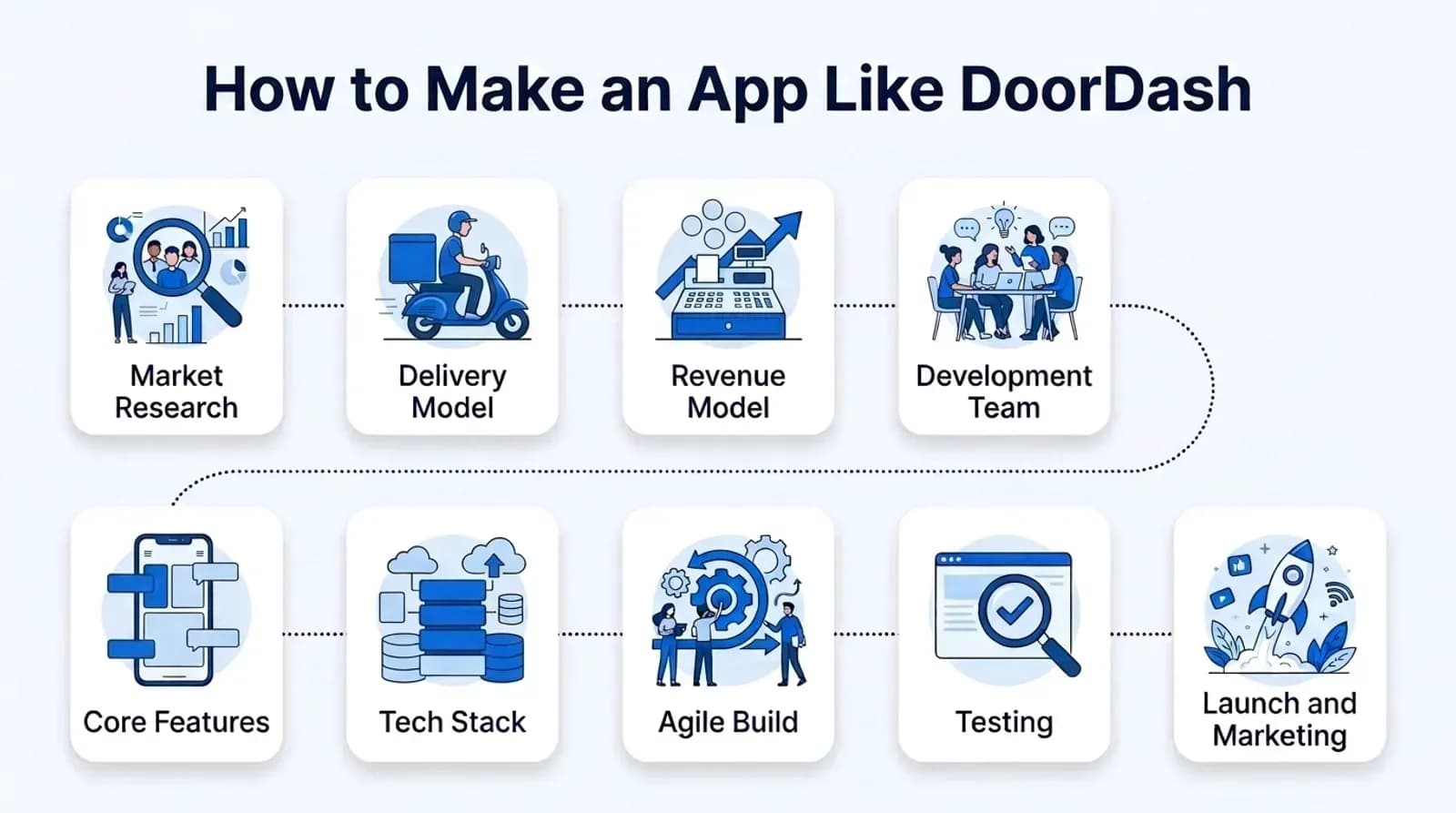
How to Make an App Like DoorDash in 9 Steps?
Making a food delivery app like doordash is not a small task, but with the right strategy, you can create an innovative solution. This lets you stand out in the competitive food delivery market. Let’s dive into the nine essential steps to turn your idea into a thriving business.
Step 1: Research and Analyze the Market to Identify Your Niche and Competitors
Before jumping into development, Take time for extensive market research and understand the food delivery market. Ask yourself these questions,
Who are your competitors, and what do they excel at?
What gaps can your app fill in terms of features or customer experience?
DoorDash has analyzed the potential of suburban markets in its initial stages. It kept away from urban areas that have high levels of competition. This unique position helped them pick up before spreading out.
Therefore, as a founder, you have to understand customer pain points through surveys. You can make use of tools like Statista or Google Trends to track food delivery trends.
Step 2: Choose a Food Delivery Model
Your app’s business model will shape how it operates and generates revenue. The primary models include the following,
Order-Only: Your app connects users with their favorite restaurants for pickup (e.g., ChowNow).
Order-and-Delivery: Your app handles orders and deliveries (e.g., DoorDash).
Restaurant-Specific: Focuses on a single restaurant or chain (e.g., Domino’s, which runs its own app and also lists on DoorDash and Uber Eats).
Key Tip: If you’re starting small, begin with an order-only model to lower initial costs. Gradually scale to include delivery logistics.
Step 3: Select a Monetization Model
Determine how your food delivery mobile app will make money. Popular options like,
The commission-based DoorDash business model charges restaurants a percentage of each order (DoorDash charges 15%, 25%, or 30% depending on the plan).
Subscription plans often offer premium memberships for benefits like free delivery (e.g., DashPass).
Advertising fees allow restaurants to promote themselves on your platform.
Surge pricing helps to increase delivery fees during high-demand periods.
I would like to remind you that doordash’s DashPass contributed to its revenue for your business growth, showing the potential of recurring income streams.
Step 4: Find the Right Development Team
The success of your app hinges on choosing a skilled and reliable development team. Your options include,
An in-house team gives you long-term control but comes at a high cost.
Freelancers are budget-friendly but can be harder to coordinate.
Outsourcing to an experienced agency often costs less and gives you a full team of professionals.
So, based on my experience, I would advise you to consider teams with experience in on demand delivery apps. You can find them on platforms like Clutch and Upwork.
Step 5: Define the Essential Features
Your app’s features should align with the needs of your target audience. Those features can include,
A user-friendly interface simplifies the navigation for effortless ordering.
Live tracking improves engagement by allowing users to track orders in real time.
Personalized recommendation using AI helps your app suggest dishes based on user preferences.
Multiple payment integration supports payment through credit cards, wallets, mobile payment interfaces, and cash on delivery.
Customer Support can be enhanced through chatbots or live support for quick issue resolution.
Step 6: Decide on the Technology Stack
Your app’s performance and scalability depend on the right technology stack.
Frontend: React Native, Flutter for cross-platform apps.
Backend: Node.js, Ruby on Rails for robust server-side development.
Database: PostgreSQL, MongoDB for efficient data management.
Cloud Services: AWS or Google Cloud for hosting and scalability.
Real-Life Note: DoorDash uses machine learning to predict delivery times, optimize routes, and personalize suggestions.
Step 7: Adopt Agile Development
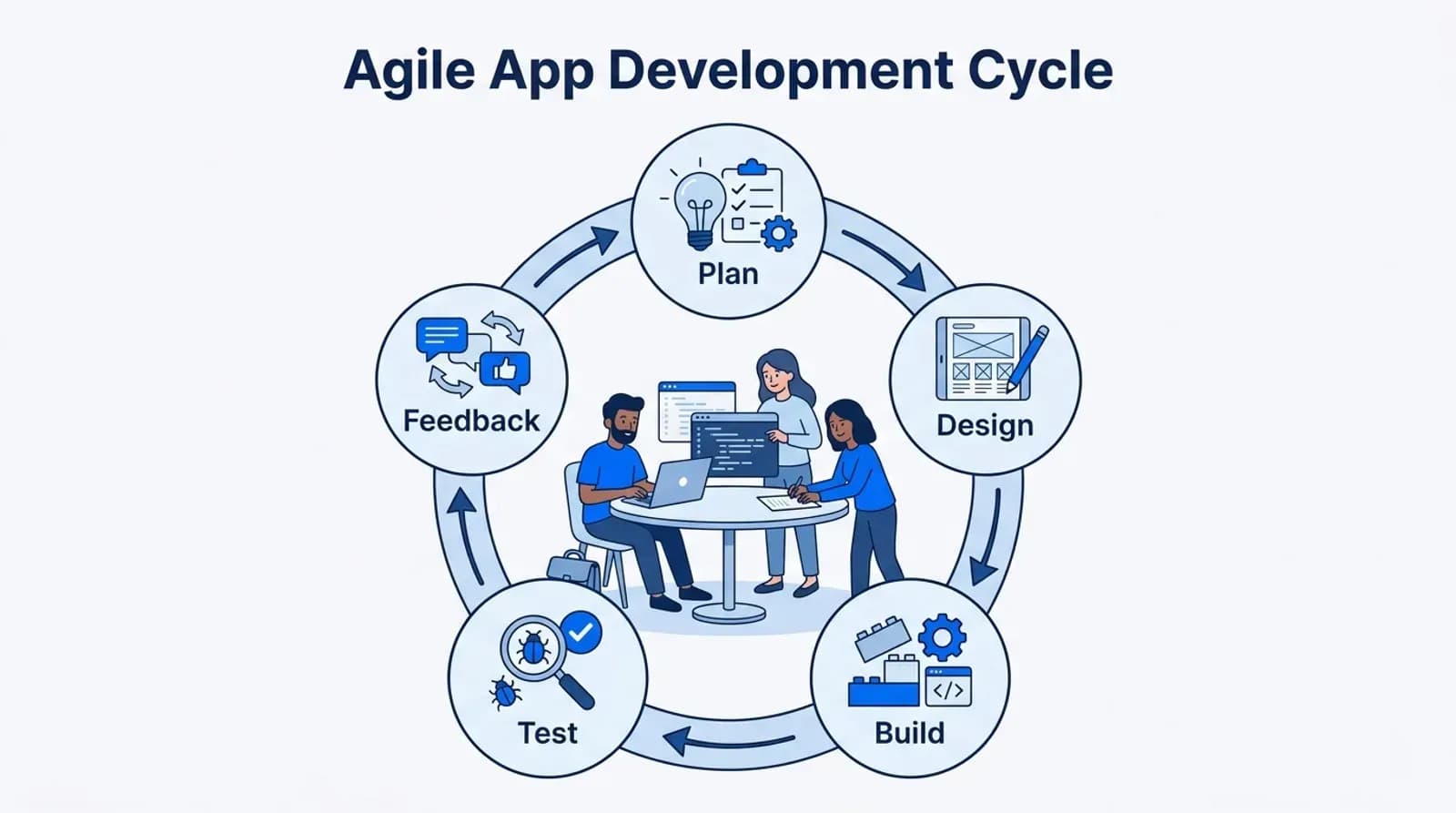
Use the Agile Methodology to break the development process into smaller, manageable sprints.
Focus on making a Minimum Viable Product (MVP) first.
Continuously test, gather feedback, and improve.
Now here you may wonder why Agile works. It allows you to adapt to changes in customer preferences or market trends without derailing the project timeline.
Step 8: Test Your App Like DoorDash
Testing ensures your app is bug-free and user-friendly.
Functional Testing makes sure all features work as intended.
Performance Testing confirms if your app can handle high traffic seamlessly.
Security Testing protects user data and payments from breaches.
Do you know? Even the biggest delivery apps have faced backlash for glitches during major events. So, it’s always advisable to avoid such scenarios with thorough pre-launch testing, and an experienced development team will build it into the plan.
Step 9: Post-Launch Support and Marketing
Your work doesn’t end at launch. Yes, you read it right, ongoing support and promotion are critical.
Regular updates are much needed to fix bugs, add features, and optimize performance.
Marketing strategies that leverage social media, look for influencer partnerships, and plan email campaigns, play a vital role in attracting users.
User feedback collected from reviews helps you to improve your app’s functionality.
Now consider DoorDash’s “We Get Groceries” campaign. Its 2023 Super Bowl ad with chefs Matty Matheson and Tiny Chef promoted its grocery delivery service and boosted user engagement.
With this roadmap, you can create a food delivery app that rivals industry giants like DoorDash. The key is to understand your audience, innovate with features, and continuously adapt to market trends. So, are you ready to take the first step in reshaping the food delivery landscape? Before that, what makes making an app like DoorDash so special?
Why Develop a Food Delivery App Like DoorDash?
Food delivery apps like DoorDash have changed the game. It changed how businesses interact with customers and provided opportunities for founders and entrepreneurs. So, what makes this niche attractive in 2026? Let’s dive into the key factors that drive the success of DoorDash’s business model.
Market Demand: The Ever-Growing Trend of On-Demand Delivery Services
The on-demand economy in the food delivery industry is continuously growing.
Why? Well, it’s because your users now value convenience more than anything. They want things done without stepping out of their comfort zone. Grand View Research expects the global online food delivery market to grow from $288.8 billion in 2024 to $505.5 billion by 2030, about 9.4% a year. The need for on-demand food delivery isn’t going away.
Doordash started to make use of this trend since the pandemic when dining out was restricted. This way it has become a lifeline for businesses and users.
Here you need to understand that user demand is not limited to meals. Yes, it extends to groceries, pharmacy items, and specialty products. And, doordash met them. If your food delivery app has additional offerings, you can be the one-stop solution leading the food delivery space.
Benefits for Businesses: Expanding Customer Reach and Restaurant Partnerships
DoorDash acts as a bridge between restaurants and customers by,
Increasing visibility for small businesses that might struggle to attract foot traffic. With an app like doordash they can showcase their menus to millions of users.
Effortless operations like handling logistics sorted out. Now restaurants can focus on their core business—cooking great food.
For example, a local pizza shop that partners with a delivery app can start receiving orders from customers across a much wider radius, thanks to improved online visibility.
And this means, your app can stand out by meeting underrated cuisines or emerging food trends, such as vegan or farm-to-table offerings, to carve out a unique niche.
Profitability Potential: Revenue Models that Drive Millions
The DoorDash revenue model is the perfect marriage of simplicity and profitability:
The commission-based model charges restaurants 15–30% per order, depending on their plan.
The delivery and service fees users pay vary by store, distance, and order size, and DashPass members get $0 delivery fees on eligible orders.
The subscription model with “DashPass,” which makes users pay for free deliveries makes it a monthly recurring revenue source.
Advertisement means restaurants have to pay for higher-up placement on the app, therefore increasing visibility as well as DoorDash’s revenues.
The three-sided business model of DoorDash connects three parties: users, restaurants, and delivery personnel referred to as Dashers. The result is an incredibly robust ecosystem that balances supply, demand, and fulfillment harmoniously.
So, you have to consider creating a food delivery app with differentiated revenue streams like catering or being a partner for event planners. This can make sure that your app like doordash has diverse streams of income.
Marketing Trends: DoorDash’s Use of Social Proof, Influencer Marketing, and AI
DoorDash has mastered the art of marketing, leveraging modern strategies to stay ahead:
Positive customer reviews and high ratings build trust and attract new users. For instance, seeing a “Top Rated” tag on a restaurant encourages customers to order.
DoorDash collaborates with food bloggers and local influencers to promote its customer services, tapping into niche audiences.
Using AI-powered recommendations, DoorDash curates personalized food suggestions, increasing user engagement and boosting order values.
For its 2023 Super Bowl ad, DoorDash brought in celebrity chefs to promote its grocery delivery.
So, you should never underestimate the power of hyper-local marketing. Partner with community leaders or highlight user-generated content to amplify your brand’s reach.
What Makes DoorDash’s Business Model So Successful?
DoorDash’s success is because of constant innovation and user-centric services
It has features like live tracking and schedule orders and gets them delivered in advance. These are expected future of the modern users’ who are after flexibility.
Right from feedback forms to email support, the app focuses on making its users feel heard, and building loyalty.
With more than 7,000 cities in the US alone and operations in over 40 countries, the app is now a global force. It keeps growing, too: DoorDash bought Deliveroo for £2.9 billion in 2025, added restaurant reservations by buying SevenRooms, and launched Dot, its own delivery robot.
What Can You Learn from DoorDash?
The story of doordash is a testament to the power of foresight, innovation, and customer focus. For aspiring founders, it’s an inspiration. At the same time, it is also a reminder to think beyond replication.
With a market that’s dynamic, how will your app stand out? It’s still possible if you emphasize sustainability, cater to niche cuisines, or offer unmatched delivery speed. Whatever your unique selling point, the time to act is now. Ready to redefine food delivery? Then, scroll down for all the must-haves of your app like DoorDash.
Features You Need in a Food Delivery App Like DoorDash in 2026
Making a food delivery app in 2026 is about understanding user needs and exceeding their expectations. As a founder, your goal is to create a seamless experience for customers, restaurants, delivery personnel, and admins. Here’s what your app must include to stay competitive.
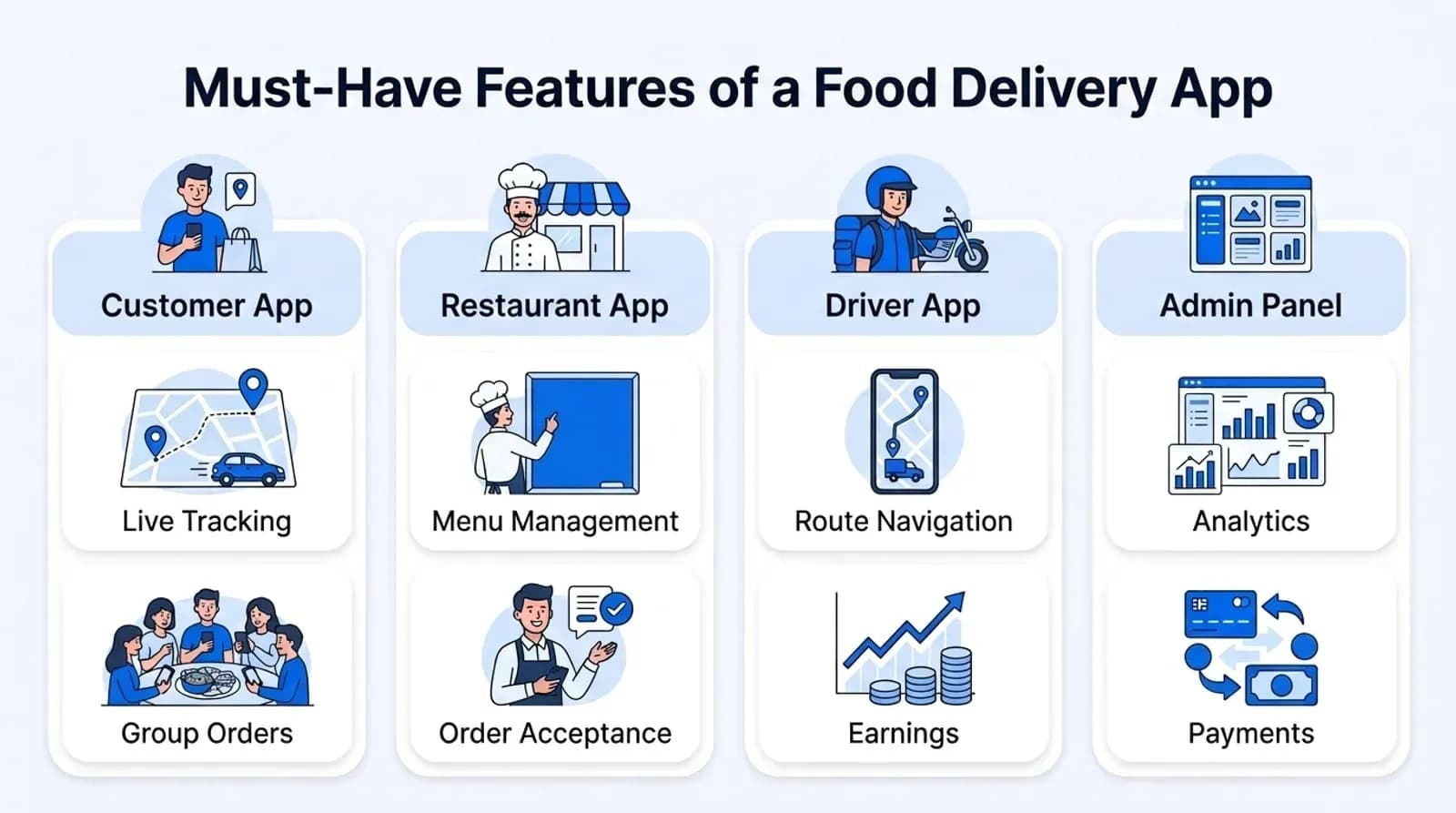
Customer App Features: Enhancing Convenience and Engagement
Customer expectations are very simple, simplicity, and personalization. Here are the features that will keep them loyal:
Speed orders and scheduled delivery. It will allow users to place an order for immediate dispensation or pre-portion meals as they may have hectic schedules.
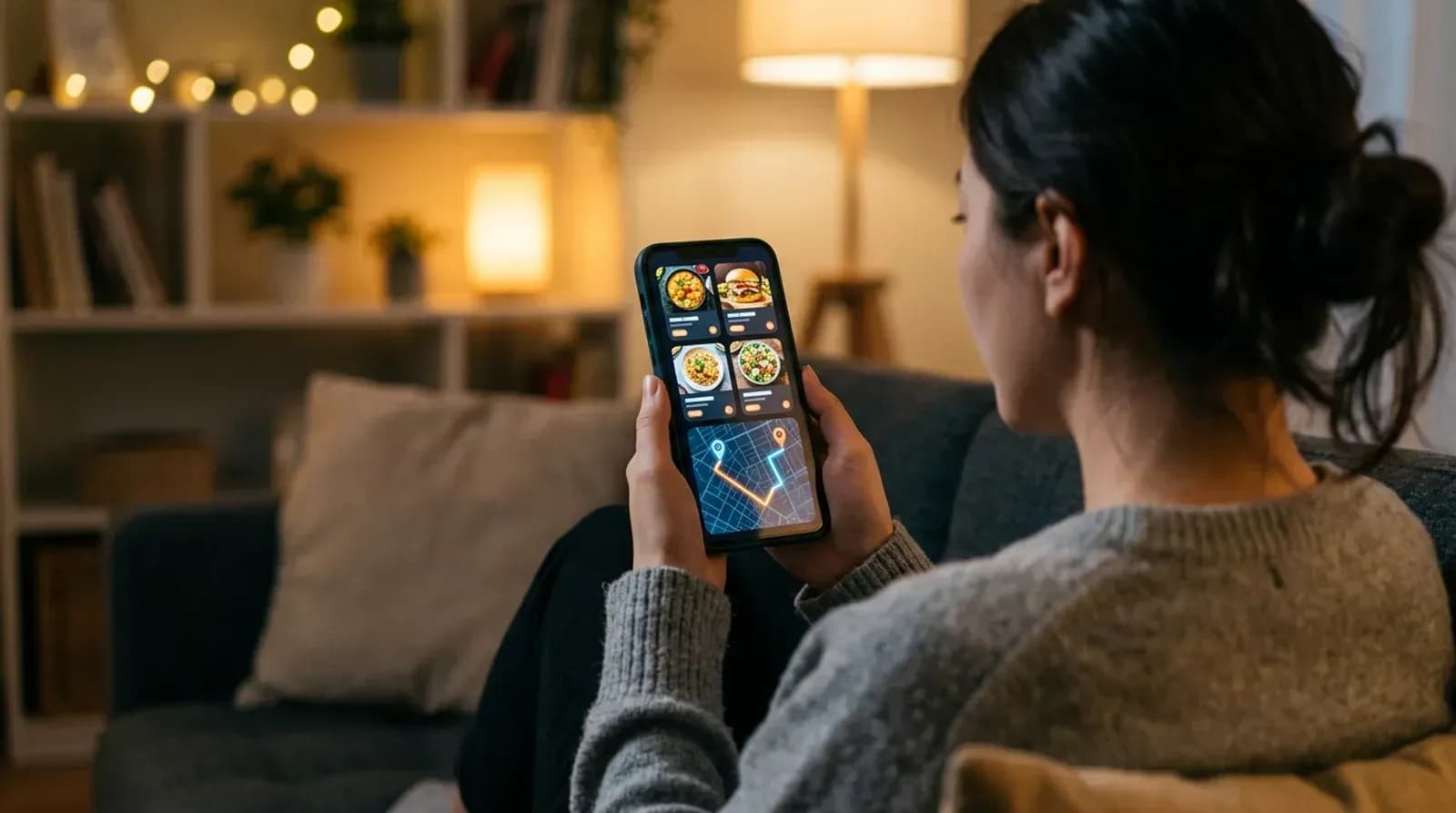
Live updates of the order journey through real-time order tracking. This will ensure transparency and excitement during the process.
With a seamless multi-payment gateway, it provides secure payment options that include wallet, credit card, and UPI payments.
The easy group ordering and bill splitting help groups order together and split costs. This feature is most popular among families, colleagues, and friends.
24/7 support means being available for queries at all times. AI-driven chatbots can handle any query, resulting in improved user satisfaction.
Restaurant App Features: Empowering Business Partners
Restaurants are key stakeholders in your app. Make them comfortable with tools that simplify operations:
Menu management in real-time and order acceptance effortlessly are must-haves.
Tracking delivery personnel and responding to reviews helps to retain customers and maintain quality.
Discount and reward management allows restaurants to create special deals and loyalty programs directly within the app.
Delivery Personnel App Features: Streamlining the Workforce
For delivery drivers, efficiency and support are the most important. So include these features,
Order acceptance/rejection features provide delivery partners the freedom to choose deliveries based on location and availability.
Delivery routes with real-time updates and fleet management ensure timely deliveries.
Easing communication options between doordash drivers, customers, and restaurants let you handle special requests or issues like a pro.
Admin Portal Features: Your Command Center
As the app’s administrator, you’ll need robust tools to oversee the ecosystem.
Restaurant and Delivery Executive Management would demand you to manage onboarding, performance, and troubleshooting.
Analytics and Payment Gateway Management shall make use of data-driven insights to optimize operations and ensure secure financial transactions.
DoorDash’s Popularity and Marketing Trends
To craft a successful app, it’s very important to understand why DoorDash thrives and what trends are shaping the industry.
Key Drivers of DoorDash’s Success
Customer-centric features like live tracking and AI-powered recommendations.
Partnerships with top Restaurants to increase brand credibility and customer loyalty.
Adaptation to trends like contactless delivery to eco-friendly practices, helps the app stay ahead by meeting evolving consumer expectations.
Current Marketing Trends to Follow
AI-driven personalization for meeting user experiences with preferences analysis and personalized suggestions.
User-generated content & influencer partnerships multiply trust using authentic reviews and endorsements.
Hyperlocal advertising has the maximum potential impact if targeted toward specific neighborhoods and communities.
Always stay up-to-date with a data-driven strategy for campaign optimization.
What is the Technology Stack to Make an App Like DoorDash?
Making an app like doordash would require a sturdy, scalable, and secure technology stack that will handle high volumes of data, ensure smooth user experiences, and safeguard sensitive information. As an aspiring founder or business person, choosing the right tools and platforms to create a seamless and efficient food delivery service is crucial.
Building the Backbone of Your App
You will need to make strategic choices about frontend technologies, backend frameworks, APIs, cloud services, and security protocols to ensure your app is fast, secure, and capable of scaling with demand. Here’s an in-depth look at the technology stack you should consider
Frontend Technologies: The User Interface (UI)
Your customer, restaurant, and the apps must have smooth, intuitive interfaces that ensure a seamless delivery process. Here’s what you’ll need.
| Technology | Purpose | Why Choose It |
|---|---|---|
| React Native | Cross-platform mobile development | Create native-like apps for both iOS and Android with one codebase. |
| Flutter | UI development for both iOS & Android | Faster development, rich in design, and smooth animations |
| Vue.js / Angular | Web-based front-end development | Scalable, flexible, and rich in interactive components. |
Key Considerations
Cross-platform compatibility is crucial as it saves both time and resources, allowing you to simultaneously release your app for iOS and Android.
Choose a framework that offers flexibility, speed, and ease of use for continuous updates and feature additions.
Backend Technologies: The Engine Behind the Scenes
The backend powers your app’s functionality and ensures seamless user experiences. Here’s what your app’s backend should include,
| Technology | Purpose | Why Choose It |
|---|---|---|
| Node.js | Backend framework for server-side logic | High performance, scalability, and flexibility with JavaScript. |
| Express.js | Web framework for Node.js | Simplifies routing and handling requests. |
| Python (Django/Flask) | Backend framework for server-side logic | Easy to scale, secure, and great for data-driven applications. |
| Ruby on Rails | Backend framework | Quick development cycle, ideal for startups looking for fast deployment. |
Key Considerations
Your backend should be built with scalability in mind, ensuring that it can handle peak traffic periods, like family dinner rush hours or holiday seasons.
Security is paramount for managing sensitive user data and transactions.
APIs: Real-Time Tracking & Payments
The proper APIs are integrated to provide real-time updates, secure payments, and map or geolocation tracking. Here’s what you need.
Key Considerations
Real-time tracking is essential for both customers and delivery personnel to monitor the order status.
Payment processing must be secure and easy for users to complete transactions quickly.
| Technology | Purpose | Why Choose It |
|---|---|---|
| Google Maps API | Real-time order tracking | Offers real-time location tracking, accurate maps, and routing. |
| Stripe | Payment gateway | Provides secure, seamless payment transactions and multi-currency support. |
| PayPal API | Payment processing | Trusted by users worldwide for secure payments. |
| Twilio API | Messaging and communication | Essential for SMS notifications, delivery alerts, and customer support. |
Cloud Services: Scalability & Performance
To handle fluctuating demand, especially during busy times like weekends or holidays, you’ll need cloud services to scale your app effectively.
| Technology | Purpose | Why Choose It |
|---|---|---|
| AWS (Amazon Web Services) | Scalable cloud infrastructure | Offers powerful tools for scalability, storage, and database management. |
| Google Cloud Platform | Scalable cloud infrastructure | Reliable and cost-effective, especially for high-performance mobile apps. |
| Microsoft Azure | Cloud computing services | Flexible and comprehensive services with strong data security features. |
Key Considerations
Cloud services help ensure your app stays online and performs well under high traffic loads.
Choose a cloud provider that offers both reliable uptime and data security.
Security Protocols: Safeguarding Your Users’ Data
The more sensitive the information is, the stronger the security protocols should be. This ensures that privacy is maintained and protects data integrity.
| Technology | Purpose | Why Choose It |
|---|---|---|
| SSL Encryption | Data encryption | Ensures all communication between the app and servers is secure. |
| Two-Factor Authentication | Enhanced security for logins | Adds an extra layer of security by requiring both a password and a code. |
| OAuth | Secure authorization | Protects user credentials and prevents unauthorized access. |
| Data Privacy Regulations (GDPR, CCPA) | Compliance | Ensures your app follows privacy laws, fostering trust among users. |
Key Considerations
It will protect sensitive user information with encryption and two-factor authentication.
You should be in compliance with all data privacy regulations in the world so that you are out of trouble, and the trust of users can be maintained.
Now that you’ve seen the essential tech stack for a food delivery app like DoorDash, remember that making your app is an excellent chance to innovate. It’s not just about copying existing features or making them visually appealing but it’s about improving upon them and creating a user experience that stands out.
The future of food delivery apps in 2026 is built on innovation, scalability, and security. Be sure to pick the right tech stack for your business that grows with it and keep up with emerging trends for furthering capabilities.
Therefore, what is next? You’re a budding business owner. How do you use these tools to change the game for the food delivery industry? It is not only about making apps like uber eats by integrating the mentioned features and strategies. You can now carve out your path into the ever-evolving food delivery industry by fusing customer insights, advanced technology, and creative marketing. What do you have in store for them?
How Much Does It Cost to Develop an App Like DoorDash?
Creating an app like DoorDash isn’t just coding and launching but rather an investment requiring careful financial planning. An aspiring founder or businessperson would like to know how much a project costs so they can better prepare for the journey ahead. So, let’s take a closer look at key cost components and what you should expect at each stage of development.
Design, Development, and Testing: The Core of Your App
The aspect of your food delivery app involves designing the interface, developing a meal delivery app’s features, and thorough testing to ensure everything works seamlessly. Here’s how the costs break down.
| Aspect | Description | Cost Range |
|---|---|---|
| UI/UX Design | Wireframes, visual design, and prototypes for the customer, restaurant, and driver apps. | $5,000 – $15,000 |
| App Development | Coding for frontend and backend, database setup, real-time tracking, payment gateways. | $30,000 – $120,000 (depends on features) |
| Backend Development | Server-side programming, APIs integration (Google Maps, payment gateways, etc.). | $20,000 – $70,000 |
| Quality Assurance (Testing) | Extensive testing across devices for bugs, functionality, performance, and security. | $5,000 – $15,000 |
Key Considerations
The cost can also depend on how complicated the user interface is. A nice, custom design with advanced features could be costlier than a simple layout.
The more features you want to include (real-time tracking, live chat, payment integration), the higher the costs will be. The more apps you plan on developing for various platforms (iOS, Android, web), the more it will cost.
Testing will ensure your app is free of bugs and is crucial to maintaining users. Don’t cut corners on thorough testing!
Ongoing Maintenance and Marketing: Keeping Things Running Smoothly
Once your app is out there, the work doesn’t stop. There are ongoing costs for updates, bug fixes, and, of course, marketing to get the word out. Here’s what you can expect.
| Aspect | Description | Cost Range (Monthly) |
|---|---|---|
| Maintenance & Updates | Regular updates for operating system compatibility, security patches, bug fixes. | $2,000 – $10,000 |
| Marketing & User Acquisition | Paid ads, promotions, influencer campaigns, and referral offers to attract users. | $3,000 – $30,000 (depends on scope) |
| Server and Cloud Costs | Cloud hosting, data storage, and scaling infrastructure as your app grows. | $500 – $5,000 |
Key Considerations
With the growth in your app comes an increase in keeping the updates and technical support to patch bugs, improve performance, and add new features.
Marketing
Your marketing budget will depend on your strategy. The more influencer marketing, user acquisition, or a large ad campaign you plan to invest in, the higher those costs will be.
Cloud Services
Costs will also depend on how much data you need to store, the volume of traffic the app experiences, and how scaled up your infrastructure is.
Estimated Budget of App Like DoorDash Ranges Based on Team Type and Location
The development expenses may also change based on your location and the kind of team hired. Below is an estimated expense range based on the different regions and structures of your development team.
| Team Type/Location | Hourly Rate (USD) | Total Project Cost (Estimate) |
|---|---|---|
| Freelance Developers (Eastern Europe) | $25 – $50/hour | $50,000 – $100,000 |
| Freelance Developers (India) | $15 – $30/hour | $30,000 – $60,000 |
| Outsourcing to Agencies (Southeast Asia) | $40 – $80/hour | $60,000 – $150,000 |
| North America (USA/Canada) | $100 – $200/hour | $150,000 – $500,000 |
| Western Europe (UK/Western Europe) | $60 – $120/hour | $100,000 – $250,000 |
Key Considerations
Freelancers might be cheaper, but agencies are offering full-scale support and guarantee quality assurance at a higher price.
Location
Development costs can depend on where one’s development team is located; it can, for example, vary from very cheap depending on the chosen country, either by outsourcing a development team or hiring in North America or Western Europe.
Total Estimated Cost for Your DoorDash-Like App
Developing an app like DoorDash can range anywhere from several thousand dollars to hundreds of thousands of dollars to create a completely full-featured, scalable version. Here’s a rough estimate.
| App Type | Estimated Cost |
|---|---|
| MVP (basic version) | Fixed in a costed plan |
| Full-featured app (advanced version) | $150,000 – $500,000 |
| Enterprise-level app (with AI and machine learning) | $500,000+ |
Key Considerations
Consider Making an MVP or minimum viable product with the needed features first. That will allow you to test the market and get funding without spending much.
If you want an advanced app with features like AI suggestions, live tracking, and dual ratings, expect to pay a much higher price.
Apps that are custom-developed with AI integration and machine learning for personalized experiences require a lot of development.
What’s the Smart Way to Invest?
Making an app like DoorDash is a big financial commitment and also an investment in your future success. The key is to balance quality with cost-effectiveness. While it’s tempting to cut corners, always remember that your app’s user experience, performance, and security are crucial to attracting and retaining customers.
To succeed, plan your budget carefully and consider how each cost will contribute to your app’s value proposition in the long run. And remember, innovation is key so, find ways to improve your service.
So, a smart way of saving when it’s about how to make an app like doordash is to partner with an experienced app development company. This will help you manage costs and features to create an app that stands out in a competitive market like doordash. The ball is in your court now!
Rules to Know Before You Launch
Delivery apps now face their own rules in some cities. New York City sets a minimum pay rate for app delivery workers, $22.13 an hour from April 2026, and Seattle sets minimum pay per minute and per mile for app-based workers. New York and San Francisco also cap the commission apps can charge restaurants for basic delivery at 15%. Build pay and fee rules into your app’s settings so you can adapt city by city.
Partner with Appkodes
Making an app like DoorDash is a great opportunity to tap into the incredibly growing on-demand food delivery market, but success solely lies in opting for the correct development partner who understands your vision and brings it to life.
A trusted startup app development company, Appkodes designs and builds every app new for your business, with the customer, restaurant, driver, and admin apps your idea needs. You get a costed plan at a fixed price before work starts, and most first releases go live in about 30 days.
Ready to turn your food delivery business idea into reality? Partner with Appkodes today to make an app like DoorDash that stands out in the market. Tell us about your idea and we will send you a costed plan.
Take the first step toward launching your food delivery app today with Appkodes, your reliable partner for custom-built apps.
Common questions
How does DoorDash work?
DoorDash is a three-sided marketplace: customers order through the app, restaurants and stores prepare the orders, and Dashers deliver them. An app like it needs a customer app, a restaurant app, a driver app, and an admin panel working together.
How much does it cost to build an app like DoorDash?
Industry estimates run from about $150,000 for a full-featured app to $500,000 or more for an enterprise build with AI. With Appkodes, you get a costed plan at a fixed price for your first release before work starts.
How much time does it take to develop a food delivery app?
Industry estimates put a basic MVP at 3–6 months and a full-featured app at 6–12 months. With Appkodes, most first releases go live in about 30 days, and later features ship as their own releases.
Can the app be customized for unique business needs?
Yes. A custom-built app can include loyalty programs, multiple languages, or delivery of groceries, medicine, and more, along with third-party services such as payment gateways and analytics.
How to ensure app security and data privacy?
Use secure data transfer, strong user authentication, secure payment systems, regular security testing, and compliance with privacy laws like GDPR and CCPA.
What are the legal requirements for launching a food delivery app?
Business licensing, restaurant and driver agreements, tax compliance, insurance, and clear pricing. Some cities, like New York and Seattle, also set minimum pay for delivery workers or cap the fees apps charge restaurants.

Arun Andiselvam
LinkedInI am a startup veteran who has built five brands. I sold the first, an SEO tool, for a six figure exit, and now lead Appkodes, building custom mobile and web apps for founders and businesses. I bootstrapped every one of them from day one.