Auto-Generate APIs for Your MVP Using Claude and PostgreSQL
For years, building an MVP followed a familiar path: map out your backend, hire developers, wait for API endpoints, and slowly piece together the infrastructure before you could even begin testing with users. It was a resource-heavy process, one that demanded technical decisions, expertise, time, and capital.
That was the old mindset.
Today, a new mindset is taking over. Founders are no longer waiting weeks to get their backend in place. With the rise of AI development tools like Claude and reliable, scalable databases like PostgreSQL, it’s now possible! Yes, you can auto-generate APIs for your MVP using Claude & PostgreSQL in minutes, without writing code, hiring large teams, or delaying launch.
The shift is real:
From coding APIs manually → to describing them in plain language
From backend bottlenecks → to instant, working endpoints
From delayed testing → to fast, feedback-driven iteration
This transformation is changing how MVPs are built and who gets to build them. Gone are the days when only experienced backend developers could turn an idea into a working product. Today, AI tools like Claude and robust databases like PostgreSQL are unlocking a faster, more accessible path for non-technical founders and lean startup teams.
In this blog, we’ll explore how to auto-generate APIs for your MVP using Claude and PostgreSQL to launch fully functional MVPs without backend friction. From auto-generating clean, scalable API endpoints to skipping weeks of manual setup, this stack is redefining what early-stage product development looks like.
Suppose you’re still following the traditional development playbook, hiring devs before testing demand, writing boilerplate code from scratch, or waiting weeks just to connect your frontend. In that case, it’s time to rethink your approach. Let’s dive in and dig out more about how to auto-generate APIs for your MVP using Claude & PostgreSQL. Build faster with AI and streamline your backend development..
Building an MVP? Don’t Let the Backend Slow You Down
You’re ready to launch. The idea is solid, your vision is clear, and you know what problem you’re solving. However, the moment you attempt to turn that vision into something functional, backend development begins to slow things down.
Instead of focusing on users or testing features, you’re buried in technical setup, writing boilerplate code, figuring out database structures, or waiting on someone else to do it for you. It’s frustrating, especially when speed is everything.
At the MVP stage, you don’t need a fully engineered system; you just need something that works. Something to click, to test, to show. When the backend becomes a blocker, momentum dies, and early feedback, your most valuable resource, gets delayed.
But it doesn’t have to be this way. Today, backend setup can be automated, streamlined, or even skipped so you can build smarter and faster. That’s why you should choose auto-generate APIs for your MVP using Claude and PostgreSQL. APIs become the invisible engine powering your MVP’s speed.
What are APIs and Why Does Your MVP Need Them?
Think of an API (Application Programming Interface) like a waiter at a restaurant. You sit at the table, look at the menu, and place your order. The waiter takes that request to the kitchen, where the chefs prepare your food, and then brings it back to you. You don’t need to know how the kitchen operates; you just get what you asked for.
APIs work the same way in software. When your app needs something, like user data from a database or a payment to be processed, it sends a pull request to the backend. The API receives that request, passes it along to the right place (like a server or service), and then returns the result to the app.
For your MVP, APIs are the invisible glue that connects your frontend (what users see) with your backend (where data lives). Whether you’re building a login screen, a product listing, or a checkout flow, APIs make everything talk to each other. Without them, your app is just a pretty interface with no real functionality.
APIs are essential because they let your MVP do something meaningful. They power interactions, move data around, and let different parts of your system or even third-party services work together seamlessly, without you writing everything from scratch.
To build faster, you need tools that do the heavy lifting, ones that turn ideas into working features with minimal effort.
Meet the Tools That Speed Up MVP Development
When you’re building an MVP, the right tools can help you move faster without cutting corners. Instead of spending weeks setting up backend code and databases manually, you can use smart, proven solutions to do the heavy lifting for you.
Two of the most powerful tools in this stack are Claude, an AI assistant that helps you write code, and PostgreSQL, a trusted database system that stores all your app’s information. Together, they make a fast-moving, founder-friendly backend possible.
Alongside Claude and PostgreSQL, tools like Note API Connector help non-technical founders connect data sources and push structured information directly into platforms like Notion. This can be especially valuable when you need quick integrations without heavy coding.
Claude: Your On-Demand AI Developer
Claude is like having a developer on call, only it works instantly and never sleeps. It’s an AI that can understand natural language instructions and turn them into working code. You can describe what you want, like “Generate a CRUD API for a table called ‘Users,’” and Claude will respond with production-ready backend code.
Need authentication? Filtering? Pagination? Just say so. For non-technical founders, Claude removes the guesswork from coding. For technical ones, it cuts development time dramatically. It’s like having a backend assistant that helps you build smarter, faster, and without starting from a blank screen.
PostgreSQL: Where Your App’s Data Lives
Every app needs a place to store and organize its data; that’s where PostgreSQL comes in. Think of it as your app’s filing cabinet, only way more powerful. Whether it’s user profiles, product listings, messages, or transactions, PostgreSQL helps you structure, retrieve, and update data reliably.
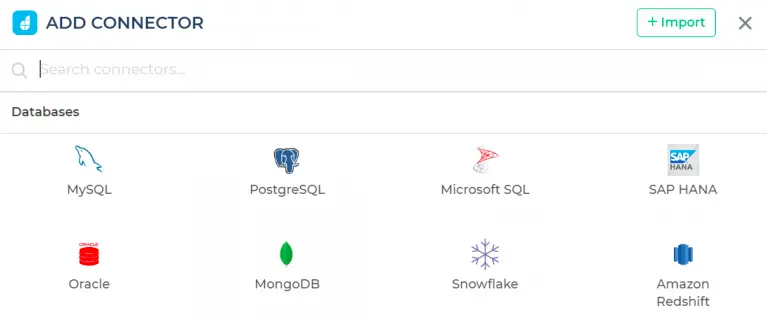
It’s an open-source, battle-tested relational database that scales well and works with almost any kind of app. In your MVP, PostgreSQL acts as the foundation of your backend, keeping your data safe, organized, and accessible through APIs.
When paired with Claude, it becomes even easier to build around because Claude can generate full backend code based on your PostgreSQL schema. This unlocks a new way of shipping one where you describe what you need, and Claude writes the code for you.
Source: https://www.astera.com/
How Claude Turns Your Ideas into Working APIs?
Once your database is defined, say you have tables like Users, Orders, or Products, you need a way for your app to interact with that data. That’s where APIs come in. Traditionally, writing those APIs takes hours of manual coding, especially if you want them to be clean, secure, and scalable. But with Claude, that changes completely.
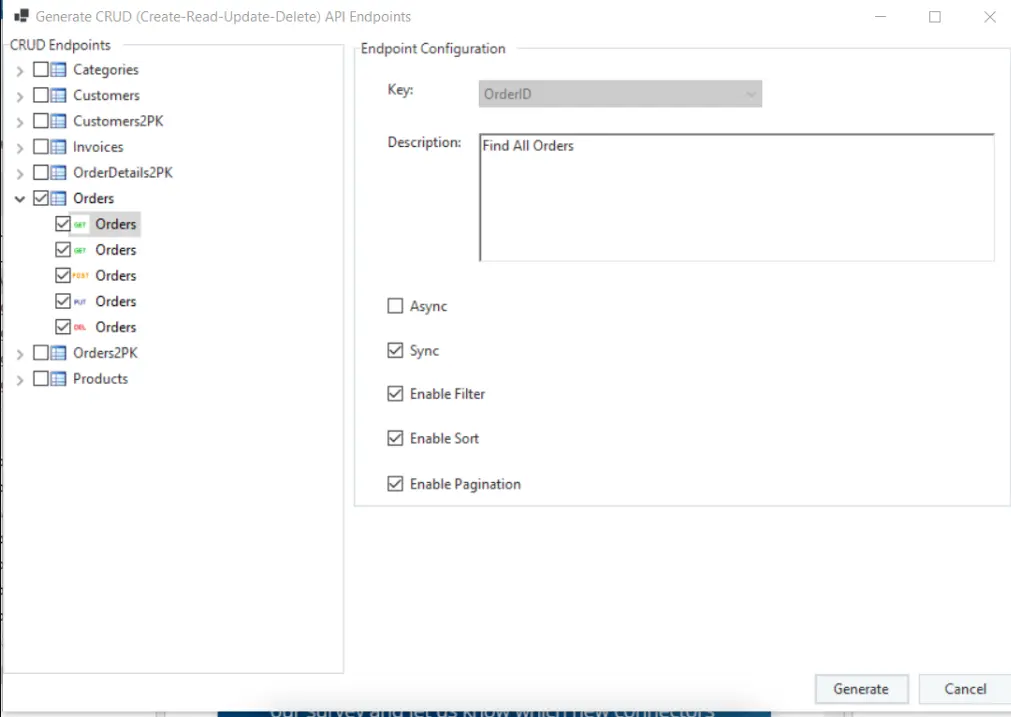
Claude can read your database schema, essentially the blueprint of your app’s data, and generate all the connection code you need. Whether it’s a basic GET request to retrieve data or a full CRUD setup (Create, Read, Update, Delete), Claude delivers complete, working API endpoints in seconds. It understands structure, logic, and intent, so you spend less time building and more time testing your MVP in the real world.
Think it, Write it, Get Code
You don’t need to be a developer to build with Claude; you just need to explain what you want. Imagine typing something like,
“Create an Express.js API for a PostgreSQL table called ‘Users’ with login, signup, and profile update features. Add JWT auth and input validation.”
Claude takes that plain-language prompt and responds with full backend code routes, controllers, database queries, even middleware, all tailored to your setup. It’s like talking to a senior engineer who just gets it and hands you ready-to-use code.
This approach isn’t just fast, it’s empowering. It lets founders stay focused on product vision, while Claude handles the repetitive, technical parts of backend development. And because it’s generated on demand, you can tweak, expand, or rebuild anytime, without waiting on a dev cycle.
Here’s how you can go from idea to working APIs without touching a single line of code.
Step-by-Step: How to Generate APIs Without Writing Code
You don’t need to write a single line of backend code to get your MVP running. With Claude and a clear plan, you can turn your app’s data model into working APIs in minutes. Here’s a step-by-step look at how it works from defining your data to using your APIs in a live app.
Step 1: Describe Your Data
Start by defining the structure of your app’s data. What are the main objects your app will use? For example:
- A Users table with fields like id, name, email, and password
- An Orders table with user_id, product_id, quantity, and status
You can write this in simple PostgreSQL table format or even just describe it in plain language. Claude understands both. This step is like drawing the map of what your app will manage.
Step 2: Ask Claude to Generate API Code
Once your data model is ready, you prompt Claude. Your prompt can be as simple as,
“Generate a REST API in Express.js for a PostgreSQL table called ‘Users’. Add endpoints for creating, reading, updating, and deleting users. Include JWT-based authentication.”
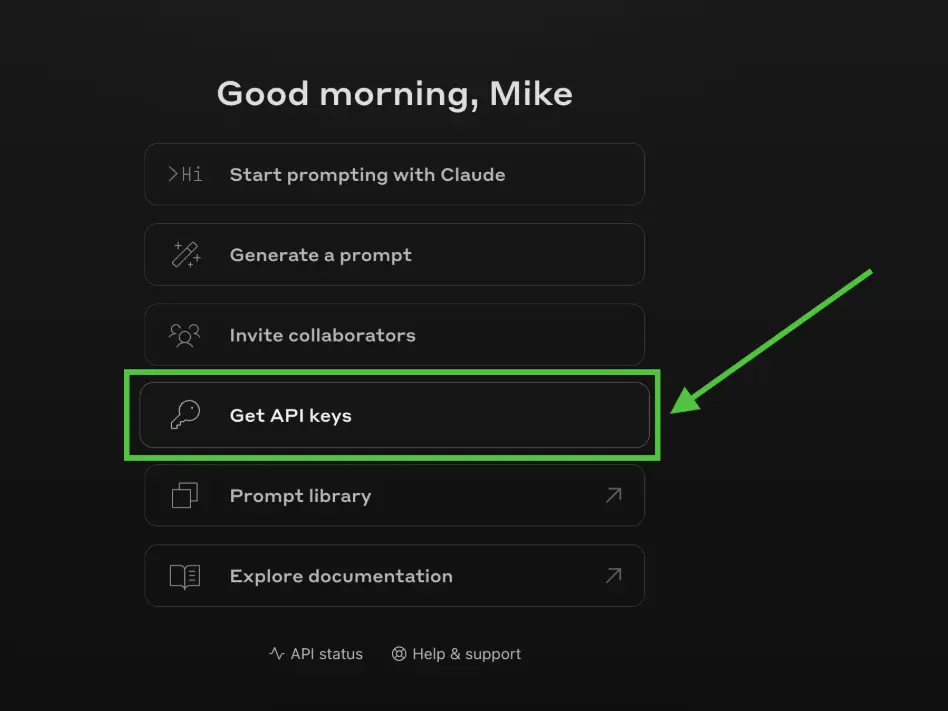
Claude instantly responds with complete backend code: route handlers, middleware, validation, even database queries, all tailored to your request. You can copy this into your project and run it without modification, or tweak it if needed.
Source: https://pickaxe.co/
Step 3: Use Your APIs to Power Your App
With your new API endpoints, your frontend can now connect to your backend. Want to build a signup form? Just point it to the POST /users endpoint. Want to display user profiles? Use GET /users/:id. These APIs act as the bridge between your app’s interface and its data.
From here, you’re no longer stuck waiting on backend dev time; you can test, iterate, and launch your MVP with real functionality, powered by APIs you didn’t have to code by hand.
And the benefits go beyond speed. This shift in approach saves you time, cuts development costs, and eliminates the usual backend headaches that slow teams down.
Why This Saves You Time, Money, and Headaches?
In the early days of building an MVP, every hour and dollar counts. By auto-generating your backend with tools like Claude and PostgreSQL, you cut out one of the most time-consuming, expensive parts of product development.
Instead of hiring a backend developer or worse, a full team, you get production-ready APIs in minutes. That’s weeks of saved effort and thousands of dollars you can reinvest into design, marketing, or customer research.
But the value goes beyond speed and savings. With a fast backend setup, you can start testing real features sooner. That means quicker feedback from users, faster iterations, and the ability to pivot early, before you’ve sunk too much into the wrong idea. You stay flexible, lean, and focused on what matters most: solving real customer problems.
Automating your API setup lets you build like a modern founder, moving fast without sacrificing quality, and keeping your resources focused where they matter most. But even with powerful tools like Claude, it’s important to know where human expertise still matters and where you can confidently build without it.
Source: https://www.dronahq.com/
What You Still Need a Developer For and What You Don’t
AI tools like Claude Pro can take you surprisingly far, especially when it comes to generating clean backend code, setting up APIs, and getting your MVP software development off the ground fast. But while they remove a lot of the early heavy lifting, they’re not a full replacement for experienced developers, especially as your product grows.
You don’t need a developer to,
- Spin up CRUD APIs from your database schema
- Handle simple authentication flows (e.g., JWT login/signup)
- Connect your frontend to your backend
- Quickly prototype features and test product ideas
But you still need a developer when it’s time to,
- Optimize performance and database queries at scale
- Implement advanced security measures, compliance, or encryption
- Integrate complex third-party services or legacy systems
- Architect for scalability (load balancing, caching, fault tolerance)
- Conduct proper testing, CI/CD setup, and long-term maintainability
On the other hand, AI gives you a powerful jumpstart, but once your MVP gains traction, a skilled developer becomes essential to ensure your app is secure, reliable, and ready to scale. It’s not about replacing developers, it’s about giving them and you a head start.
And you won’t be alone. Founders across industries are already using this stack to launch faster, validate ideas, and build momentum without the usual technical delays.
Modern Founders Already Using This Stack to Launch Faster
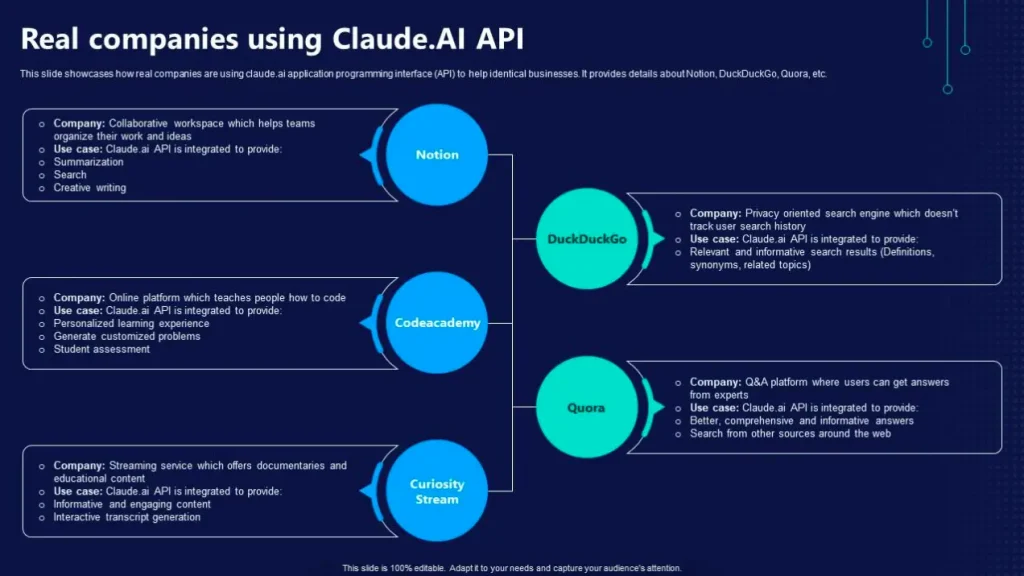
Early-stage founders are already proving how powerful the Claude + PostgreSQL combo can be and how quickly it can turn an idea into a real, working product. Here are a few real-world examples of how this stack speeds up time to launch,
- Nina, solo founder of a niche job board, described her database tables in plain English and used Claude to generate a full Express.js API. Within 72 hours, she had a working MVP with job listings, user accounts, and admin controls, all without hiring a backend developer.
- Raj and his co-founder, building a peer-to-peer rental app, used Claude to spin up their entire backend in a weekend. With PostgreSQL handling the listings, bookings, and users, they focused on UI and launched a functional beta in under two weeks.
- Lena, a non-technical founder, built a prototype for her habit-tracking app by simply prompting Claude with what she wanted: user auth, daily logs, and stats. The generated code powered her MVP demo, which helped her land her first angel investor.
Source: https://www.slideteam.net/
These startup founders didn’t wait for long dev cycles or burn capital, hiring early. They used AI and trusted tools to ship fast, test quickly, and build momentum, all while keeping full control of their product vision.
Ready to Build Smarter MVPs?
You don’t need a full dev team or months of backend setup to bring your AI MVP development to life in 2025. Whether you’re non-technical or just want to move faster, it all starts with one simple step: designing your PostgreSQL database.
List the core things your app should track: users, orders, bookings, tasks, and describe them in plain language. Example: “I want a ‘Users’ table with name, email, and role.” Once you have that, copy your data model and send it to Claude. With just a few lines of code, Claude will return clean, production-ready API code, no boilerplate, no token limit worries, no backend pain. Copy your schema. Paste it into Claude. Build smarter.
The beauty? You can auto-generate APIs for your MVP using Claude and PostgreSQL and instantly connect that code to your frontend, whether you’re building in React Native, web, or hybrid. Claude understands the Python path, generates secure CRUD operations, and lets you skip the infrastructure grind so you can focus on testing, design, and real features.
And if you’d prefer guidance, Appkodes is here to help. We work with startups to quickly transform database schemas into working MVPs. From defining your PostgreSQL structure to integrating Claude’s API output into a React Native or full-stack app, Appkodes, a leading startup mobile app development company, helps you build smart and launch fast, with transparency and control.
This is how modern AI MVP development works in 2025,
Define your data
Use Claude to generate backend logic
Connect it to your frontend stack
Launch faster, with fewer token limits and headaches
Whether you’re starting from scratch or optimizing your MVP, Appkodes and tools like Claude offer you the quickest route to a testable, scalable product, without writing every line manually.

Arun Andiselvam
Founder of AppKodes. As a serial entrepreneur, I have successfully established five brands over the past 12 years. After creating a successful rank tracker for SEO agencies, I am currently dedicated to developing the world's first SEO Project Management software.