From Idea to Profit: How to Start a Bike Rental Business
Hey! Just think, what if your bike rental business was destined to fail before it even started? Let’s look at some real-time experiences with the above question. A small bike rental startup out of Miami had everything lined up for success. 100 premium bikes, a prime beachside location, and the passing of tourists eager to rent from them.
From the outside, it looked like a dream business but things fell apart just a few weeks later.
Can you guess it? Yes, bikes were booked but unavailable, and some never returned after being rented.
Maintenance was a gamble, with breakdowns occurring at the worst times. Profits dropped, revenue flow became irregular, and they weren’t sure what to do. They had the bikes, and they had the demand too. So, what was going wrong?
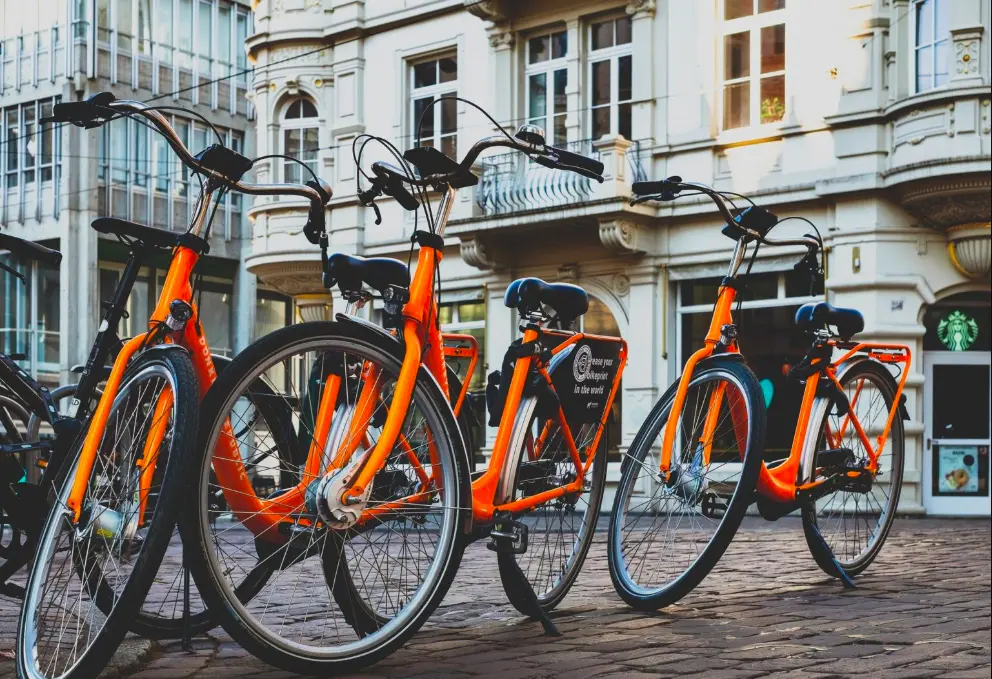
Source: https://rentrax.com/
What came next in their fate? One decision they made that changed everything.
What was that? Scroll on. This guide will lead you to avoid those mistakes with your bike rental business and provide detailed ideas for establishing a thriving bike rental company.
Are you ready to learn how to start a bike rental business with the dividing line between success and failure? There are some myths about the perfect start, Let’s get down to it.
The Illusion of a Perfect Start
Many existing bike rental businesses work under the assumption that a demand-driven business and a good location for a bike rental business warrant success. But bikes alone do not guarantee business survival. With this blind faith, many rentals failed to adapt to the target market. Keep reading
Where Most Bike Rental Businesses Go Wrong?
The expansion of the bike rental industry comes with a lot of challenges. For example, overbooking frustrates customers, lost bikes take away gains, maintenance problems lead to downtime, and stagnant pricing results in lost revenue.
These issues multiplied in traditional methods, therefore from a venture with great promise, the business now becomes a daily struggle to handle operations.
Without a complete governing system to manage bookings, tracking, and maintenance, all these things get out of hand. Those who forecast beyond renting their bikes are the ones who scale and sustain, while the others are the ones facing inefficiencies that suck away personal finances as well as their business finances. But how do they find the solution?
How Successful Businesses Overcome These Challenges?
Digital platforms provide them with a solution in such cases. Successful rental businesses, far from relying on guesswork, have started utilizing digital platforms. It made their bookings and bike tracking effortless, and maintenance became a bed of roses.
Instead of randomly firefighting, they create a smooth operation that adjusts to demand and scales without difficulty by their smart ideas. So, building an app like Airbnb with the right kind of system would solve your problems too.
It can forever transform your whole business plan into a great ongoing demandable business. Now, are you eager to know how to start a bike rental that gets you profit and also keeps customers happy?
The Blueprint: How to Start a Bike Rental Business the Right Way
How to start a rental business? when establishing your rental business, attention to detail is vital, from the location of your rental to developing a good rental platform for your rental business.
Before going on with major operational activities, understanding your niche will be useful. This means if you’re confused about how to start a bike rental business or don’t have an idea about how to set a business structure for a bike rental business will have an impact on pricing, effective marketing, and the way you run your bike rental business.
Let us analyze some of these important customer groups you should consider.
1. Who Are Your Customers?
Before commencing a bike rental business, it is essential to identify your target customers.
Knowing your customers and the services they want will help you satisfy their needs and it is the reason behind the utmost success of many businesses. Here are some of the primary customer segments to look into
This may be the travelers or tourists who want to visit an area for a scenic and convenient mode to explore cities and beaches. Guided routes and easy rentals are what they require providing that will make your bike rental appealing to them.
Or the commuters who ride bikes to get from one place to another. They want to travel quickly and inexpensively, without any traffic congestion or delays in public transport.
Or the people who want to rent bikes for their active lifestyle, such as exercising. These people would be looking for high-performance bikes or electric bikes for longer rides.
Or the University-goers and professionals from the aforementioned category looking for an efficient and affordable alternative to packed buses and crowded trains.
2. Pick the Right Location
The ideal location for a bike rental is fundamental to a demand mechanism, customer inflow, and eventual expansion.
A busy street guarantees a steady stream of bookings, while a poorly chosen spot may offer no visibility and lose chances with potential customers. Consider setting up your bicycle rental in these highly viable areas
City Centers & Tourist Attractions
Effortlessly attracts tourists and locals who want to explore notable landmarks, historic sites, and cultural attractions.
Beaches & Parks
Best option for leisurely riders and weekend visitors who want to have fun in the outdoor experience. Seasonal demand can be high here, so weigh into it.
University Campuses
Good for students who need affordable and flexible transport for very short distances between classes, creating an extremely strong market for long-term rentals or memberships.
Business Hubs & Offices
Surely, congested city professionals can rent bikes for last-mile commutes between train stations or parking areas.
3. Choosing the Right Bike Fleet
Your rental fleet can adapt to all the different needs of customers by offering bike types tailored to different riding styles. It not only enhances customer satisfaction but also opens wider market applicability. By offering various bikes, you ensure accessibility and appeal to different customer segments.
Mountain Bikes
Renting out mountain bikes can be attractive for outdoor enthusiasts or tourists who want some adrenaline-pumping excitement. It is perfectly suitable for daring riding types geared to off-road trails, hilly terrain, and unrugged paths.
Road Bikes
Lightweight and speedy road bikes are nice for riding fitness and long distances along smooth pavements. Their offering here may attract cycling lovers and competitive riders to your rental.
Fat Tire Bikes
Sandy beaches, snowy paths, and rocky terrains are the playgrounds of fat tire bikes since they offer a smooth ride on harsh terrain. There is a high chance that adventure lovers and people riding under extreme conditions are naturally attracted to these bikes.
Tandem Bikes
A fun option for couples, friends, and families looking to ride together. These bikes also enhance a social experience and could be a unique tourist attraction.
Adult Trikes
Adult trikes with extra stability and storage are ideal for the elderly, and disabled, and for delivery services that require safe transport.
Children’s Bikes
Essential for families wishing to rent bikes together. Having different frame sizes appeals to a wider clientele, including tourists with children.
Child Carrier Bicycle
This is a really useful item for parents who want to cycle with their little ones. Such a feature makes your rental service family-friendly and increases accessibility.
4. Analyze Your Competitors
Researching competitors is essential for recognizing weak supply areas and building a stronger competitive person-to-person bike rental business. But how to perform that? Look at rental market analysis.
Then have a look at the major bike rental companies around and analyze their pricing systems, the quality of their fleet, customer experience, and any value-added services.
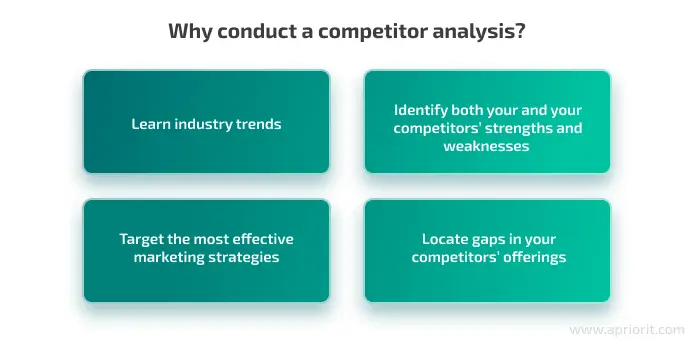
Source: https://www.apriorit.com/
Consider customer reviews for problem areas, such as poor maintenance, too few bike options, or an inconvenient booking system.
Then search for differentiation opportunities, maybe through better prices, better bikes, better rental packages, or an additional service such as offering guided tours or flexible drop-off locations.
Competitor and market research will allow you to polish your marketing strategy, effectively position your business, and attract more customers. Setting USP plays a major role in the rental business.
5. Master Your Unique Selling Point
A good Unique Selling Proposition (USP) can separate a bike rental shop and business from the rest and give customers a compelling reason to choose it over others. Safety and quality add value to the bike rental experience which should be the most important thing to impress customers.

Source: https://www.marketing91.com/
Catering to different customers can include flexible rental options with seasonal pricing makes customers feel valued.
For example, hybrid bikes are great for all-around rides, tandem bikes are fun for adventures together, electric bikes are for eco-conscious ones, and fat-tire bikes are made for blasting off-road.
The overall experience could improve by including perks such as guided tours, free accessories, or excellent customer support. Emphasizing sustainability and setting up eco-friendly businesses nature can be a key differentiator.
Such a strong USP helps attract customers and reinforces the brand, but the right business model is responsible for sustainable growth. How to choose? Let’s take a quick view
6. Find the Business Model That Works for You
Choosing the right rental scheme will make or break your customers and it guarantees user-friendliness of your service. A proper rental model will be profitable, helping build customer loyalty. Many successful bike rental businesses have multifaceted models aimed at different audiences. Here is a brief
Hourly/Daily Rentals
Have you ever found yourself traveling to a new city craving some adventure yet unwilling to go through the hassle of taxi- or bus-hailing?
Hourly and daily rentals give an immediate solution. This rental model is open to tourists. It extends to casual riders and locals needing a bike for an occasion for sightseeing, running errands, or effortless riding along the waterfront.
Picture this, a traveler lands at Miami International Airport and gazes at the oceanfront. The photograph developing in his mind is that of soaking in the warm sun on two wheels.
There is a general agreement that renting a bike for two hours, not a whole day, for the tourist is a good choice. No fuss, no long-term obligations just plain biking freedom.
The essentially per-hour-or-day rate for using the program is simple to understand and makes this offer almost a no-brainer for anyone needing a short-term fun ride.
Subscription Model
What if you cycle every day? With every ride paid for, it could get costly pretty quickly. To that end, there comes the subscription style that allows unlimited use for a fixed fee weekly or monthly. It is aimed at people who need to be cycling all the time.
Assume you have a subscription whereby you can unlock any bike anytime you need it. No extra payments and no worries; just a flat fee for that month to keep you rolling. Comes along with other services to include perks such as discounts for accessories, maintenance help, or VIP access to premium bikes.
This turns casual riders into serious subscribers who prefer membership to on-demand rentals.
Peer-to-Peer (P2P) Bike Sharing
P2P bike sharing is joining bike owners and renters via apps to create a rental marketplace empowering communities.
For example, Juniors own a make-new mountain bike that is hardly ever ridden, while a visitor in town would like to have a grand look around some surrounding trails but clearly won’t buy a bike for one ride.
A P2P platform is a great mediator, helping the owner make some passive income while providing access to an awesome ride for the renter.
It works well in cities with demand for a broad range of bike types-from tandem bikes to road-cargo bikes. Renters are not limited to a company’s fleet, so they are likely to find better-decked personal bikes at lower price levels.
For rental companies, this model helps minimize overhead. Especially cover initial costs needed for the hundreds of bikes! The company acts as a platform provider, allowing secure payment options and insurance while exposing its customers to a great user experience.
Corporate Partnerships
In an environment where bike rentals are readily available as a perk for the workplace, hotel, or tour agency, exactly what happens in corporate partnerships?
Companies partner with bike rental providers to allow employees or guests to have a sustainable, convenient, and cost-effective transportation option.
Gate 19 would have been a great place to stay in San Francisco, where, instead of calling an Uber, it has rows of beautiful bikes only for guests. You scan a code, unlock a bike, and set off to discover the city as part of your stay.
Some companies also decorate the bikes with their branding logos, which causes them to serve as moving advertisements in favor of green transport. A win-win situation where they align their profit motives with some sustainability efforts.
Hope you learn the basics of how to start a bike rental business, apart from these, there is one more thing you should know to make yours best.
7. Automating Your Bike Rental Business: From Bookings to Maintenance
Integrating cutting-edge technologies into your bike rental platform simplifies your rental business process, and enhances scalability and security. Digital tools help provide customers with fast and reliable customer service. Let’s see how
Live availability helps customers to check the availability of the bikes and lets them instantly book a bike they want on your rental platform which provides a seamless experience.
Integrating payment tools such as Payment Stripes, Square, Apple Pay, or Google Pay can improve transaction efficiency, lesser manual efforts, and a smooth checkout process.
Utilizing CRM and analytics tools helps monitor customer preferences, rental history, and behavior so that you will identify opportunities for personalized discounts and promotions as well as loyalty rewards which increases customer retention.
Having Geofencing and anti-theft mechanisms dispatch alerts when bikes leave pre-established zones or are being used without permission, combating actual losses.
By integrating order management with CRM, bikes are tracked efficiently, inventories are managed, and smooth operational flows can be done without double bookings or mismanagement issues.
Smart locks are the best choice for you. Enables customers connected via QR to unlock bikes through your app. It provides keyless and hassle-free rental experiences.
IoT sensors can be used to facilitate predictive maintenance by catching foreseeable problems early or simply to lower unexpected breakdowns and downtime.
Having a rental platform enough for your business? No, it must be legal. How to do that? Let’s dive into that.
8. Legal & Operational Setup for Your Bike Rental Business
Before launching your business, it’s essential to establish a strong legal entity and operational foundation to avoid costly penalties, disputes, or unexpected liabilities. Here’s what you need to get started
Registering Your Business & Obtaining Permits
Every business must be legally registered and compliant with its respective local regulations. While the requirements may vary geographically, key steps include
Choosing a Business Structure
Determining whether your business structure would be an LLC, sole proprietorship, or corporation. Usually, LLCs are favored as their business liabilities would not affect the personal assets.
Business Registration
Registering your business name with the state and federal government to obtain tax identification numbers (EIN).
Licenses & Permits
A few cities would require special licenses and permits for any rental business. This includes a business license, vendor license, commercial activity permit, and environmental compliance clearance.
Zoning
If you intend to operate the business from a tourist spot or a public space, inquire about zoning restrictions or any special licensing requirement.
Insurance Requirements
Insurance helps protect your company from prospective monetary losses due to events like accidents, thefts, or claims from its customers. Some of the policies that are most important to be considered are
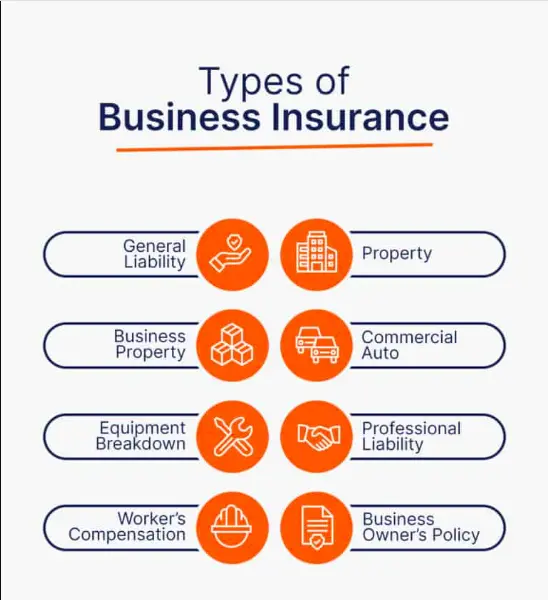
Source: https://stepbystepbusiness.com/
General personal liability insurance covers injuries or damages related to customers and third-party negotiations.
Theft & damage insurance coverage under this policy helps furnish liability protection for the fleet in case of stolen or damaged bikes.
Some companies provide a rider protection policy as optional insurance for renters against accidents during use.
As an extra, there is a legal requirement for workers’ compensation insurance if employees are engaged.
Rental Agreements & Liability Waivers
A rental agreement that is clear and legally correct will help with any potential misunderstandings and ensure that customers claim their responsibilities. Areas that should be considered in your rental agreement
Rental Terms regarding prices, rental period, late fees, and security deposit requirements.
Proper Rules for using bikes, proper storage procedures, and responsibilities of customers for loss or damage.
Protects your bike rental business from any legal claims if a customer is injured because of his own misuse or gross negligence.
If you do the right things from the start, you can run a very strong and legally compliant rental business with ease and safety. Similarly, investment is also important, so how to take your business to the next level according to your budget, Read on.
Bulk Purchasing vs. Leasing Bikes: Which is More Cost-Effective?
Deciding whether to buy or lease your bike fleet is one of the biggest financial planning you’ll make when starting a bike rental business. Each option has its impact on cash flow, profitability, and flexibility, so which one is right for you?
Although the bike rental business requires a big investment upfront, the value received in the long term can be worth it. These bulk discounts reduce the cost per bike, while complete ownership allows customization and branding of the fleet with the option to resell bikes later.
Additionally, without continuous lease payments, profit margins become more predictable. The practical considerations arise in that there is a significant cash flow issue at the start of the purchase, and maintaining the bikes would only serve to increase your operational costs.
On the other hand, leasing lets you start with little financial burden, as it distributes startup costs over time. It is well suited to startups or businesses that are testing the waters. Want the latest bike models?
Leasing makes upgrades easier, sometimes maintenance is included in the deal. However, there is a downside-leasing may become more expensive than buying as the years progress, and restrictions on branding and modifications may limit your ability to express your business’s identity.
This begs the question, what should I do? Considering these things will help you decide.
The amount of capital you have
Projected demand and growth considerations
Needs for maintenance and branding
The terms and conditions of the lease
After collecting these, ask yourself a question: Which Option Is Right for Me?
If your wish is to have long-term financial viability, of course, the answer is to purchase. If the emphasis is instead put on cash flow flexibility and adaptability, then perhaps a lease is the answer.
The choice made here could make or break the bike rental business. Those factors could then affect your business structures in terms of profitability and scalability. Therefore, examining your goals and enhancing assistance in detail would help you secure your business long-term. Here’s how.
How to Enhance the User’s Experience?
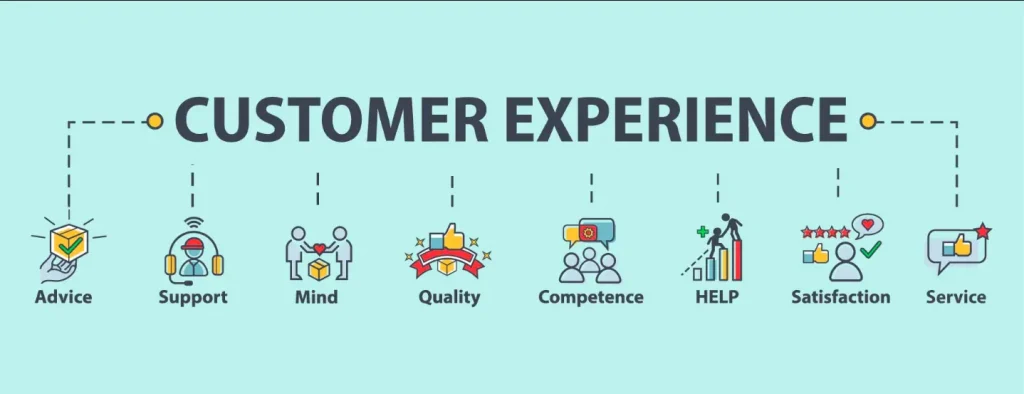
The most important thing about a seamless bike rental experience is the delivery of fast and reliable support. This is why striking a balance between AI-powered chatbots and human support becomes essential.
Users get instant replies to their queries, which can be an AI, but when the problem is not so common, human help comes in to provide services with that personal touch.
With self-help tools via in-app tutorials and FAQs, the users are less frustrated and thereby kept efficient.
Source: https://www.gosurvey.in/
Receiving instant and clear instructions about how to operate bikes, safety tips, and troubleshooting tips for common problems lets the riders solve their minor problems thereby reducing waiting times and unwanted requests for support.
On-spot bike swap/refund notwithstanding any hassles would make for a great customer experience. If a bike malfunctions or does not meet expectations, a quick exchange or refund for the bike will make the customer happy and be able to trust the business.
Efficient resolution enhances user experience, earns the brand goodwill, fetches retention, and generates referrals. Now, most of us have the query, will this sector have a bright future? Here’s your answer.
Will the Bike Rental Industry Keep Growing? Key Insights for Entrepreneurs
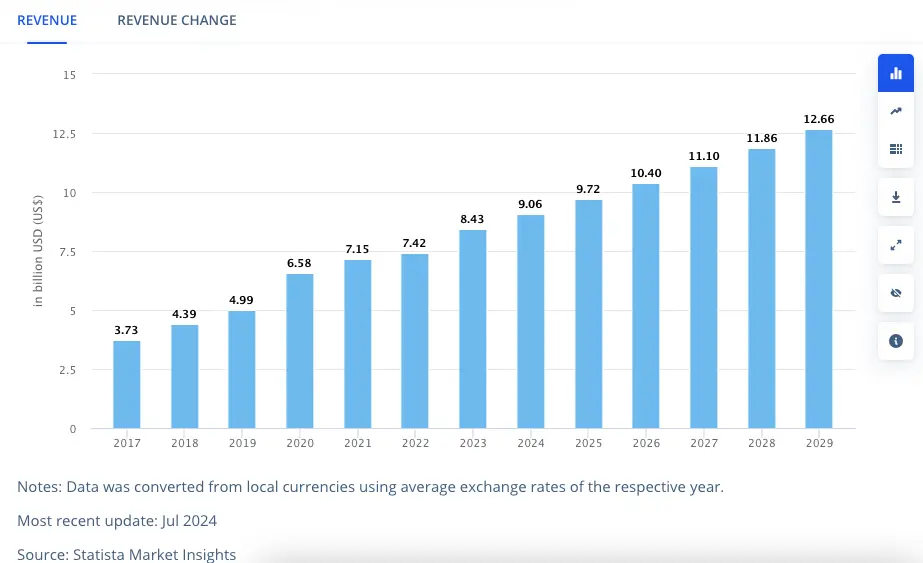
The bike rental demand is increasing due to cities’ growth, sustainability issues, and changes in consumer behavior. According to available reports, the global bike-sharing market will expand at a CAGR of almost 8% between 2020 and 2027 it will reach $6.5 billion by 2027.
Bike rentals are growing at a rate of over 20% annually in cities around the globe, as individuals increasingly seek mobility options that are convenient and sustainable.
According to a survey, 60% of urban dwellers have utilized a bike rental at least once, with millennials leading the way, 65% prefer renting rather than buying as it is cheaper and more convenient.
Success in the real world proves a trend. Citi Bike in New York currently facilitates about 30 million rides a year and has added an electric bike component to its fleet for tourists and daily commuters.
Recently, Donkey Republic has been operating in several European cities with a user-friendly app-based and flexible rental model that highlights how friendly technology powers growth.
Meanwhile, Bounce in India created a buzz in urban centers’ mobility through dockless rentals and pay-per-use pricing by making bike access easy for anyone. Government-supported projects like Velib metropole in Paris show how that kind of public-private partnership will accelerate wider adoption.
In addition to providing funding for the extra services offered by bike-sharing programs, governments, and city planners have started laying much emphasis on building cycling infrastructure as a means to curb congestion and carbon emissions.
Cycleshare is a booming and scalable business for entrepreneurs with aspirations to grab this future of mobility, considering the factor of immense market growth, changing lifestyles, and growing environmental consciousness. Ready to expand further?
Source: https://www.statista.com/
Setting the Stage for Future Expansion
If you want to expand your bike rentals in the future, a plan is required. You may not know where to start your planning this section will help you get a clear idea of it. Let’s start with tax benefits, it is essential to keep records of every penny you spend for bike maintenance, payroll, and purchases of fixed assets.
Knowing these expenses reduces your taxable income, and if you choose more tax-efficient entities such as an LLC or an S-corp, you would be able to take advantage of pass-through taxation and file rather easily on this very basic matter of taxation.
You must also separate personal expenditures from business-related ones. Using a business credit card will facilitate accounting for expenses incurred toward repairs, maintenance, marketing, remote payroll, etc., while also enabling your business to establish credit for investment opportunities down the road.
Once your bike rental grows, plan to hire employees to handle operations and customer service, which therefore allows for growth. Being a growing business, work on ensuring repeat business by providing good service, fixing bikes, and rewarding customers with incentives or discounts to ensure they return.
Learn some interesting online and offline tactics that help you stand out from the crowd.
What Are Winning Marketing Strategies to Grow Your Bike Rental Business?
Ever wondered why bike rental businesses are fully booked every day and the owners can hardly make ends meet?
There’s a trick in the rental marketing strategies that lure in customers, but above all, you should know to keep bringing them back for more. Here are the ways by which you can bind that rental into the first choice of the town by providing a strong offline and online presence.
SEO & Local Search Domination
Having said that, if a traveler were to search for “bike rentals near me,” would your business be found? Optimizing your website for SEO and local searches helps your rental service appear on Google Maps and local directories, positively impacting visibility for the tourists and commuters looking for your service.
Promotions & Loyalty Perks
People are always looking for a good deal, and a few strategic promotions can always convert first-time renters to repeat ones.
Use push notifications to inform customers of exclusive deals, use referral bonuses to motivate & provide a word-of-mouth solution, and create a loyalty rewards program that lets frequent renters earn discounts/free rides. A simple deal like “Rent 5 times to get a free ride once” can do a lot for retention.
Social Proof & User-Generated Content
A satisfied customer is the best advert! Encourage your riders to share experiences on social media, tag your dedicated business, and post photos of their adventurous trip can be valuable content for your online customers.
Collaborate with local influencers or travel bloggers this will surely give a big boost to your business profile visibility. Feature customer testimonials, share-worthy images, and video reviews on your rental platforms too, since nothing builds trust better than first-hand testimonies.
Turning Rides into Experiences with Appkodes
Are you wondering how to start a bike rental business that attracts new customers and keeps your existing ones committed to your online and offline rental presence? Well, it’s all about meticulous planning.
Think beyond others. Starting a bike rental business is not just providing transportation facilities to your customers it’s all about how you convert that riding time into an enjoyable experience.
Here we can help you. Appkodes, a startup mobile app development company, contact our development team and turn your customers’ simple rides into adventure ones by getting your customized and scalable rental script.
Appkodes can help you earn like how Airbnb makes money through its rental platform. Our developers are experts in building feature-rich rental platforms or integrating features into your existing rental app according to your needs which makes your rental business unique from others.
So that you can empower your business whether it be a bike rental business, a car rental business, or a rental business for something else. Our team makes your app a star of success with smart techies.
If you’re setting up a rental for the first time take a look at our blog Best Rental Business to Start or 52 rental business ideas.
Then why are you waiting? Without confusion, join hands with our developers, launch your bike rental business with your rental platform, start attracting customers, and become one of the shining stars in the rental industry.

Thangamanikandan Bharathan
Starting as an iOS developer and moving up to lead a mobile team at a startup, I've expanded my expertise into Project Management, DevOps and eventually becoming a COO & Chief Service Officer in the IT sector. As a CSO, I excel in team leadership, technical advice, and managing complex business functions, focusing on combining technology and operations to drive growth. I'm keen to connect for collaborations or to exchange insights in the tech world!