How Home Healthcare Providers Enhance Elderly Care with a Medicine Delivery App in 10 Minutes
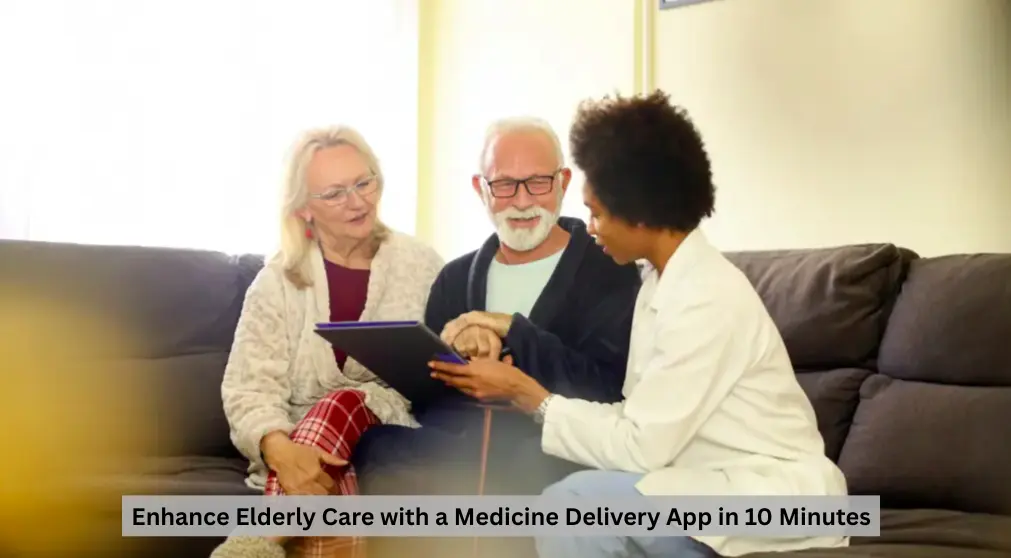
The world is moving fast. Faster than ever before. And healthcare? It’s not waiting. In 2024, the global medicine delivery market was valued at $39.2 billion, and it’s forecast to more than double to over $84 billion by 2031.
Convenience is no longer a perk; it’s the baseline expectation for care.
Seniors, once thought to shy away from limited technology skills, are proving us wrong. Some scroll through apps like pros, others are slowly learning. Anyway, one thing is clear: they are adapting to the new world.
And here’s the catch: if your pharmacy or healthcare service isn’t online, it might never catch up.
The numbers are hard to ignore. Across developed markets, over 65 % of pharmacies now offer delivery services, with same‑day and next‑day options rapidly becoming standard rather than premium features.
Customers want convenience, and spending follows. People who use digital platforms for healthcare and delivery services tend to engage more frequently, increasing lifetime value and loyalty.
The United States is leading this charge. Retail giants like Amazon and Walmart are aggressively expanding same‑day prescription delivery, pressuring traditional drugstores and reshaping expectations for speed and reliability.
Meanwhile, the online pharmacy market overall is projected to reach around USD 733.38 billion by 2034, expanding at a ~19.40 % CAGR, a clear signal that digital access to medicines is not a niche; it’s a mainstream consumer demand.
Businesses that embrace this shift? They grow faster than those still clinging to old ways. But it’s not simple. As industry leaders caution, success hinges on understanding real healthcare workflows, regulations, and seamless IT integration, not just flashy interfaces.
So here’s the question nobody can ignore: in a world this fast, how do we make medicine reach seniors in minutes, not hours?
How do we stay relevant when every delay costs more than money, unless we enhance elderly care with a medicine delivery app in 10 minutes, built for real‑world care needs?
What is a Medicine Delivery App in Healthcare?
A medicine delivery app is a digital healthcare support system that enables prescribed medications to be delivered directly from licensed pharmacies to a patient’s home within a defined time frame.
To enhance elderly care with a medicine delivery app in 10 minutes, the focus must be on seamless medication access and timely fulfillment. In a healthcare context, these platforms focus on the execution of care, not clinical decision-making.
One App, Two Lives: How Medicine Delivery Supports Elderly Care
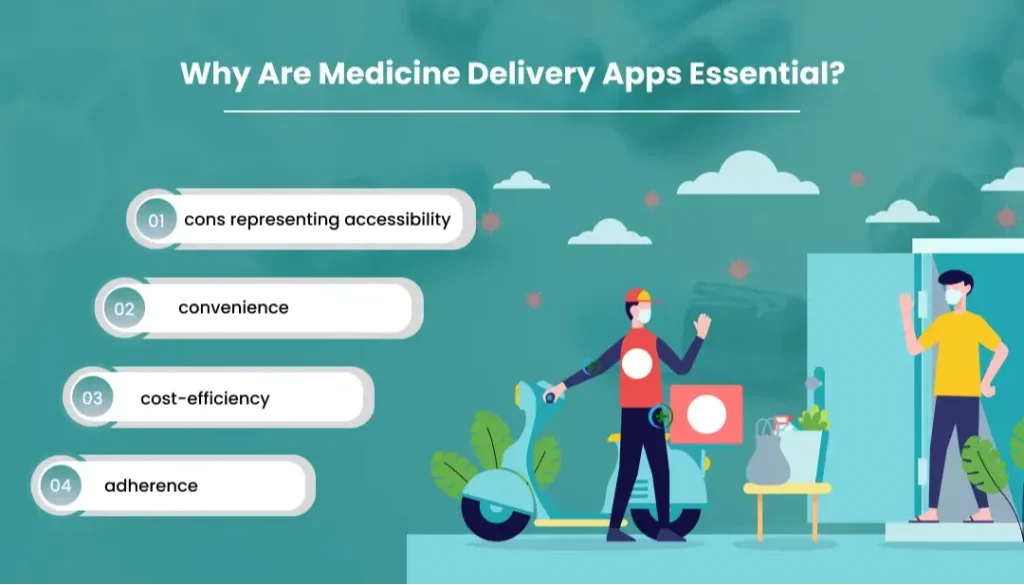
For many seniors living alone, managing medications can feel like a full-time job. Remembering which pill to take, when to take it, and when to reorder can be confusing, and missing even a single dose can have serious consequences.
In this case, a medicine delivery app becomes their trusted companion. Sending gentle reminders, organizing prescriptions, and delivering medicines right to their door, it gives them independence without compromising safety.
For those quiet mornings when there’s no one around, it’s the reassurance that someone, somewhere, is looking out for their health.
Source: https://www.imgglobalinfotech.com/
For seniors living with family, the challenges look different. Caregivers often juggle work, errands, and household responsibilities, and keeping track of multiple medication lists can be stressful.
Here, the same app becomes a strong support for the whole family. During recovery or rehabilitation, taking the right medicine regularly is very important. It helps families make sure medicines are always available, so healing is not delayed.
Also supports faster recovery after surgery, injury, or therapy, families feel less stress and can spend more time giving emotional support instead of worrying about medicine management.
In both scenarios, senior-focused apps bridge the gap between independence and support. For those living alone, it offers security and self-reliance; for those with family, it eases the burden and strengthens care.
Why Home Healthcare Providers Should Adopt Medicine Delivery App
| Aspect | Traditional Approach | With Medicine Delivery Apps | Why It Matters |
| Operational Efficiency | Providers spend a lot of time coordinating pharmacy visits, tracking prescriptions, and managing refills. Mistakes and delays happen often | Apps handle prescription tracking, refill reminders, and delivery logistics automatically. | Frees up time for healthcare providers to focus on patient care while ensuring medicines reach patients on time. |
| Patient Satisfaction | Patients rely on family, caregivers, or personal trips to the pharmacy. Missed or late doses cause stress and health risks. | Medications are delivered right to the patient’s home, with sms reminders and real-time updates. | Timely access reduces anxiety, improves adherence, and makes patients and families feel more secure. |
| Scalability of Services | As patient numbers grow, more staff and coordination are needed, limiting how much a provider can expand. | Apps can manage prescriptions, multiple patients, and deliveries at once. | Healthcare providers can care for more seniors without extra staff, keeping service quality consistent. |
Types of Medicine Delivery Apps for Elderly Care
Medicine delivery apps have quietly become a backbone of modern elderly care. But one important thing healthcare providers often overlook is this: not all medicine delivery apps are built for the same purpose.
Some are designed for emergencies. Others focus on long-term chronic care. A few exist mainly to support caregivers rather than seniors directly.
Understanding these differences is critical if your goal is to truly enhance elderly care with a medicine delivery app in 10 minutes, not just offer another digital service.
1. On-Demand Medicine Delivery Apps (For Urgent Needs)
On-demand medicine delivery apps are all about speed. They are designed for situations where seniors or caregivers suddenly realize a medicine has run out or when an urgent prescription is needed without delay.
These platforms enable medicines to be delivered within minutes or a few hours, making them especially valuable during emergencies.
- Immediate access to life-saving medicines
- Reduced panic during late-night or urgent situations
- No need for seniors to travel when they’re unwell
“When my father’s BP medicine ran out late at night, ordering through the app saved us from a hospital visit. The medicine came the same evening.”
— Rajesh, caregiver to a senior parent
Moments like these show how on-demand delivery can directly enhance elderly care with a medicine delivery app in 10 minutes, especially when time is critical.
2. Scheduled or Subscription-Based Medicine Delivery Apps (For Chronic Care)
For seniors managing chronic conditions, emergencies aren’t the biggest problem; consistency is. Subscription-based medicine delivery apps solve this by automatically delivering medicines on a weekly or monthly schedule.
This model works particularly well for conditions like diabetes, heart disease, arthritis, and long-term neurological care.
- Prevents missed doses due to forgotten refills
- Ensures uninterrupted medication supply
- Reduces dependency on constant family reminders
“I use the subscription feature for my dad’s medicines. Now I don’t worry about forgetting refills, it arrives on time every month.”
—Marlyn, long-term PharmEasy user
This type of medicine delivery app plays a major role in long-term elderly health management, especially for home healthcare providers managing multiple patients.
3. Caregiver-Managed Medicine Delivery Apps
Not every elderly patient is comfortable using smartphones or navigating apps. That’s where caregiver-managed medicine delivery platforms become essential.
These apps allow children, relatives, or home nurses to manage medicine orders, refills, and tracking on behalf of seniors.
- Helps seniors with memory, vision, or mobility challenges
- Gives caregivers full visibility and control
- Ensures treatment continuity even when seniors aren’t tech-savvy
Most major medicine delivery apps now offer features like multiple profiles or shared caregiver access.
“I handle all my mother’s medicines through the app. She doesn’t need to worry about technology, and I can track everything from my phone.”
— Aisha, caregiver and working professional
For home healthcare providers, this model bridges the gap between digital tools and real-world elderly limitations.
4. Doctor-Integrated Medicine Delivery Apps
Doctor-integrated medicine delivery apps connect consultations, prescriptions, and pharmacies into one seamless flow. Prescriptions are sent digitally, reducing errors and speeding up medicine access, especially after hospital discharge.
- Faster access to medicines after consultations or discharge
- Fewer prescription misunderstandings
- Better continuity of care between doctors and patients
“After my mother’s consultation, the prescription was already saved in the app. Ordering medicines was simple and stress-free.”
— Aisha, Practo user
This integration significantly reduces friction at one of the most vulnerable points in elderly care.
5. Smart Medicine Delivery & Management Apps (Advanced Elderly Care)
Some medicine delivery apps go beyond logistics and focus on medication management. These advanced platforms use AI-driven reminders, alerts, and predictive insights to help seniors stay on track with complex medication schedules.
- Improve medication adherence
- Support seniors living alone
- Reduce caregiver workload and continuous monitoring stress
These apps are especially valuable for elderly patients taking multiple medicines or managing cognitive decline.
6. Local Pharmacy–Based Medicine Delivery Apps
Local pharmacy–based delivery apps connect seniors with nearby, trusted pharmacies. While these platforms may not offer advanced technology features, they often excel in speed, familiarity, and personal support.
- Faster local delivery in urgent situations
- Personal relationships with familiar pharmacists
- Easy clarification on dosage and medicine usage
“Sometimes my local pharmacy delivers faster than big apps. For urgent needs, I still rely on them.”
— Feedback from caregivers
For many elderly patients, especially in semi-urban areas, this hybrid approach still plays a vital role.
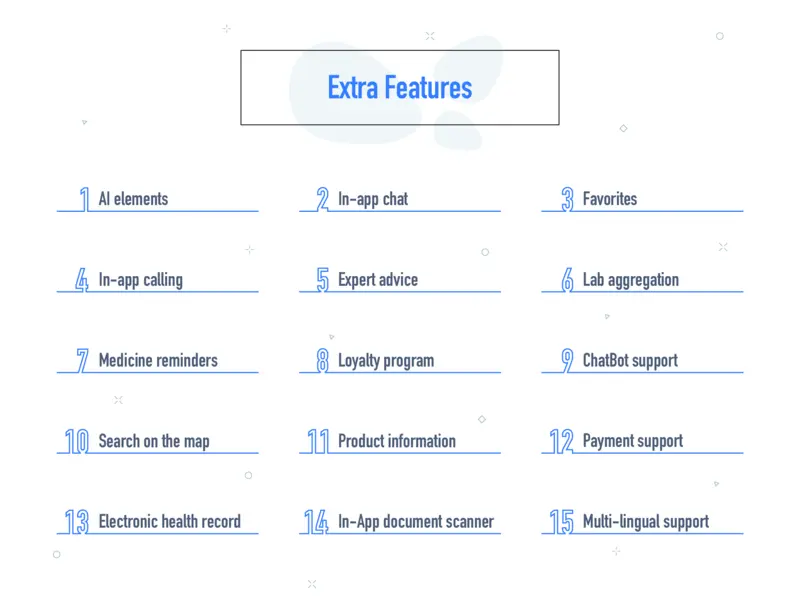
Must-Have Features in a Medicine Delivery App
These features form the foundation of a trustworthy and effective medicine delivery platform. Without them, an app cannot reliably serve elderly users or patients on long-term treatment.
Source: https://agilie.com/
1. Complete Medicine Information & Safety Guidance
Elderly patients often take multiple medicines every day. Even a small misunderstanding, such as taking the wrong dosage or combining incompatible drugs, can lead to serious health issues. A reliable medicine delivery app must provide complete and simplified medicine information, including:
- Purpose of the medicine (what condition it treats)
- Correct dosage and timing
- Common and rare side effects
- Pregnancy and lactation warnings (important for households with caregivers)
- Drug–drug interaction alerts for patients taking multiple medications
This information should be written in simple, non-technical language, making it accessible even to users who are not familiar with medical terminology.
Clear guidance prevents misuse, reduces hospital visits due to medication errors, and empowers seniors to manage their health, especially those on lifelong treatments.
2. Easy Prescription Upload & Pharmacist Verification
Prescription-based medicines are highly sensitive. One wrong interpretation can result in incorrect treatment. This is why prescription upload and pharmacist verification are non-negotiable features. The process should include:
- Uploading a prescription via photo or document
- Review by licensed pharmacists
- Confirmation before dispatch
- Delivery of the exact medicines prescribed by the doctor
This eliminates errors caused by unclear handwriting, wrong medicine selection, or incorrect strength. Seniors no longer need to rely on others to interpret prescriptions or search for medicines. It also ensures accuracy for chronic patients who require consistent dosages over long periods.
3. Smart Refill Reminders & Auto-Reorder
One of the most common challenges in elderly healthcare is missed or delayed medication. Smart refill systems help by:
- Tracking past orders and consumption patterns
- Sending reminders when medicines are running low
- Offering scheduled auto-refills for recurring prescriptions
This ensures uninterrupted treatment and removes the mental burden of remembering refill dates. Instead of reacting after medicines run out, the app proactively supports continuity, an essential factor in managing chronic diseases.
Family members can easily manage and monitor medicines for multiple elderly relatives from a single platform.
4. Real-Time Order Tracking & 24/7 Customer Support
Health-related deliveries come with emotional stress. When a patient is unwell, even short delays can feel overwhelming. A must-have medicine delivery app should provide:
- Live order status updates
- Estimated delivery time
- Real-time delivery partner tracking
- 24/7 customer support via chat feature or call
Real-time visibility reduces anxiety and builds trust. Immediate customer support ensures quick resolution of issues such as delayed deliveries, missing medicines, or payment failures, especially crucial during emergencies.
5. Multiple Payment Options with Strong Data Security
Elderly users have varying comfort levels with digital payments. Offering flexibility is essential. A good medicine delivery app must support:
- UPI payments
- Credit and debit cards
- E-wallets
- Cash or Pay on Delivery
Just as important is robust data protection, including:
- Encrypted storage of medical and prescription data
- Secure handling of personal and payment information
- Compliance with healthcare data privacy standards
Simple payments combined with strong security reassure elderly users that their personal information management and medical data are safe, helping build long-term trust in the app.
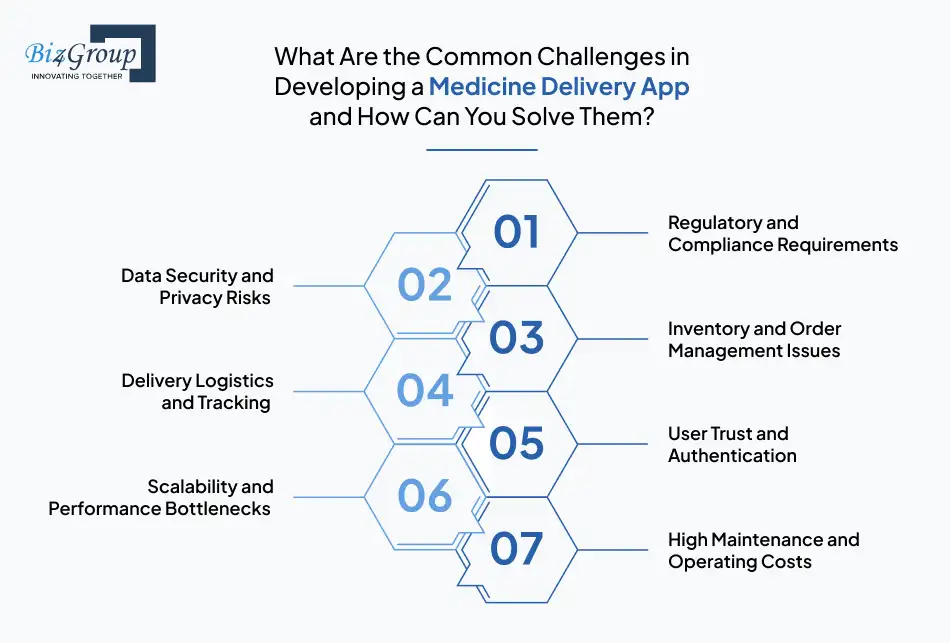
Major Medication Challenges Faced by Elderly Patients at Home
Managing medications at home is one of the biggest daily challenges elderly patients face. As people age, even routine tasks can become complex and risky without the right support systems in place.
#1 Delayed Access to Medicines and Missed Doses
Timely medication is critical for managing chronic conditions like diabetes, heart disease, and respiratory disorders. Delays in medicine delivery can result in:
- Missed or irregular doses
- Worsening of existing health conditions
- Increased risk of hospitalization or emergency care
For seniors, even short delays can have serious health consequences, making faster medicine access essential rather than optional.
#2 Complex Medication Schedules and Adherence Issues
Elderly patients often manage multiple prescriptions with different dosages and timings. Without proper reminders or quick refill access, confusion can lead to incorrect intake or skipped medications. This challenge is further amplified for seniors living alone or managing cognitive decline.
Source: https://www.biz4group.com/
#3 Long-Distance Caregiving Challenges
With families increasingly living in different cities or countries, monitoring medication adherence becomes difficult. Physical distance limits a caregiver’s ability to ensure refills are on time or respond quickly during emergencies. Technology-enabled medicine delivery apps help bridge this gap by keeping caregivers informed and involved remotely.
#4 Urban Living Constraints
In cities, elderly patients face additional hurdles such as:
- Traffic congestion is causing delivery delays
- Limited pharmacy operating hours
- Dependency on others for transportation
These urban challenges often turn simple medicine refills into stressful, time-consuming tasks for seniors.
#5 Accessibility and Inclusivity Gaps
Traditional pharmacy systems are not always designed with seniors in mind. Elderly patients often face challenges related to:
- Non-ADA-friendly delivery or pickup processes
- Lack of multilingual communication support
- Difficulty accessing contactless or safe delivery options
Inclusive, senior-friendly medicine access remains a critical but often overlooked need in home healthcare.
Real-Life Use Cases: Enhancing Elderly Care with Instant Medicine Delivery
Instant medicine delivery is changing how elderly care is provided in real life. These use cases show how fast, reliable access to medicines improves daily care for seniors.
1. Post-Surgery Recovery
After surgery, elderly patients often require a strict medication schedule, including painkillers, antibiotics, or anticoagulants. Delays in getting these medicines can slow recovery or even lead to complications. Instant medicine delivery ensures seniors can adhere to their prescribed regimen without leaving home, reducing hospital readmissions and promoting faster recovery.
2. Cardiovascular Diseases
Elderly patients with heart conditions like hypertension, heart failure, or arrhythmias need timely medications such as beta-blockers, diuretics, and blood thinners. Missing doses can trigger heart attacks, strokes, or irregular heart rhythms. Instant medicine delivery allows seniors to take prescription medications on time, maintaining heart health and preventing emergencies.
3. Diabetes and Metabolic Disorders
Seniors with diabetes, high cholesterol, or thyroid disorders require insulin, oral medications, or hormone therapy daily. Delays in medication can cause dangerous spikes or drops in blood sugar, cholesterol, or hormone levels. Instant delivery ensures these medicines reach them on schedule, supporting stable health and preventing complications.
4. Respiratory Disorders
Elderly patients with COPD, asthma, or pneumonia need inhalers, steroids, or antibiotics promptly. Missed or delayed doses can worsen breathing difficulties and lead to hospitalization. Instant medicine delivery ensures respiratory medications are always available, helping seniors breathe easier and stay safe at home.
5. Neurological Conditions
Seniors with Alzheimer’s, Parkinson’s, stroke recovery, or epilepsy require regular medications to manage memory, motor function, or seizures. Delayed or missed doses can worsen symptoms and reduce independence. Instant medicine delivery helps seniors tracking medications and maintain cognitive and physical health.
The Future of Medicine Delivery in Elderly Care
Enhance elderly care with a medicine delivery app in 10 minutes, making access to essential medicines quick, simple, and reliable for seniors. Upcoming developments are making this possible
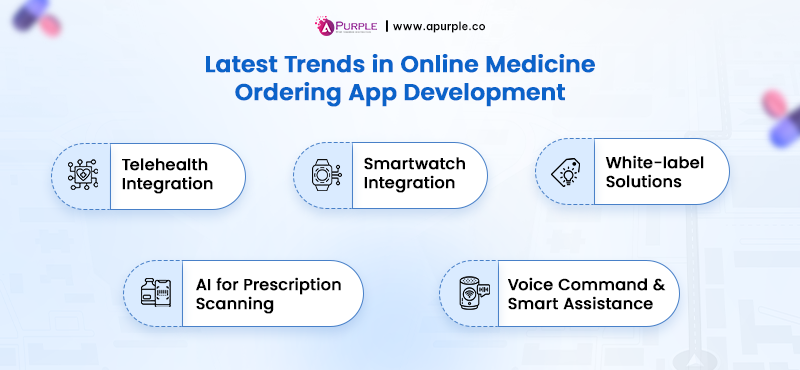
IoT-based tracking technology will improve how medicines are handled during delivery. Smart sensors attached to packages will monitor conditions such as temperature and movement in real time. This is especially valuable for sensitive medicines that require careful storage. By ensuring medicines are transported safely, apps can maintain quality and reduce wastage or risk.
Delivery speed and reliability will improve through AI-powered route optimization. Instead of following fixed delivery paths, apps will choose the best routes based on traffic, distance, weather, and pharmacy availability. This helps medicines reach homes faster, reduces delays, and improves success rates for time-critical deliveries.
Source: https://www.apurple.co/
Accessibility will also see major improvements with voice-enabled ordering and tracking. Elderly users and people with disabilities will be able to place medicine orders, check delivery status, or confirm receipt using simple voice commands. This removes dependency on complex app navigation and makes medicine delivery easier for everyone.
To strengthen trust and safety, blockchain technology will be used for prescription verification and medicine authentication. Every step from prescription upload to pharmacy fulfillment can be securely recorded. This helps prevent counterfeit medicines, reduces errors, and creates a transparent system that users can rely on.
Finally, advanced communication systems will deliver highly personalized updates. Instead of generic notifications, users and caregivers will receive clear, real-time information about order progress, delivery timing, and changes. This keeps families informed without confusion and reduces the need for repeated follow-ups.
Standard vs Customized Medicine Delivery Apps: Which One Fits Your Needs?
Medicine delivery app development might sound complicated, but with the right development team, it’s much simpler than you think. The key is deciding between a standard or a customized approach, each designed to meet different goals.
Method 1: Standard (Ready-to-Launch) Medicine Delivery App Development
The standard development method is centered around speed, simplicity, and reliability. In this approach, the app is built using pre-existing frameworks and proven workflows, which allows businesses to launch quickly without heavy planning or experimentation.
The focus is on implementing a structured system that works consistently across users and devices, reducing technical risks and unexpected issues. From a workflow perspective, the development process is linear: requirements are straightforward, features are clearly defined, and testing focuses on ensuring stability rather than customization.
This method is especially useful for companies that want to enter the market quickly, establish a baseline presence, and start serving customers immediately. It allows teams to concentrate on operational efficiency and user adoption without getting bogged down in long development cycles.
Pros:
- Faster development and launch
- Lower initial cost
- Reliable, tested features
- Ideal for quick market entry
Cons:
- Limited customization
- Fewer advanced features
- Less differentiation from competitors
Method 2: Customized Medicine Delivery App Development
The customized development method takes a flexible, business-driven approach. Instead of following a pre-set framework, the app is designed from scratch based on the unique goals of the business and the workflows of its users.
The process begins with detailed research and analysis. Development is iterative, often involving multiple cycles of design, testing, and refinement to ensure that the solution fits perfectly into the existing ecosystem.
This method allows businesses to experiment with innovative workflows, adapt to complex operational requirements, and future-proof their platform for growth. The result is a highly adaptable, scalable solution that can evolve as the business and user needs change.
Customized development is ideal for organizations that prioritize long-term flexibility, integration, and strategic differentiation over immediate speed to market.
Pros:
- Fully tailored to business goals
- Advanced patient engagement features
- Better long-term scalability
- Strong competitive advantage
Cons:
- Higher development cost
- Longer time to launch
- Requires ongoing maintenance and updates
Why Choose Appkodes for Your Medicine Delivery App
This is where Appkodes, a leading startup mobile app development company, comes in.
Instead of starting from scratch, you get pre-built modules and scripts made specifically for medicine delivery apps. Features like prescription tracking, short message service, text messages, Apple Health integration, and cross-platform compatibility are already ready to go.
With Appkodes, you can also offer patients and caregivers the perks of AI reminders, complex medication schedules, online video consultations, insurance validation, personalized medicine suggestions, and automated workflows.
The result? Happier patients, smoother pharmacy operations, and seamless access to medical care for everyone.
Best of all, with the right team and tools, you can launch a fully functional, feature-rich medicine delivery app in as little as 30 days, helping you make a real difference in the way medicines reach people. Join hands with us today!

Arun Andiselvam
Founder of AppKodes. As a serial entrepreneur, I have successfully established five brands over the past 12 years. After creating a successful rank tracker for SEO agencies, I am currently dedicated to developing the world's first SEO Project Management software.