How SaaS Platforms Help Manufacturing Brands Improve Online Visibility

Manufacturing brands don’t usually lose online because they lack expertise. They lose because their visibility depends on slow, manual work that never stays consistent. Pages don’t get updated. Technical fixes sit in a backlog. Content gets written without the right context. Sales teams keep answering the same questions because the website still doesn’t.
This is where SaaS platforms have started to change the game. Not by replacing agencies or people, but by making marketing execution cleaner, faster, and easier to repeat. When you combine SaaS tools with the right specialists, visibility becomes something you can actually control.
And yes, manufacturing SEO company still matter here. They build systems around it. If you want a quick sense of the landscape, here’s a useful reference: manufacturing SEO company.
This blog breaks down exactly how SaaS platforms help manufacturers improve online visibility, what parts they make easier, and where human expertise still matters most.
What Online Visibility Means for Manufacturers?
Visibility in manufacturing isn’t about being famous online. It’s about showing up when real buyers are searching for capabilities, materials, applications, or suppliers they can trust.
In practice, manufacturing visibility comes from three places:
- ranking for capability-based search terms
- appearing strongly in industry and niche searches
- building enough credibility online that buyers feel safe contacting you
SaaS platforms help manufacturers improve visibility by making each of these easier to execute and track.
Why Manufacturing Visibility is Hard to Build Without Systems?
Manufacturing marketing has a few built-in challenges. Long sales cycles. Technical language. Multiple buyer roles. And a lot of content that must stay accurate to stay credible.
What makes it harder is that most visibility work is “maintenance-heavy.” It’s not a one-time launch. It’s constant: updates, fixes, content improvements, and performance tracking. Without a system, good SEO becomes a series of half-finished tasks.
That’s why SaaS platforms matter. They create structure around things manufacturers already need to do, but struggle to keep up with consistently.
How SaaS Platforms Improve Online Visibility for Manufacturing Brands?
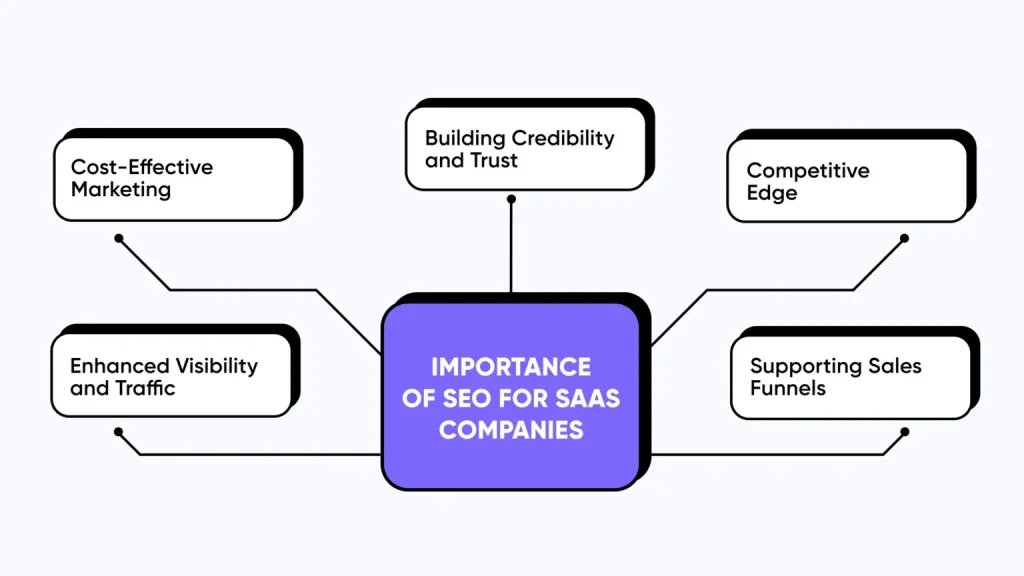
SaaS platforms don’t magically make you rank. What they do is remove friction. They help teams execute faster, stay organised, measure better, and repeat what works. Below are the biggest ways SaaS tools directly support manufacturing visibility.
Source: https://ninjapromo.io/
1. Faster Technical Fixes That Protect Rankings
Technical SEO issues in manufacturing sites are common. Slow load times, messy navigation, broken pages, and duplicate content. These problems don’t just hurt rankings. They make buyers distrust the brand.
- SaaS SEO tools help you spot technical issues early. They crawl your site as search engines do and flag errors before they grow into traffic drops. That means fewer surprises and less reactive work.
- They make prioritisation easier. Instead of treating every issue as urgent, you can see what actually impacts indexing, speed, and user experience. That keeps teams focused on what moves performance.
- Reporting stays consistent over time. You can track fixes, re-crawls, and improvements without relying on manual documentation that gets lost after a sprint.
This creates stability. Visibility becomes harder to lose once you earn it.
2. Cleaner Keyword Research Built Around Real Intent
Manufacturing SEO works when you rank for how buyers search. That usually means process + material + application, not broad industry words.
- SaaS keyword tools surface long-tail intent patterns quickly. They help you find phrases that signal real buying needs, even when volume appears low. That’s exactly where high-quality leads come from.
- Competitive research becomes practical, especially with white label seo software, where you can see what competitor pages rank for and spot gaps in your own site coverage without guessing. This helps manufacturers stop writing random content and start building strategic coverage.
- You can connect keywords to page-level performance. That means you don’t just know what ranks. You know what drives RFQs and qualified conversations.
This is where SaaS tools quietly improve lead quality, not just traffic volume.
3. Content Systems That Keep the Site Updated and Credible
Most manufacturing sites go stale. Capabilities change, but pages don’t. That breaks trust.
- Content planning tools help you build structured content queues. Instead of writing “blogs,” you create pages and guides based on real buyer questions, recurring RFQ patterns, and search trends.
- Collaboration becomes easier. Engineers can review content without long email loops. Sales can add missing details. Marketing can publish without compromising accuracy.
- Updates become repeatable. Instead of rewriting everything, teams can refresh key pages quarterly with new photos, new examples, and clearer specs.
Consistency matters more than frequency. SaaS platforms make consistency easier.
4. Better Performance Tracking Without Messy Spreadsheets
Manufacturers often struggle to connect marketing performance to real outcomes. SaaS fixes that gap by making tracking less manual.
- Analytics platforms show what content buyers actually engage with. Which pages get revisited? Which downloads happen? Where users drop off. These signals help you understand intent.
- Call tracking and form tracking tools connect SEO traffic to sales conversations. Instead of “we got traffic,” you know “this page drove 12 quote requests.” That’s the only metric that matters internally.
- Dashboards reduce reporting chaos. Teams stop debating what happened and start making decisions based on clear numbers.
When leadership sees results tied to revenue, marketing becomes easier to defend and expand.
5. Automation That Supports Long Sales Cycles
Manufacturing sales cycles are long. Leads don’t convert in one session. SaaS tools help you stay visible during that waiting period.
- Email automation keeps buyers engaged without spam. A buyer downloads one guide, then receives two useful follow-ups across a few weeks that explain next steps, common questions, and technical checks. That keeps your brand in the conversation.
- CRM workflows help sales prioritise the right leads. If someone visits three capability pages and requests a spec sheet, that lead should be treated differently from a general inquiry.
- Retargeting becomes smarter. SaaS ad tools allow you to re-engage visitors who showed serious intent rather than chasing everyone who bounced in five seconds.
This is how SaaS tools turn “visibility” into pipeline momentum.
6. Product-Led Credibility Signals That Buyers Actually Trust
Manufacturing buyers don’t convert because you sound convincing. They convert because you look reliable.
- SaaS tools help you build and showcase proof. Case studies, certifications, process documentation, and job galleries can be organised and published faster.
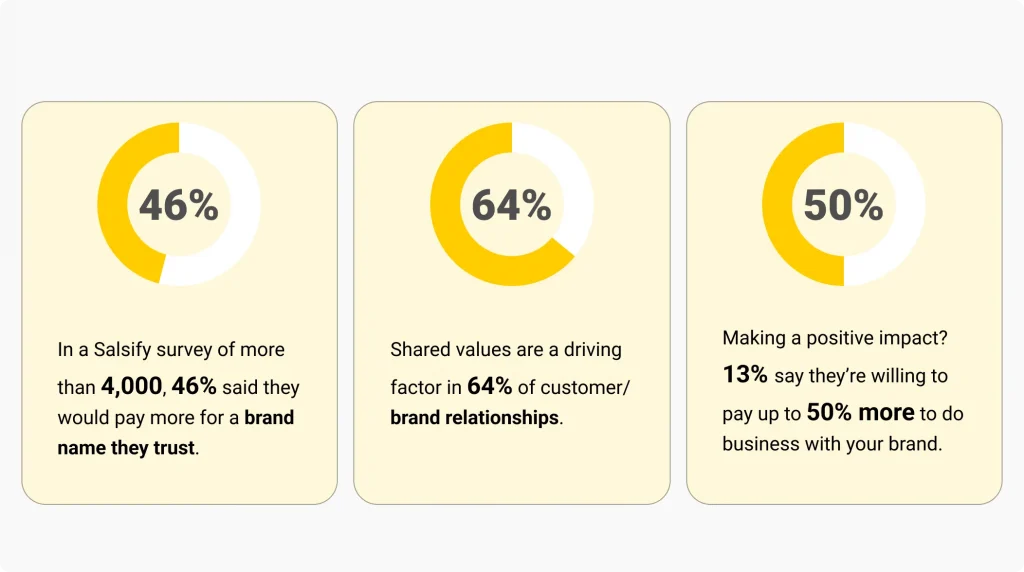
- Review and testimonial systems create consistency. If you rely on scattered reviews, your reputation looks thin. Structured review workflows fill that gap steadily.
- Visual proof becomes easier to manage. Image libraries, asset tagging, and page templates stop the site from becoming cluttered or outdated.
Trust signals improve conversion even when rankings stay the same.
Where SaaS Platforms Stop Helping (and Agencies Still Matter)?
SaaS tools don’t replace judgment. They don’t create a strategy. They don’t understand your buyers better than your sales team does. This is where strong partners still matter.
- Tools can surface keywords, but they can’t choose the right positioning. A good page structure depends on how buyers evaluate suppliers, not just what search volume shows.
- Tools can suggest optimisations, but they won’t write credible manufacturing content on their own. A competent team still has to translate processes into a real language that buyers trust.
- Tools measure activity, but only humans can interpret lead quality and profitability. A ranking that brings low-margin work is not a win.
This is why many manufacturers still rely on manufacturing SEO company. The best agencies pair expertise with tools so execution stays consistent.
How to Choose SaaS Tools That Actually Improve Visibility?
A messy tool stack can slow marketing down, even for an indie SaaS project. The best SaaS is lean, integrated, and outcome-focused.
Source: https://www.ai-bees.io/
#1 Prioritize Tools That Connect to Your CRM
If SEO data never reaches sales, visibility becomes meaningless.
- Choose tools that show which pages led to which leads. This helps sales follow up with context and increases conversion.
- Use systems that tag lead sources clearly. Good tracking reduces debates and improves budgeting decisions.
- Avoid platforms that lock insights inside dashboards. Your team needs data in workflows, not just reports.
Visibility becomes valuable when it’s connected to the pipeline.
#2 Avoid Tools That Create More Work Than They Save
Some platforms produce endless recommendations without priorities.
- If your team spends hours sorting issues without acting, the tool is not helping.
- Choose tools with clear severity scoring and actionable outputs. The best tools reduce effort, not increase it.
- Keep the stack small. Too many tools lead to fragmented reporting and slow decision-making.
Simplicity improves execution speed.
Conclusion
SaaS platforms help manufacturing brands improve online visibility because they turn messy work into structured work. They make technical upkeep easier, keyword targeting clearer, content production more consistent, and measurement less manual. That creates stability. It also makes visibility easier to scale once you see what drives real leads.
But tools alone don’t win. Strategy, positioning, and credible execution still matter. That’s where strong development teams like Appkodes and manufacturing SEO company continue to play a role, especially when visibility needs to translate into qualified RFQs and long-term growth.

Thangamanikandan Bharathan
Starting as an iOS developer and moving up to lead a mobile team at a startup, I've expanded my expertise into Project Management, DevOps and eventually becoming a COO & Chief Service Officer in the IT sector. As a CSO, I excel in team leadership, technical advice, and managing complex business functions, focusing on combining technology and operations to drive growth. I'm keen to connect for collaborations or to exchange insights in the tech world!