10 Tools for You to Feel Like You Have a Co-Founder with You

Starting a business alone is a lot like setting up a beautiful garden without flowers. You may have the soil, the water, and the sunlight, but without the flowers, how will butterflies ever find a reason to stay?
In the same way, you can build your product, set your vision, and push forward life as a founder, but without a co-founder, you often miss that extra spark: the one who brings in new ideas, balances your decisions, and attracts energy into the journey. The absence is felt, even if the basics are strong.
But here’s the good news: today’s digital tools can become those “flowers” in your entrepreneurial garden. There are tools for you to feel like you have a co-founder with you.
Instead of waiting for a co-founder to question your decisions or keep your ideas in check, AI platforms can challenge your thinking and spark creativity. Where a co-founder might have taken care of organization, tools like Notion or Trello can give you the same clarity and accountability.
And when you consider the silent, background tasks a co-founder might have taken on, automation tools like Zapier or Airtable can step in and handle them tirelessly, much like unseen roots keeping the whole garden alive.
This blog will walk you through essential tools that make you feel like you’re never building alone. Each one acts like a different kind of co-founder: the dreamer, the planner, the problem-solver, or the executor with your new startup ideas.
By the end, you’ll see that while you may not have a human partner beside you, you can still create a thriving ecosystem around your startup work culture, one where the “butterflies” of opportunity, growth, and success can finally land.
1. Motion – The Time-Blocking Co-Founder
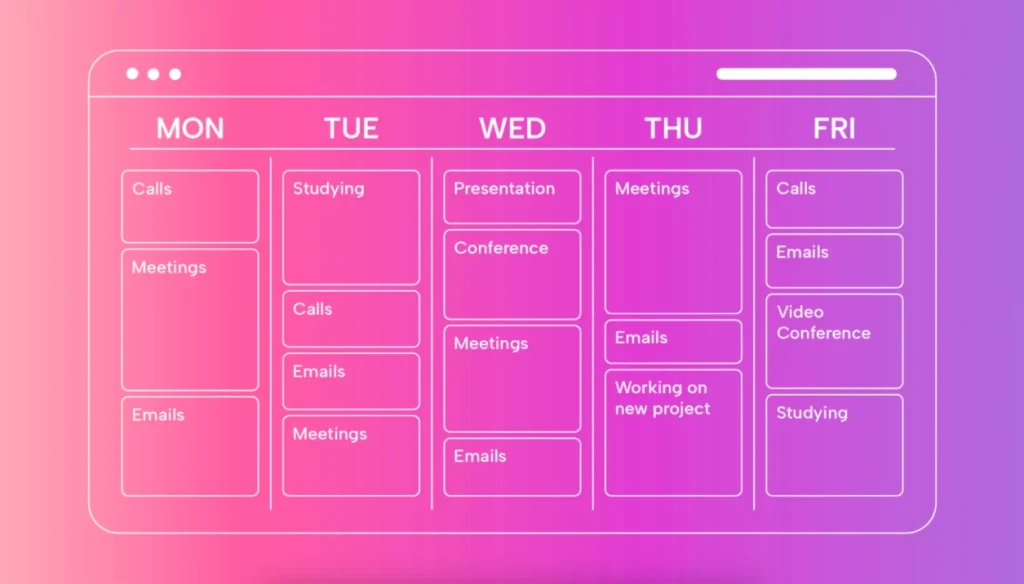
If you’ve ever looked at your to-do list and calendar and felt completely overwhelmed, Motion is the kind of tool that can change everything. Motion is an AI-powered calendar and task manager that doesn’t just hold your events; it actively manages your schedule like a productivity partner.
Here’s how it works: you add tasks, meetings, or deadlines into Motion, and instead of leaving you to figure out when to do them, the tool automatically finds the best time slots in your day. If something changes, like a meeting running late or you falling behind, Motion reshuffles your entire schedule for you, making sure priorities still get done without you manually rearranging everything.
This is especially powerful for solo founders, because without a co-founder or assistant, you’re the one responsible for both big picture work (like product strategy) and small details (like replying to emails). Motion reduces decision fatigue by planning your day for you.
It feels like having a co-founder who acts as your Chief of Time Management, someone who constantly reminds you what to focus on, keeps you on track when things slip, and ensures that no task is forgotten. Instead of wasting mental energy on “when will I do this?”, you get to focus fully on execution.
Source: https://www.usemotion.com/
2. Tability – The OKR Accountability Partner
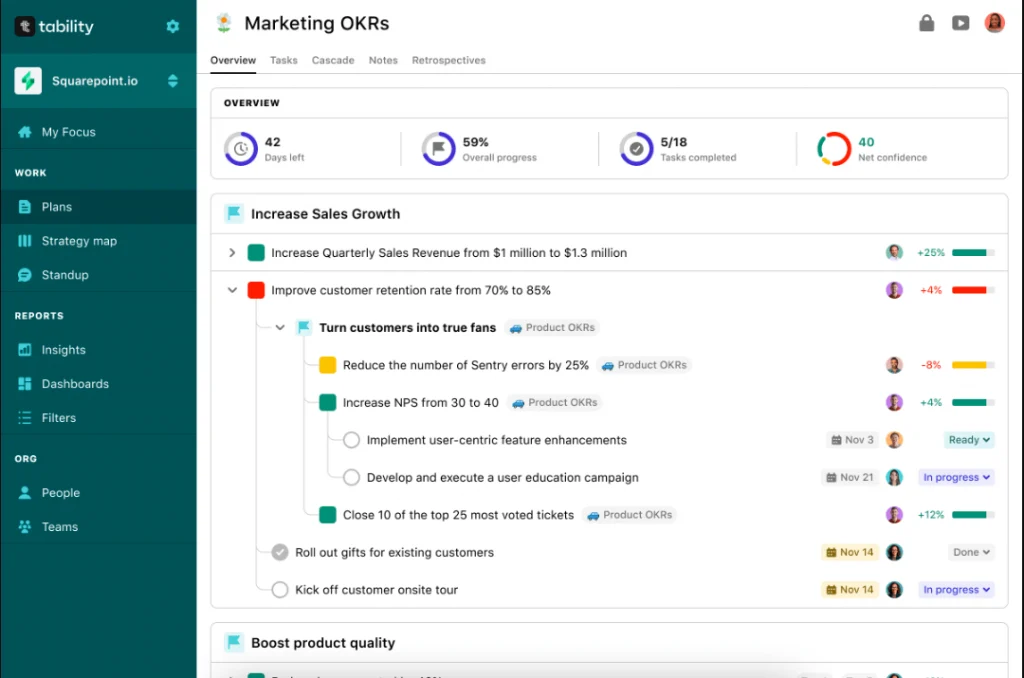
One of the hardest parts of being a solo founder isn’t just starting, it’s staying consistent. Without someone checking in on your progress, it’s easy to lose focus or push deadlines endlessly. That’s where Tability comes in.
Tability is a simple tool built around OKRs (Objectives and Key Results), a popular framework used by top startups to set goals and measure progress. Instead of juggling spreadsheets or bulky project management software, Tability keeps things lightweight. You define your big objectives, break them down into measurable key results, and the tool tracks your progress automatically.
Source: https://www.tability.io/
What makes it powerful for solo founders is its weekly check-ins. The tool prompts you to reflect, update your progress, and adjust if needed. This small ritual keeps your goals visible and prevents them from getting buried under daily tasks. You don’t need a co-founder candidate tapping your shoulder to ask, “Hey, are we still on track?” Tability takes on that role for you.
It feels like having a co-founder whose only job is to hold you accountable. Someone who won’t let you forget the bigger picture, even when you’re buried in the details of product, marketing, or fundraising.
3. FigJam – The Whiteboard Brainstormer
Every founder has moments when ideas feel stuck in their head. Normally, you’d grab a co-founder, sketch out concepts on a whiteboard, and let the back-and-forth spark clarity. But when you’re solo, that dynamic can be missing. That’s where FigJam comes in.
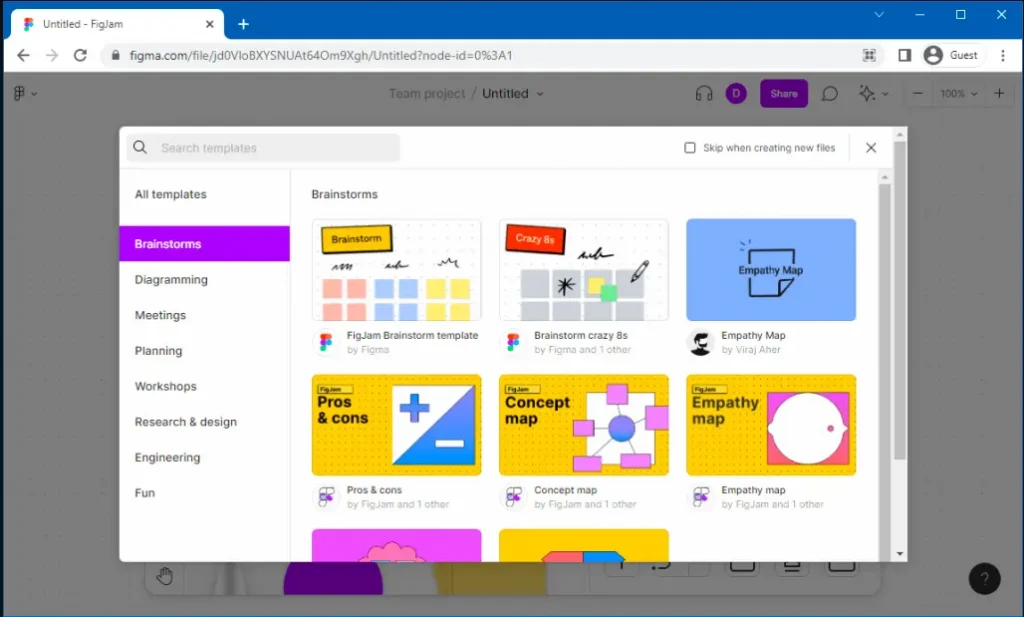
FigJam is an online collaborative whiteboard created by Figma. It gives you a huge digital canvas where you can map out user journeys, brainstorm features, sketch wireframes, or just dump raw thoughts into sticky notes. The beauty of FigJam is its flexibility; you can be messy when you’re brainstorming, structured when you’re mapping flows, or visual when you’re designing processes.
Even if you’re working alone, it gives you the feel of a real workshop. You can move ideas around, connect them visually, and literally see your thought process take shape on screen. And if you do bring in teammates, freelancers, or early users, they can collaborate with you in real-time, just like being in front of a big office whiteboard.
It feels like having a co-founder standing beside you, tossing ideas onto the board, and helping you see connections you might have missed. For solo founders, that visual brainstorming energy is priceless.
Source: https://www.free-power-point-templates.com/
4. Superhuman – The Email Efficiency Partner
Ask any solo founder, and they’ll tell you email can eat up half the day if you’re not careful. Between investor follow-ups, customer queries, partnership requests, and newsletters, your inbox can quickly turn into a time sink. That’s why Superhuman was built to make email blazing fast and distraction-free.
Superhuman is an AI-powered email client designed for speed and focus. It gives you keyboard shortcuts for almost everything, so you can fly through your inbox without touching your mouse. You can set reminders to follow up on important threads, snooze emails until the right time, and let AI prioritize the messages that actually matter. The result? Hours saved every week.
For solo founders, this matters because you don’t have an assistant or co-founder handling communication for you. Every reply, every pitch, every piece of customer support sits on your shoulders. Superhuman acts like a productivity shield, keeping the chaos under control so your inbox doesn’t control your day.
It feels like having a co-founder dedicated to handling communication filtering noise, surfacing what’s urgent, and making sure nothing important slips through the cracks.
5. YAC (Yet Another Communication) – The Async Voice Partner
Sometimes, typing out ideas feels limiting. You just want to say it out loud, capture your thoughts quickly, and move on. Normally, a co-founder would be there to listen, bounce back ideas, and help you untangle messy thinking. But as a solo founder, that sounding board is often missing. That’s where YAC (Yet Another Communication) comes in.
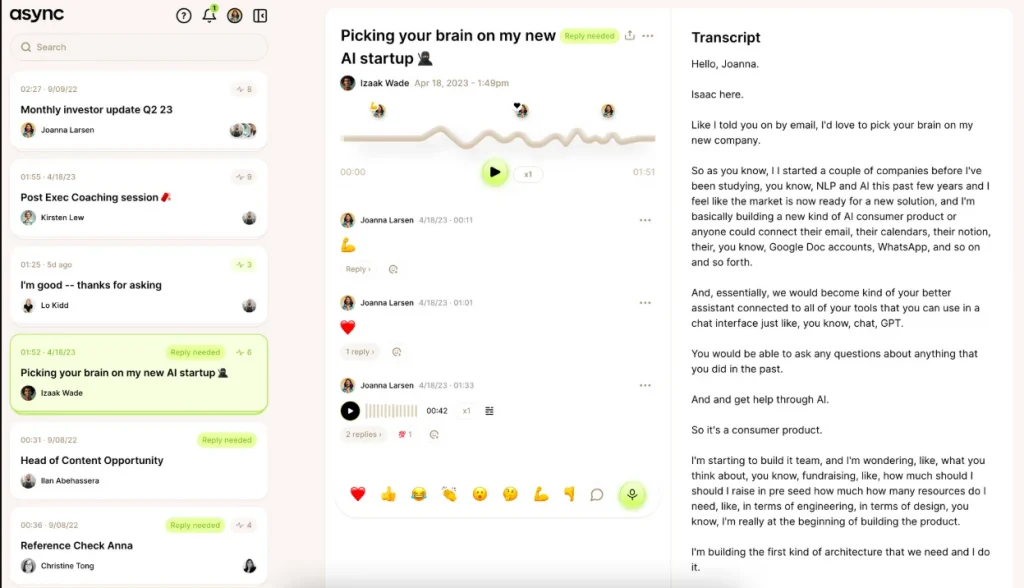
YAC is an asynchronous voice messaging app that lets you record and share short voice notes instead of scheduling a call or writing a long message. Think of it as voice-first communication, you speak naturally, share context faster, and the other person can listen (and respond) when it’s convenient for them. No need to coordinate calendars or block out meeting slots.
For solo founders, this is incredibly helpful when you’re working with freelancers, advisors, or even early team members in different time zones. Instead of waiting for the “perfect time” to chat, you can drop a quick voice note and keep the momentum going.
Even when you’re working completely solo, many founders use YAC as a thinking tool, recording thoughts, re-listening later, and finding clarity in their own words.
It feels like having a co-founder you can talk to anytime, someone you can drop a thought with, knowing that the clarity (or response) will come later, without the pressure of a live meeting.
Source: https://www.yac.com/features/
6. ClickUp – The All-in-One Work Partner
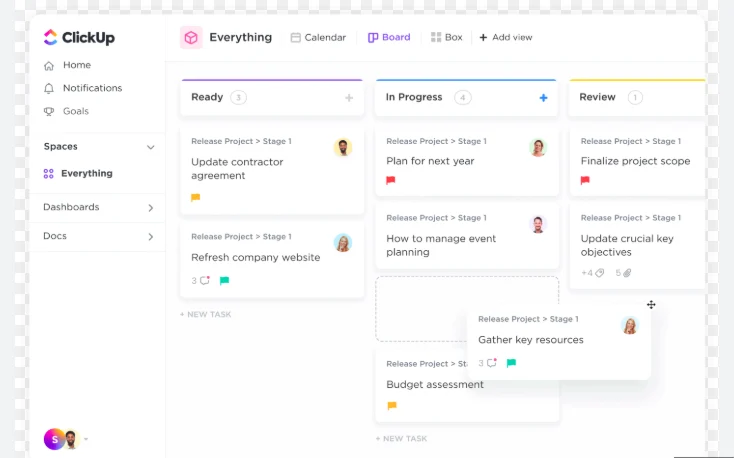
Running a startup solo often means juggling a dozen different tools, one for tasks, another for documents, another for goals, and yet another for dashboards. Switching between them not only eats up time but also scatters your focus. ClickUp solves this by putting everything you need to manage your work into one single platform.
ClickUp combines task management, document writing, goal tracking, and performance dashboards in one place. You can create project boards like Trello, write wikis like Notion, manage goals like OKR software, and even build dashboards to see how things are progressing, all without leaving the app.
What makes ClickUp especially powerful is its customization. You can adapt it to your workflow, whether you’re a founder running client projects, building a product roadmap, or tracking investor outreach.
For solo founders, this is a lifesaver. Instead of losing track of files, scattered notes, or forgotten deadlines, everything stays organized and visible. It cuts down on the mental clutter that comes from managing multiple platforms.
It feels like having a co-founder who thrives on organization, the partner who insists every task, document, and goal has its place, and makes sure nothing slips through the cracks while you focus on building.
Source: https://clickup.com/features
7. Zapier / Make – The Automation Co-Founder
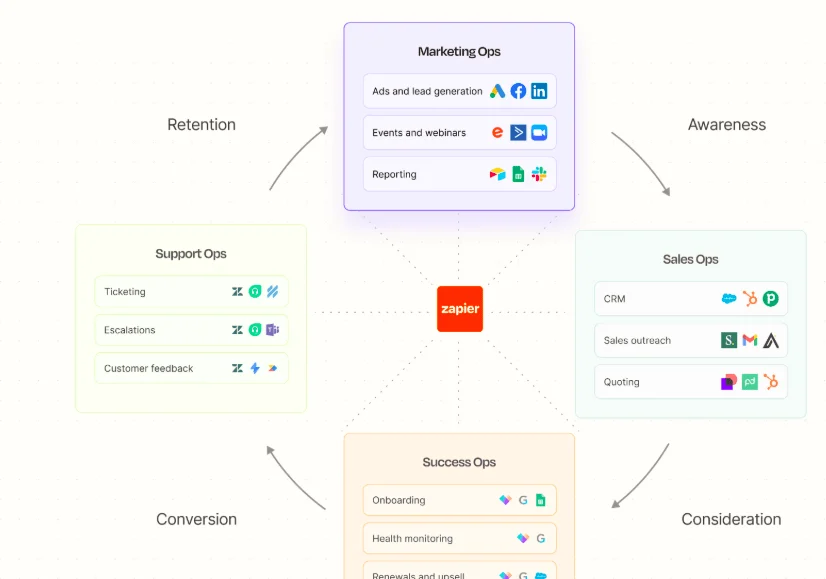
When you’re building solo, every hour counts. But too often, time gets drained by repetitive, low-value tasks like copying data between tools, sending manual notifications, or updating spreadsheets. These small tasks pile up and pull you away from the real work of growing your startup values. That’s where Zapier and Make step in.
Both Zapier and Make are powerful automation platforms that connect the apps you already use and let them “talk” to each other.
Source: https://helpdesk.bitrix24.com/open/13900690/
For example, you can set up an automation where every new signup on your website is instantly added to a Google Sheet, gets a welcome email, and triggers a Slack notification, all without you lifting a finger. Instead of manually doing these things dozens of times, the tools run in the background, like silent assistants.
For solo founders, this means you can scale your output without scaling your workload. You don’t need to hire someone to handle repetitive tasks; automation takes care of them 24/7. Whether it’s lead capture, customer updates, or marketing workflows, these tools handle the grunt work so you can stay focused on strategy and execution.
It feels like having a co-founder who quietly manages all the boring, repetitive jobs the kind of partner who doesn’t need credit but keeps the whole operation running smoothly while you tackle the big-picture challenges.
8. Miro – The Strategy Mapper
Big-picture strategy is one of the toughest parts of being a solo founder. You’re not just executing, you’re also the only one responsible for setting direction, planning next steps, and deciding what to prioritize.
Normally, a co-founder would join you in a strategy session, challenging your ideas and helping you see blind spots. But if you’re building alone, that second mind isn’t always there. That’s where Miro becomes invaluable.
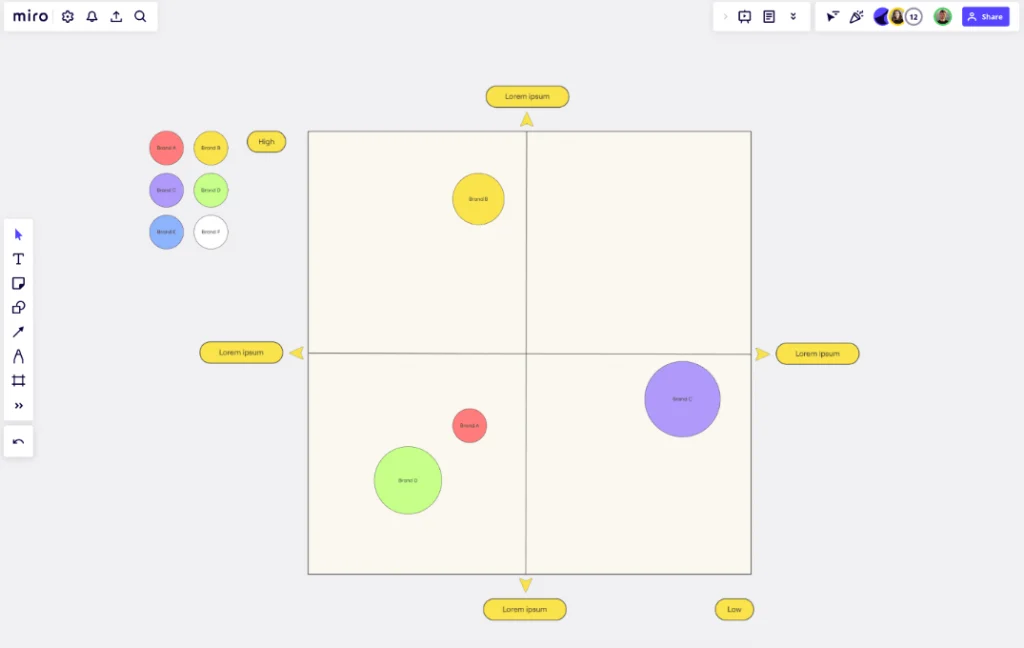
Miro is a visual collaboration platform designed for brainstorming, mind mapping, and strategic planning. It gives you an infinite digital canvas where you can map out product roadmaps, sketch customer journeys, organize feature ideas, or even run full business planning sessions. You can drag, drop, connect, and rearrange pieces visually until your strategy starts to make sense.
Even when you’re working solo, Miro helps simulate the effect of “two minds thinking.” By putting your ideas in front of you visually, you start to spot patterns, gaps, and opportunities you might miss in a simple text document.
Source: https://miro.com/strategic-planning/strategic-group-map/
And if you ever bring in advisors, freelancers, or early teammates, they can jump in to collaborate with you in real time, making remote strategy sessions feel like you’re all in the same room.
It feels like having a co-founder speed dating right beside you in a strategy meeting, someone who helps you see the bigger picture, challenge assumptions, and create a clear path forward instead of staying stuck in your head.
9. Tally – The Simple Validation Partner
One of the biggest traps solo founders fall into is building too much before testing if anyone even wants it. Validation is the safety net; it tells you whether your idea has real demand before you pour months of work into it. That’s where Tally makes life much easier.
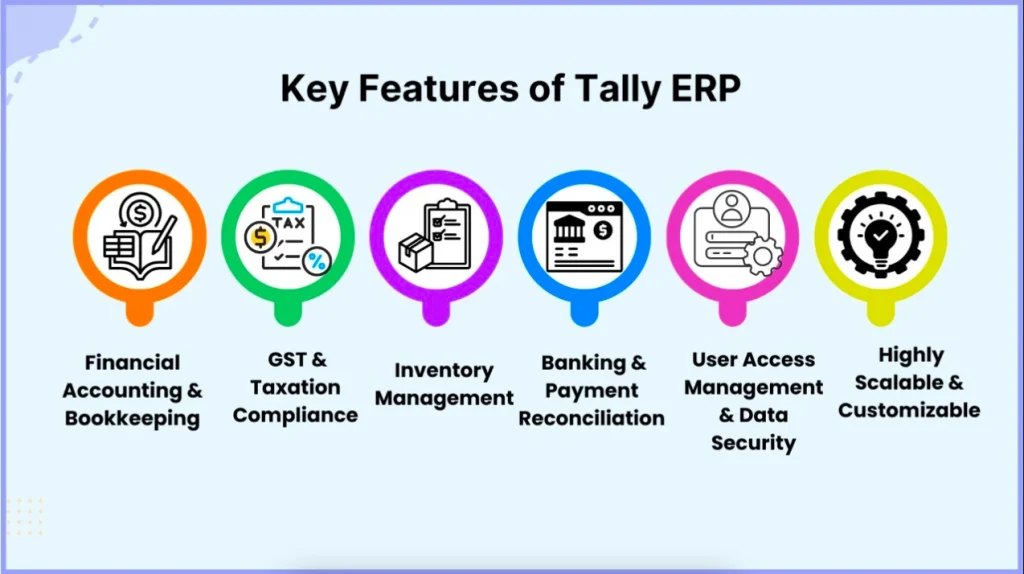
Tally is a free, no-code form builder that feels like Google Forms but far more modern, flexible, and beautifully simple. You can spin up forms in minutes to collect waitlist signups, run quick surveys, or ask for customer feedback. It also integrates seamlessly with tools like Notion, Zapier, and Slack, so your data flows right where you need it.
For solo founders, Tally becomes the ultimate validation tool. Instead of guessing, you can put up a landing page, link a Tally form, and start gathering responses right away. Whether you’re testing a new feature idea, collecting emails for a beta launch, or simply asking users what they need, Tally gives you insights without extra cost or complexity.
It feels like having potential co-founders who constantly say, “Let’s test this before we build it.” Someone who pushes you to experiment small, learn fast, and validate ideas instead of sinking endless hours into assumptions.
Source: https://www.netforchoice.com/
10. DailyBot – The Virtual Stand-Up Partner
One of the hardest things about working solo is the lack of structure. In a team, you’d usually start the day with a quick stand-up meeting, set priorities, and end the week with a check-in. Alone, it’s tempting to skip that reflection, which can lead to drifting or burnout. DailyBot helps bring that discipline back into your workflow.
DailyBot is a bot that integrates with Slack, Microsoft Teams, or Discord to run asynchronous check-ins, progress reports, and even mood tracking. Every day, it asks simple but powerful questions: What did you do yesterday? What are you focusing on today? Any blockers? You answer directly in chat, and over time, it creates a record of your consistency and progress.
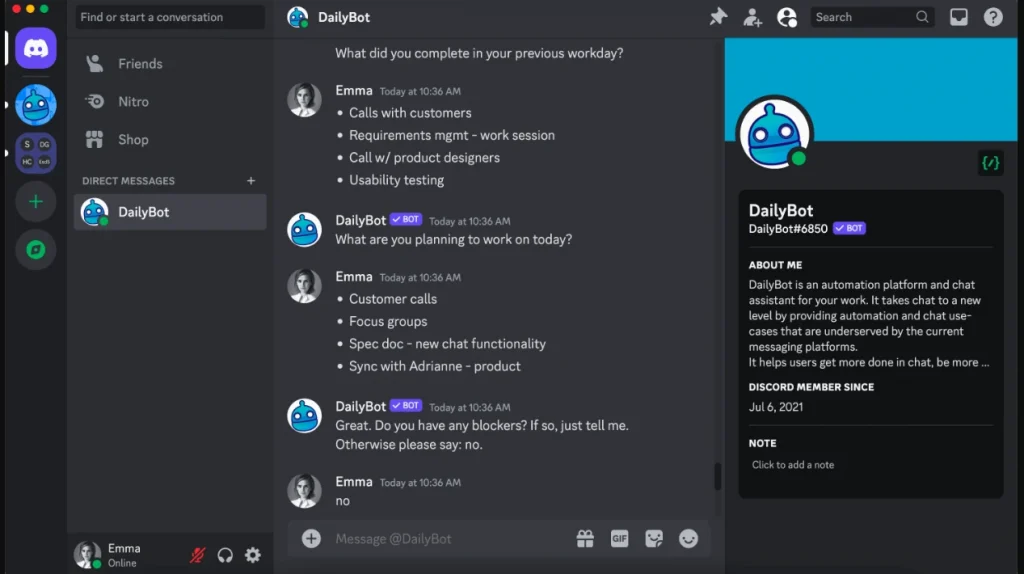
Source: https://www.dailybot.com/integrate/gchat
For solo founders, this is more than just a productivity hack; it’s a way to hold yourself accountable. The act of writing down what you’ve done and what you’ll do next creates momentum. It forces you to reflect and spot patterns, just like a co-founder would in a quick daily sync.
It feels like having a co-founder who checks in with you every morning, listens to your updates, and makes sure you stay aligned with your goals even though it’s just you and a bot.
How to Choose the Right Co-Founder Platforms Without Overwhelming Yourself
Choosing tools is a lot like choosing technical co-founders; you don’t need dozens, you just need the right ones. Instead of trying every shiny new app you hear about, start small and be strategic. Here’s a simple playbook you can follow:
Step 1: Identify Your Weak Spots
Every startup founder’s life has blind spots. Maybe you’re strong at building but weak at design. Or you love strategy but struggle with marketing execution. Write down the areas where you constantly feel stuck or drained. This is your first clue because tools work best when they cover gaps, not when they pile onto strengths you already have.
Step 2: Match Tools to Missing Co-Founder Roles
Imagine if you could add possible co-founders right now. Which role would make your life easier? Tech? Design? Organization? Marketing? Finance?
- If it’s design, try a visual tool like Canva or Figma.
- If it’s an organization, tools like Notion or ClickUp can act as your operations brain.
- If it’s marketing, start with lightweight survey and landing page tools like Tally or Carrd.
This framing keeps you from downloading random apps and instead aligns every tool with a role in your business.
Step 3: Start Small, Test, and Commit
The biggest trap is tool overload. You don’t need 10 platforms; you only need 2–3 that move the needle. Pick a couple, use them in your real workflow for a week or two, and pay attention: are they saving time, reducing stress, or making your work better? If yes, keep them. If not, cut them immediately. Tools should feel like teammates, not extra chores.
Example: One indie founder launched a side project with just Notion for organization and Carrd for a simple landing page. That was enough to get early users interested.
Only later, once they started growing, did they add analytics and automation tools. They didn’t start with a bloated stack; they started lean and let the project dictate what came next.
Step 4: Grow Only When You Need To
As your project expands, new challenges will appear, maybe finance tracking, advanced analytics, or automation. That’s the time to add more tools. Start lean, then grow your stack only when the pain point becomes real.
Tools + Appkodes: The Perfect Combo for Solo Startup Success
Building a startup idea alone can feel like climbing a mountain without a rope. But the right tools transform that climb into a guided expedition. The tools we explored aren’t the usual suspects you find in every “founder toolkit” article.
They’re designed to cover the gaps a real co-founder would whether that’s brainstorming with you at 2 AM, holding you accountable, managing chaos, or automating the dull but necessary tasks.
The truth is, no tool can replace the passion, creativity, or drive you bring as a founder. But they can make you feel supported, challenged, and structured when the journey gets tough. Think of them as digital co-founders who never get tired, never miss a stand-up, and always bring their A-game.
That said, tools alone can’t always take your idea from concept to market. This is where Appkodes, the best co-founder, steps in. Appkodes specializes in building scalable, customizable, and market-ready software solutions from MVPs to full-fledged platforms.
Whether you’re launching a marketplace, a healthcare app, or an on-demand service, Appkodes, a leading startup mobile app development company, provides the technical muscle and strategic guidance that many solo founders lack.
In other words, they act like a right co-founder team to back your vision that build founder trust, handling design, development, compliance, and scaling, so you can focus on growth.
So, as you take the next step in your solo journey, don’t just ask yourself, “What do I need to do?” Ask instead, “Which co-founder role am I missing and which tool or partner can step in?” With the right stack and support from Appkodes, you’ll not only build smarter, but you’ll also feel far less alone on the path.

Arun Andiselvam
Founder of AppKodes. As a serial entrepreneur, I have successfully established five brands over the past 12 years. After creating a successful rank tracker for SEO agencies, I am currently dedicated to developing the world's first SEO Project Management software.