How Automated Asset Tracking Can Save You Time and Money
Resource management is a cornerstone of successful business operations across all industries. In today’s technology-driven world, companies need better solutions to manage their valuable assets effectively. Traditional manual methods are no longer sufficient for modern business demands.
Automated asset tracking systems provide a powerful solution that helps simplify processes while delivering cost-effective and time-saving results. Learning how these systems work and the advantages they bring can mean better business decisions for your organization.
Understanding Automated Asset Tracking
Automated asset tracking means tracking and managing physical assets using technology. Equipment, vehicles, or even inventory can fall under this category. With the help of barcodes, RFID tags, or GPS, businesses can maintain accurate records of where assets are located and what condition they are in.
Leveraging automation replaces manual methods that involve tracking this information by hand, which can be prone to errors and time-consuming for staff members.
Source: https://bionictechnologies.in/
Improving Efficiency and Accuracy
Automated tracking makes operations much more effective, which is one of its biggest advantages. Real-time data collection lets businesses spend less time on inventory checking and audits throughout the year.
With automation, there are reduced human errors, and this means accurate record keeping as well. As a result, resources can be allocated correctly, and there is less risk of asset loss or theft.
Cost Savings Through Automation
One of the main advantages for companies looking into automated tracking is financial benefits. This enables companies to reduce operational costs by minimizing manual labor requirements.
It also identifies assets that are being underutilized, highlighting areas where businesses can avoid unnecessary purchases or rentals. Finally, accurate tracking helps prevent asset loss and can save meaningful amounts of money in the long run.
Improved Asset Utilization
Detailed visibility of what assets are in use is essential for effective resource optimization. The automated system gives you better insights into how frequently and for how long the assets are being used.
According to the U.S. Department of Energy, proper asset utilization can reduce operational costs by up to 30% in industrial settings. This information helps prepare maintenance plans that increase the lifespan of machinery. When used correctly, it guarantees the best return on investment for companies of all sizes.
Better Maintenance Management
Maintenance is always important for any asset-heavy business operation. Automated tracking systems enable proactive maintenance by sending alerts based on how frequently an asset is used or its operational hours.
This minimizes the risk of future breakdowns and expensive repairs that can disrupt business operations. Using proper maintenance scheduling keeps your assets functioning correctly, which can lead to smoother day-to-day operations.
Better Decision-Making
Real-time data access gives businesses the power to make informed decisions quickly. By using ZenRows for data extraction, organizations can efficiently gather structured insights from diverse online sources to enhance the accuracy and speed of their decision-making processes. Managers can easily spot trends and patterns with detailed reports and analytics provided by the system.
This data aids in strategic planning and goal-setting for the future. Better forecasting capabilities mean automated tracking can help businesses prepare for what they need and avoid potential problems before they occur.
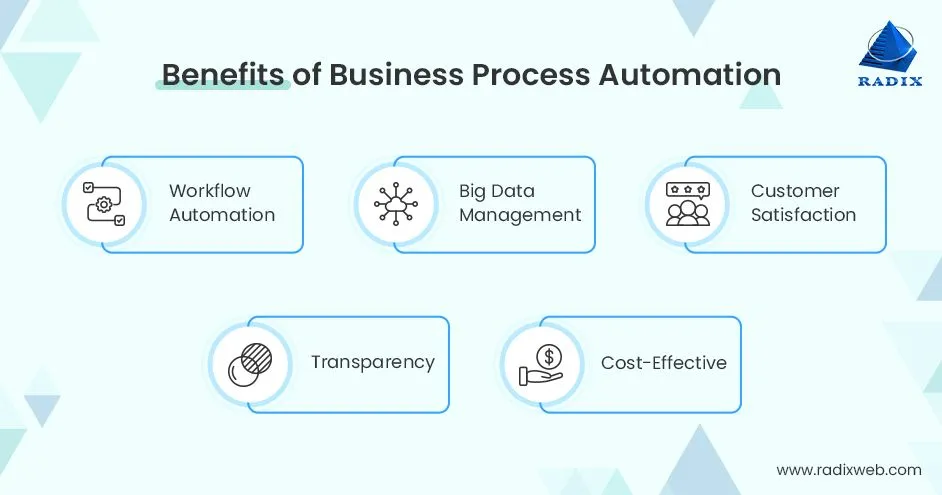
Source: https://radixweb.com/
Increasing Productivity
Asset tracking automation lets businesses focus more on their core activities rather than administrative work. Employees will spend less time looking for assets or doing manual inventory checks.
This increases productivity and allows teams to focus on work that requires professional skills and creativity. The improved process motivates the workforce and eventually leads to better overall performance.
Meeting Compliance and Security Requirements
For many industries, regulatory compliance is a major concern for business operations. Automated systems help prevent misinformation from entering processes, which is essential to staying compliant with industry standards and regulations.
Furthermore, they also improve security by keeping detailed logs of asset movement throughout facilities. This allows businesses to quickly spot any irregularities, helping to protect their assets from unauthorized access or theft.
Adapting to Changing Needs
The asset management needs of businesses change as they scale and grow. Automated systems are scalable, so companies can adjust their tracking capabilities based on current requirements.
This adaptability helps businesses continue operations smoothly, no matter how fast they grow or change. Being flexible enables businesses to respond to market changes and customer demands quickly.
Conclusion
For businesses aiming to streamline operations and boost profits, automated asset tracking is a game-changer. This technology helps companies track resources with greater accuracy, improve decision-making, and cut unnecessary costs.
Beyond savings, it also enhances productivity, ensures compliance, and strengthens security. In today’s fast-moving market, more and more organizations are adopting automated tracking systems to stay competitive and one step ahead.
Many companies hesitate to adopt automation because, when combined with poor AI integration, it can be disastrous for business operations instead of improving them. This is where the Appkodes development team can help, offering solutions that ensure smooth and effective software automation.

Thangamanikandan Bharathan
Starting as an iOS developer and moving up to lead a mobile team at a startup, I've expanded my expertise into Project Management, DevOps and eventually becoming a COO & Chief Service Officer in the IT sector. As a CSO, I excel in team leadership, technical advice, and managing complex business functions, focusing on combining technology and operations to drive growth. I'm keen to connect for collaborations or to exchange insights in the tech world!