Best CodeCanyon Alternatives in 2026: Where to Buy & Sell Scripts

For years, developers looking to buy or sell digital products turned to Envato and the CodeCanyon marketplace for web scripts, which later became a byword for finding mobile app templates, plugins, and other development tools all in one go. Rather than starting from scratch, developers could grab a script off the shelf and fire up a new product a whole lot quicker.
For sellers, this opened up a world of potential customers. Meanwhile, buyers could tap into a massive library of development resources with just a few clicks.
Over time, the ecosystem around CodeCanyon grew to the point where it became the go-to place for startups, freelancers, and agencies. Need a booking system or an e-commerce script? – usually, there was something ready to go that you could pick up & run with. The platform soon became an indispensable part of the digital product market for many years.
However, as the market grew, so did the problems. Developers have been complaining about CodeCanyon’s strict approval processes, the high fees taken on every sale, and the limited control they have over their own products.
Then there are the buyers: the ones who sometimes find it a nightmare to track down well-maintained, high-quality scripts from among thousands of dodgy-looking listings. All too often, the products are outdated, or the support is poor.
So the question many developers are asking these days is: are the days of CodeCanyon, the leading digital marketplace for buying and selling digital products, numbered?
As the industry continues to evolve, new platforms are emerging that take a different approach, focusing on higher-quality products, fairer pricing, and stronger developer communities. In this guide, we’ll examine why the market is slowly shifting away from CodeCanyon and the Best CodeCanyon Alternatives in 2026 that are starting to attract industry attention.
Why Developers are Looking for CodeCanyon Alternatives
Many developers turn to CodeCanyon as their first choice for buying or selling ready-made scripts. It also comes with challenges that both buyers and sellers often.
1. High Author Fees
One of the biggest concerns for sellers is the commission structure. Envato takes between 12.5% and 37.5% from every sale, depending on the seller’s status and exclusivity.
For independent developers, this can make a noticeable difference in earnings. For example, if a script is priced at $40, the developer may end up receiving much less after commissions and other deductions. Over time, this can feel discouraging for creators who spend weeks or months building and maintaining their products.
2. Slow and Strict Review Process
Another common frustration is the review process. Every product submitted to CodeCanyon must pass a manual review before it becomes available for sale. While quality control is important, developers often mention that approvals can take several days or even weeks.
In some cases, small issues like documentation formatting or minor interface details may result in rejection, requiring the author to revise and resubmit the product. This can delay launches and slow down the process of getting a product to market.
3. A Highly Saturated Marketplace
Over the years, CodeCanyon has grown into a massive script marketplace with tens of thousands of items available across different categories. While this large selection benefits buyers, it can make things difficult for new sellers.
When a developer uploads a new product, it can easily get lost among thousands of similar scripts. Without strong marketing or featured placement, many products struggle to gain visibility.
4. Outdated or Abandoned Products
Another issue that buyers sometimes encounter is outdated code. Some scripts listed on the platform were built years ago and may not be actively maintained anymore.
For instance, a developer might purchase a mobile app template only to realize that it relies on older frameworks or libraries that are no longer widely supported. This can create additional work when trying to integrate the script into a modern project.
5. Post-Purchase Support Issues
The quality of support can differ wildly from one seller to another. Sure, many devs are super helpful and willing to lend a hand, but others just drop off the face of the earth as soon as they’ve made the sale.
When you’re trying to get some script installed or debugged, and the seller’s not responding to your questions, it can get really frustrating – especially when you’re on a tight deadline for a current project.
6. Licensing and Refund Concerns
And then there’s the chaos of licensing and refunds. CodeCanyon has loads of different license types, and new buyers can’t always figure out which one fits their specific project needs.
To make matters worse, refund requests often require a back-and-forth with the seller first, and there’s no guarantee its gonna get approved. For people looking for a quick fix, this process can be a total minefield.
What to Look for in a CodeCanyon Alternative
When developers start looking beyond CodeCanyon, their goal is simple: discover a source-code marketplace that’s easier to navigate and genuinely dependable in the long run. The ideal platform doesn’t just offer useful, affordable web scripts; it makes the entire experience seamless for both buyers and sellers. By focusing on a few key factors, developers can spot marketplaces that deliver real value, rather than just a long list of options.
1. Fair and Transparent Pricing
Pricing transparency is one of the first things developers tend to notice. When a platform clearly explains its commission rates and fees, it removes a lot of uncertainty for sellers.
Developers want to know exactly how much they will earn from a sale without worrying about hidden charges appearing later. Clear pricing also helps buyers feel confident that they understand what they are paying for.
2. Strong Quality Control
The overall quality of products on a marketplace can make a huge difference. Platforms that focus on reviewing or curating their listings often provide a better experience for users.
Instead of sorting through a large number of outdated or unreliable scripts, buyers can find tools that are tested, functional, and built with modern development practices in mind.
3. Responsive Developer Support
Support becomes especially important after a purchase. Even well-designed scripts may require installation help or minor customization. Marketplaces that encourage developers to respond quickly to user questions create a more dependable environment. Knowing that help is available when needed makes buyers far more comfortable using a product in real projects.
4. Regular Updates and Version History
Because technology changes quickly, scripts need regular updates to stay relevant. Marketplaces that show version history and update timelines help buyers understand whether a product is actively maintained. Products that receive consistent updates are usually easier to integrate into current development environments.
5. Clear and Simple Licensing
Licensing can sometimes be confusing, especially for new buyers. A good marketplace keeps things simple by clearly explaining how a product can be used — whether it is for a single project, multiple installations, or commercial applications. Straightforward licensing reduces misunderstandings and allows developers to focus on building their projects.
6. Secure Payments and Instant Downloads
A smooth purchasing experience is equally important. Secure payment systems ensure transactions are safe, while instant downloads allow developers to start using their purchase immediately. This convenience is something most developers expect from a professional digital marketplace.
7. Active Community and Documentation
Strong communities often make marketplaces more valuable. Discussion forums, user reviews, and well-written documentation help developers learn how to install and customize scripts more easily. When helpful resources are available, developers can solve problems faster without relying solely on direct support.
8. Live Demos and Buyer Protection
Being able to try a live demo before purchasing is another feature developers appreciate. It allows them to see how a product works in practice and decide if it meets their needs. When this is combined with clear refund policies or buyer protection, it creates a safer and more trustworthy purchasing experience.
When marketplaces focus on these elements, they create an environment where developers feel confident buying tools and sellers feel motivated to continue building and improving their products.
Best CodeCanyon Alternatives in 2026
Over the years, CodeCanyon has helped many developers discover ready-made scripts and digital tools. However, as the marketplace has grown, increasing competition and inconsistent product quality have slowed review processes and limited post-purchase support.
Because of this, many developers and startups have started exploring alternative marketplaces. Instead of browsing through thousands of mixed listings, these platforms aim to provide well-maintained products that are easier to integrate into real-world projects.
Some marketplaces focus on curated scripts, others emphasize direct developer support, while a few are backed by established software companies that actively maintain their products. These differences can significantly impact the overall experience for both buyers and sellers.
Below are some of the most Best CodeCanyon Alternatives in 2026 that developers are considering today, starting with a platform that takes a curated, developer-first approach.
#1 AppKodes Store
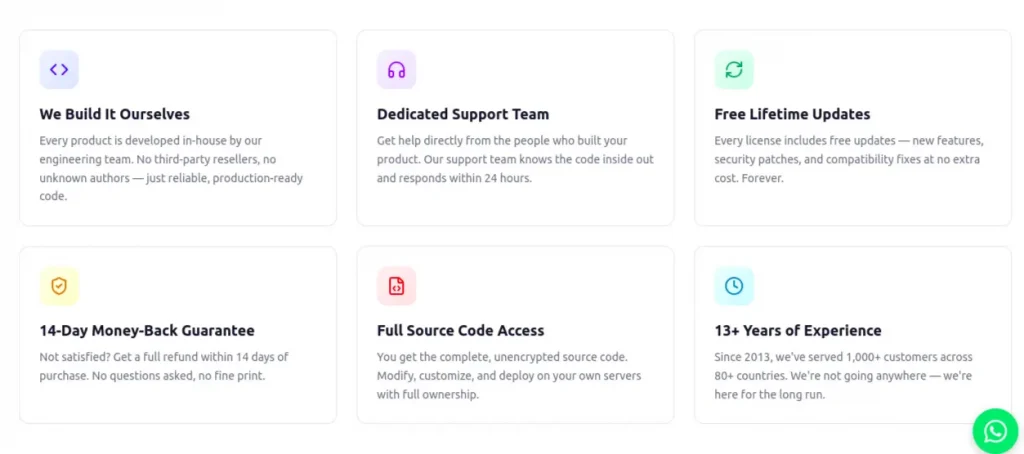
The platform is developed by Hitasoft Technologies, a software development company with more than 10 years of experience in building custom applications and scalable digital platforms. Our background in real-world software development is reflected in the way the products are structured, documented, and maintained.
Key Differentiators
Curated and quality-tested products: Unlike large marketplaces filled with thousands of uploads, the website clone Scripts available here are carefully selected and tested before being offered to buyers.
Direct developer support: Buyers can reach the actual development team for help, rather than depending on third-party authors or community forums.
Transparent pricing: The pricing structure is simple and clearly displayed, without confusing commission models or hidden costs, making it a great choice for anyone looking for a low commission script marketplace.
Regular updates and visible version history: Products are actively maintained, and buyers can track updates through a clear version history.
Simple licensing model: Scripts are typically offered under Regular (single use) and Extended (multiple use) licenses, making usage rights easy to understand.
Live demos available: Each product includes a demo so users can explore the interface and functionality before purchasing.
Dedicated support system: A proper ticket-based support system ensures that questions or technical issues receive structured responses.
Backed by an established company: The platform is supported by a professional software development team with a proven track record in the industry.
Best For
- Buyers who want reliable scripts with ongoing technical support
- Startups and entrepreneurs looking for production-ready source code online to launch faster
- Agencies searching for customizable or white-label software solutions for their clients
- If you’re wondering where to buy PHP scripts, searching for the best place to buy website templates, or planning to buy ready-made app source code, it’s important to choose a platform that offers quality and reliability.
Unlike open marketplaces like CodeCanyon, AppKodes Store focuses on a more controlled approach. The scripts are developed and managed by our dedicated team, ensuring better quality, regular updates, and dependable support for real-world business needs.
#2 Codester
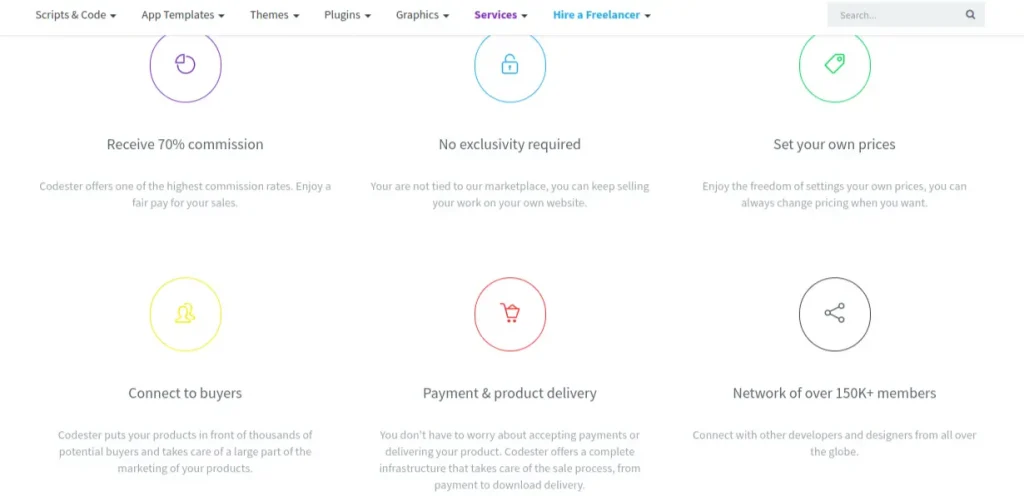
Codester is an online marketplace where independent developers can buy and sell digital products such as scripts, app templates, website themes, and plugins. It provides a platform for creators to distribute their work while allowing buyers to access ready-made development resources.
One of the reasons some developers choose Codester is its relatively lower commission rate. The platform typically charges around 30% per sale, which is slightly lower than the commission taken by marketplaces like CodeCanyon.
Product Categories
- PHP scripts
- Mobile app templates
- Website themes
- Plugins and development tools
These categories make it a useful resource for developers who want to speed up development by using pre-built components.
Advantage
Compared to larger marketplaces, Codester is less saturated, which can make it easier for new sellers to gain visibility. Buyers may also find unique scripts that are not widely available on other platforms.
Limitations
Since the platform’s review process is generally less strict, product quality can vary across listings. Some scripts are well-developed and regularly updated, while others may require additional testing or customization before being used in production projects.
#3 TemplateMonster
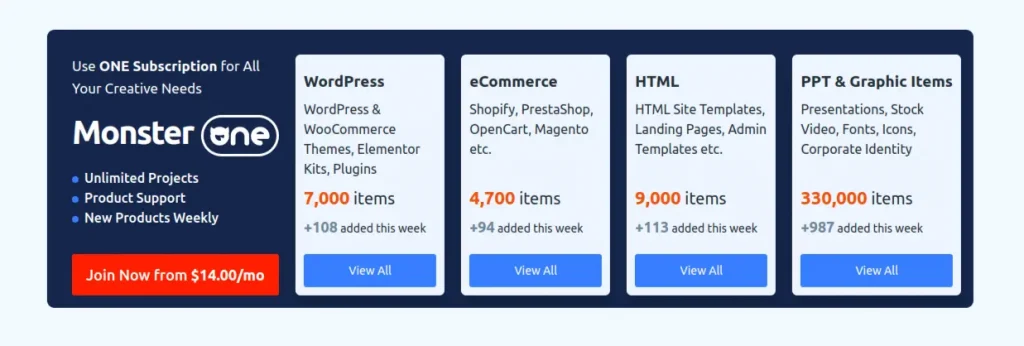
TemplateMonster is a long-established digital marketplace known primarily for website templates and design assets. Over the years, it has expanded its catalog to include scripts, plugins, and other development resources, making it another option developers sometimes consider alongside platforms like CodeCanyon.
TemplateMonster has built a strong reputation in the web design ecosystem. Because the marketplace has been around for many years, it attracts a large global customer base and provides structured purchasing processes that many buyers trust.
Product Categories
- Website templates
- WordPress themes
- E-commerce templates
- Plugins and scripts
- UI kits and design assets
While the platform started with templates, it has gradually expanded into additional digital product categories.
Advantage
One of the key advantages of TemplateMonster is its established brand and buyer protection policies. The platform offers secure purchasing, clear product listings, and structured support systems, which can provide reassurance for buyers purchasing digital assets online.
Limitations
Despite expanding its offerings, TemplateMonster is still primarily focused on templates and design products. Compared to script-focused marketplaces, the selection of development scripts and application source code is relatively limited.
#4 Creative Market
Creative Market is a digital marketplace mainly focused on design resources. While it does include some code-related assets, the platform is best known for selling creative products such as fonts, templates, graphics, and UI kits.
One of the reasons many creators prefer Creative Market is its clean interface and strong creative community. Designers and digital creators actively use the platform to share resources, making it a popular place for creative assets and visual tools.

Product Categories
- Design templates
- Fonts and typography
- Graphics and illustrations
- UI kits and digital assets
- Some website themes and code-related resources
Advantage
Creative Market offers a well-organized storefront system, allowing creators to present their products professionally. The strong community and active creator ecosystem also make it easier for buyers to discover high-quality design resources.
Limitations
Although the platform includes some development-related assets, it is not primarily focused on scripts or software products. Most listings revolve around design and creative resources rather than production-ready application code.
#5 Gumroad
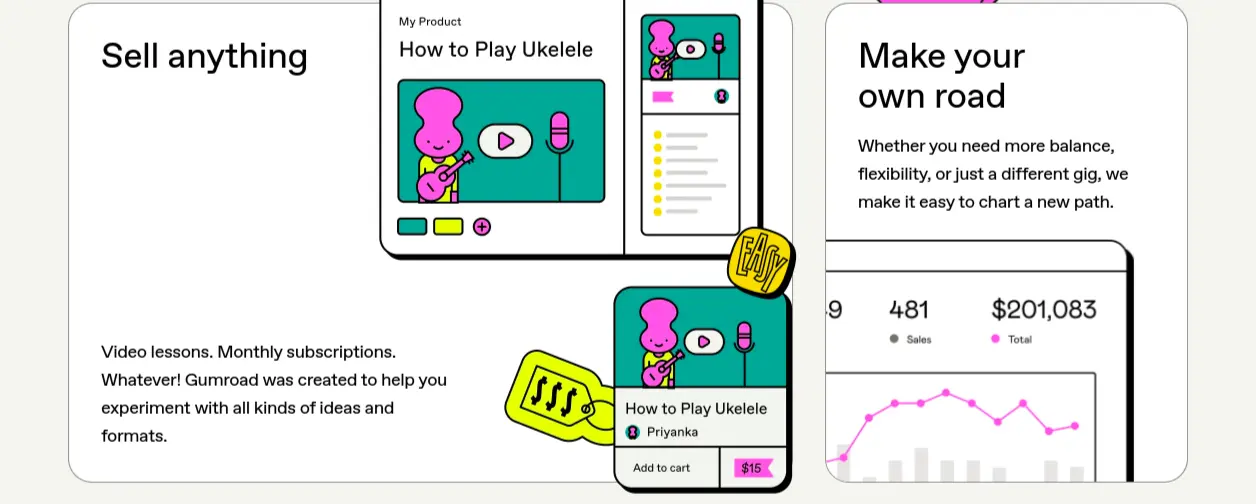
Gumroad is a platform that allows creators to sell digital products directly to their audience. Instead of operating like a traditional marketplace, it functions more like a self-hosted storefront where developers can list and sell their own scripts, tools, or resources.
One of Gumroad’s biggest advantages is the freedom it gives creators. Developers can control their pricing, branding, and product presentation without relying on marketplace approval processes.
Product Categories
- Digital products
- Software tools
- Scripts and code resources
- Online courses and ebooks
- Creative assets
Advantage
Because creators manage their own storefronts, they have full control over pricing, updates, and marketing. This makes Gumroad attractive for developers who already have an audience and want to sell directly to their users.
Limitations
Unlike curated marketplaces, Gumroad does not review or verify product quality. Buyers must rely on the creator’s reputation and product description, which means there is no built-in guarantee of quality or long-term support.
#6 GitHub Marketplace
GitHub Marketplace is a platform integrated with GitHub that allows developers to discover tools, integrations, and extensions designed to improve the development workflow.
Because it is connected to GitHub’s ecosystem, the marketplace is widely trusted by the developer community. Many of the tools listed there are used for automation, CI/CD, project management, and developer productivity.
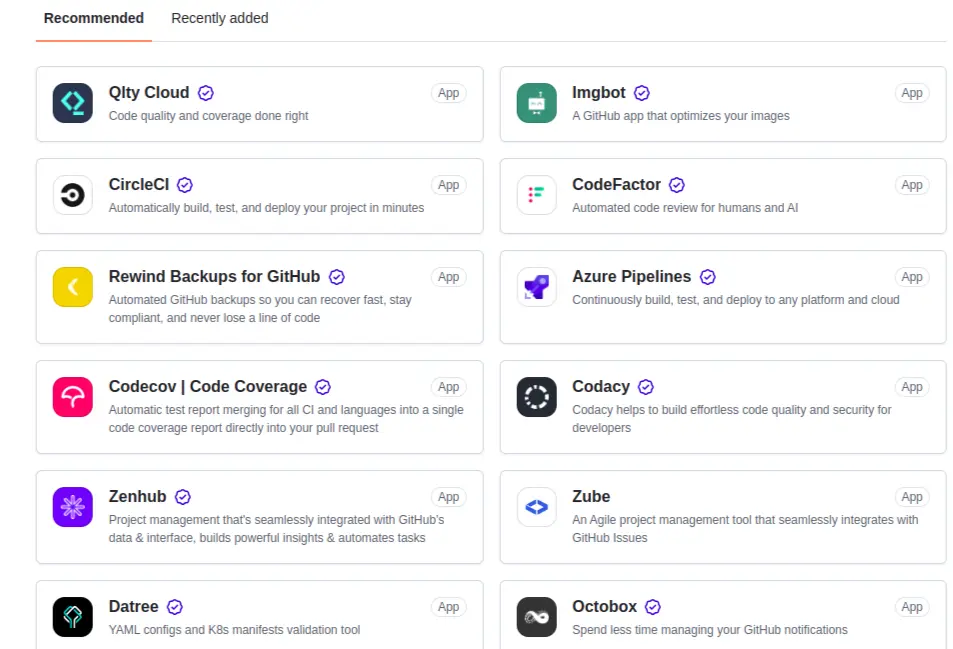
Product Categories
- Developer tools
- Workflow automation tools
- CI/CD integrations
- Security and monitoring tools
- Extensions for development environments
Advantage
GitHub Marketplace benefits from the credibility of GitHub’s platform and its large developer community. Many tools are built by established companies or open-source contributors, making it a reliable source for development integrations.
Limitations
Unlike traditional script marketplaces, GitHub Marketplace is not focused on selling full application source code or ready-made scripts. Most listings are tools or integrations designed to enhance development workflows rather than standalone products.
AppKodes Store vs CodeCanyon
Choosing where you get your software from matters more than it seems. Working with a company like Hitasoft gives you a clearer support system, consistent communication, and a product that’s built with long-term use in mind. This can make a big difference when you’re running a serious project instead of experimenting.
| Feature | CodeCanyon (Envato) | AppKodes Store (Hitasoft) |
| Product Curation | Anyone can upload; quality varies | Hand-picked, quality-tested only |
| Number of Products | 60,000+ (focus on quantity) | Smaller, focused catalog (quality over quantity) |
| Developer Support | Community forums; depends on author | Direct from the development team; guaranteed response |
| Author Commission | 12.5% – 37.5% | Lower, transparent fees |
| Update Frequency | Varies widely; many abandoned | Regular updates; visible version history |
| Licensing Clarity | Complex, multi-tier | Simple: Regular & Extended |
| Live Demos | Sometimes available | Available for every product |
| Refund Policy | Limited; difficult process | Buyer-friendly, transparent process |
| Code Quality | Inconsistent; varies by author | Professionally built, tested, and maintained |
| Support Tickets | No built-in system | Dedicated ticket system |
| Accountability | Marketplace acts as middleman | Development company responsible for product & support |
Who Should Switch from CodeCanyon?
For many developers and businesses, CodeCanyon has been a convenient place to buy ready-made scripts. But over time, some users begin to feel the limitations of large open marketplaces.
When issues like poor code quality, missing updates, or lack of support appear, many start looking for more reliable Envanto alternatives.
Buyers Tired of Abandoned Scripts
One of the most frustrating experiences is buying a script that works at first but quickly becomes outdated. Sometimes the author stops responding or completely disappears, leaving buyers without updates or bug fixes. On curated platforms like the AppKodes Store, the products are maintained by the company itself, which means updates and support are more consistent.
Startups That Need Launch-Ready Solutions
Startups usually move fast and cannot afford to spend weeks fixing poorly written code. They need scripts that are stable, secure, and ready to deploy. Instead of struggling with unreliable marketplace scripts, many startups prefer solutions that are already built to run smoothly from day one.
Agencies Looking for White-Label Scripts
Digital agencies often purchase scripts to customize and resell to clients. For them, clean code and flexible licensing matter a lot. Platforms that provide well-structured source code and clear licensing options make it much easier to adapt the product for different client projects.
Developers Who Want Fairer Commissions
I mean, marketplaces like the ones on Envato can get you seen by lots of people, but they take a pretty big cut. That’s why a lot of developers are looking for platforms that’ll give them a fairer deal on the money they earn.
Businesses That Had a Bad Marketplace Experience
Some businesses just want a bit more reliability after a bad purchase. Maybe the support was rubbish, or the refunds weren’t clear, or the code wasn’t up to much. A curated platform can at least try to sort that out for you.
For anyone who’s hitting these problems, checking out some alternatives to CodeCanyon is probably a good idea.
How to Choose the Right Script Marketplace
Buying a ready-made script can save time and development costs, but only if you choose the right marketplace and product. If you’re planning to purchase website source code, make sure the platform is reliable and the script is well-reviewed.
With so many platforms available, it’s important to evaluate a few key factors before making a purchase. Also, if you’re a creator looking to sell scripts without high commission, choosing the right marketplace becomes even more important. Doing a little research upfront can prevent major headaches later.
1. Check the Update History
Before buying any script, always look at the last update date. If a product hasn’t been updated in two or more years, it may not be compatible with modern technologies or security standards. Active updates usually indicate that the product is still being maintained.
2. Read Real Reviews Carefully
Don’t rely only on star ratings. Instead, read detailed user reviews to understand common issues, support quality, and overall user experience. Reviews that explain both pros and cons are often the most helpful.
3. Test the Support Team First
One simple trick many experienced buyers use is sending a pre-sale question. This helps you see how responsive the seller is. If support takes days to respond before a purchase, it may be even slower afterward.
4. Compare the Total Cost
The listed price is not always the final cost. Make sure to check licensing terms, renewal fees, and whether support requires additional payment. Sometimes a cheaper script ends up costing more in the long run.
5. Always Try the Live Demo
Never buy a script without testing the demo version. A live demo allows you to see how the product actually works, explore features, and evaluate the user experience before spending money.
6. Research the Seller
Another important factor is who is selling the script. Individual developers can create great products, but companies such as AppKodes often provide Codecanyon alternatives along with more consistent updates, structured support, and long-term maintenance than independent sellers on marketplaces like CodeCanyon.
7. Check the Documentation Quality
Good documentation is a strong sign of a professional product. Clear installation steps, setup guides, and troubleshooting instructions make the script much easier to use and customize.
Why Us?
Sites like CodeCanyon have been a go-to marketplace for developers and businesses seeking ready-made scripts. Its massive catalog and global community made it easy for creators to distribute their products and for buyers to quickly find tools that speed up development.
But the landscape is changing. Businesses expect the best CodeCanyon alternatives in 2026 that are regularly updated, professionally supported, and ready to run in production.
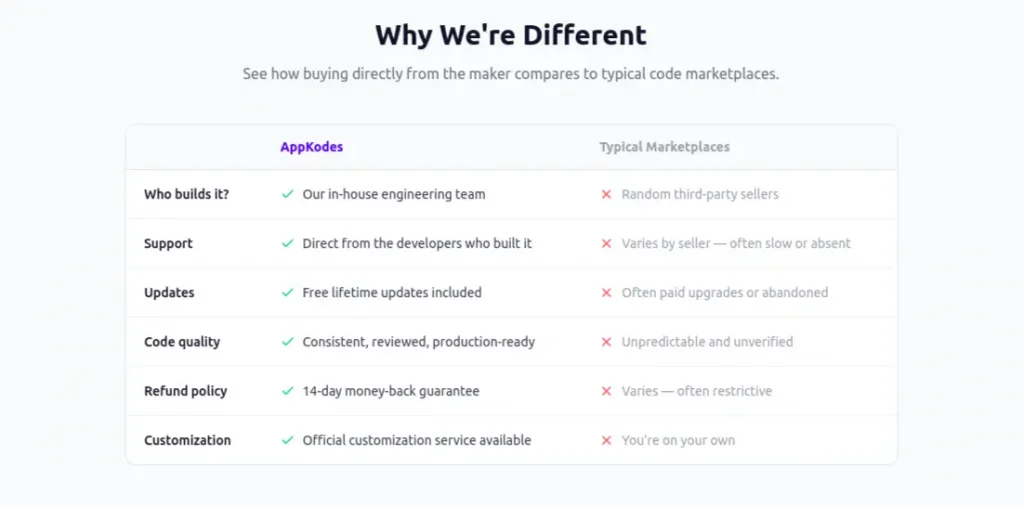
Developers, meanwhile, are paying closer attention to factors like revenue share, visibility, and long-term sustainability when deciding where to sell their work. After all, commission rates on some large marketplaces can reach up to 37.5%, prompting many creators to explore the best Codecanyon alternatives.
This is where curated marketplaces are making a difference. By focusing on a smaller, quality-controlled selection, they help buyers discover ready-to-launch apps, buy PHP scripts online, and allow developers to showcase products that are actively maintained and supported.
The AppKodes Store follows this exact philosophy. Instead of hosting thousands of unverified listings, it offers professionally developed, codecanyon alternative for developers backed by our development team. That means predictable updates, structured support, and clear accountability for buyers.
Explore our hand-picked collection of scripts at store.appkodes.com.
Have questions before making a purchase?
Our AppKodes team typically responds within 24 hours, so you can get all the details you need before you buy.
Frequently Asked Questions (FAQ)
1. Is there a free alternative to CodeCanyon?
Yes, platforms like GitHub provide thousands of free open-source scripts created by developers around the world. However, most of these projects are community-driven and may not offer professional support, documentation, or guaranteed updates. For production businesses that require stability and long-term maintenance, a paid curated marketplace such as the AppKodes Store can be a more reliable option.
2. What is the best site to buy PHP scripts?
The best platform depends on your needs, but curated marketplaces often provide higher-quality products. For example, the AppKodes Store focuses on professionally developed PHP scripts that are tested before being released. Unlike large open marketplaces where anyone can upload a product, curated platforms maintain stricter quality standards and provide direct developer support.
3. Why are developers leaving CodeCanyon?
Several factors have pushed developers to explore alternatives to CodeCanyon. High commission fees, sometimes reaching around 37.5%, can significantly reduce earnings. Additionally, long product review times, intense competition, and marketplace saturation make it difficult for new products to gain visibility. As a result, many developers are looking for platforms with fairer revenue models and better exposure.
4. Can I sell my scripts on platforms other than CodeCanyon?
Yes. Developers are not limited to one marketplace. In addition to CodeCanyon, platforms like Codester and AppKodes Store often offer lower commissions and less competition, which can help developers earn more from their work.
5. Is CodeCanyon still worth it in 2026?
CodeCanyon still has one of the largest collections of scripts available online, which makes it useful for discovering different types of tools. However, some products on the platform are outdated or no longer actively maintained. Because of this, many buyers are exploring curated marketplaces that focus on quality control, ongoing updates, and reliable support.

Arun Andiselvam
Founder of AppKodes. As a serial entrepreneur, I have successfully established five brands over the past 12 years. After creating a successful rank tracker for SEO agencies, I am currently dedicated to developing the world's first SEO Project Management software.