The Easiest Ways to Build a Website or App Fast in 2025 Powered by AI & Automation
A few months ago, building an app or website meant endless planning meetings, high development costs, and waiting months just to launch a basic version. For a bootstrapped founder, it was often out of reach. But that story has changed dramatically.
In July 2025, Artificial Intelligence took the front seat in product development. It’s not just helping developers but becoming the co-founder for thousands of entrepreneurs.
I’m not exaggerating. It is exactly what many solo founders are doing these days. Are you someone with an idea for a hyperlocal food delivery app? You type in your vision, and within hours, AI tools have generated your UI, drafted backend logic, and even set up hosting.
What used to take 16 weeks or more and a 5-member development team can now be achieved in under 14 days, often with just 1 or 2 people at the helm.
According to industry reports cited by the Medium, over 58% of MVPs launched in 2025 used some form of AI-assisted development. Many of them also leveraged pre-built clone frameworks to reduce build time by up to 70%.
Whether you’re launching a rental marketplace, a tutoring platform, or a pet-sitting app, AI tools now let you design, code, test, and deploy in a fraction of the time.
When paired with the structure of ready-made clone solutions, this tech-enabled approach is turning bold ideas into real, working apps — fast. Let’s explore the easiest ways to build a website or app fast in 2025, without compromise.
Why AI Is the New Co-Founder for Entrepreneurs?
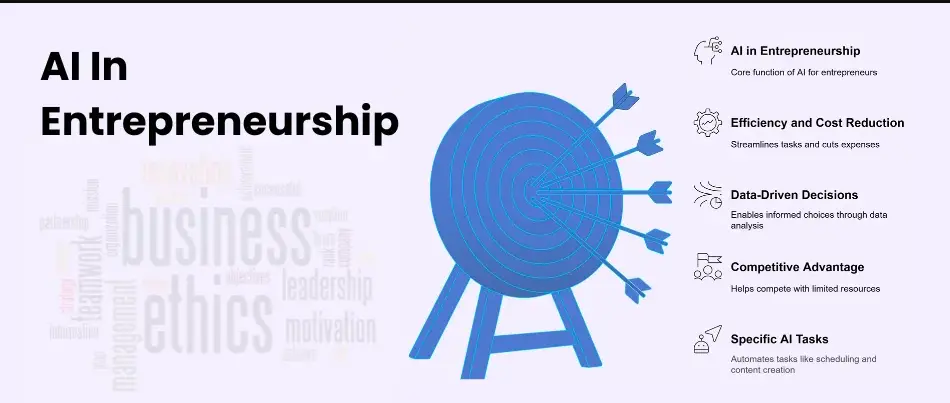
The answer is quite evident. AI is changing how digital products are built. It eliminates the need for technical skills at the initial stage and offers intelligent suggestions to refine ideas. Here’s what AI now handles in the app-building lifecycle,
Deployment can happen in a blink. Platforms like Railway and Vercel automate deployment. You get fast and good. Don’t need to hire large teams or wait for months. You get speed and accuracy with minimal effort.
Feature Planning tops the list. AI tools generate feature sets based on your business idea.
Design is no longer a time killer. These AI-powered design tools can also help maintain consistency in visual branding, including the placement and presentation of your app logo across screens. Tools like Uizard and Galileo AI convert prompts to beautiful UI wireframes.
Development will never be a nightmare. GitHub Copilot and Replit AI write code in real-time.
Testing & Optimization are getting more accurate with automation. AI debuggers and QA bots analyze your build.
Source: https://shadhinlab.com/
From Idea to MVP in 2 Weeks: What’s Possible Now?
As we mentioned earlier, building an MVP is no longer a 6-month process. AI-enabled workflows now allow you to turn an idea into a launch-ready product in as little as 14 days.
Thanks to automation platforms, modular tools, and flexible clone structures, most of the development process is plug-and-play.
Founder Spotlight: Appkodes + Zubin Daver’s 100+ Team
Earlier this year, Appkodes, no-code MVP development services, worked with entrepreneur Zubin Daver, who had a 100+ member team across multiple product verticals.
The goal? Launch a niche rental platform with AI-first automation and an MVP in 2 weeks.
Zubin had already identified a content gap in the competitive landscape. So, we used automated gap analysis tools to validate user demand, prioritize features, and structure the content framework in less than 48 hours.
Here’s how we achieved the 14-day MVP milestone:
- UI Design: Completed in 48 hours using AI design tools like Uizard.
- Backend Deployment: Set up using Supabase’s scalable infrastructure.
- Custom Feature Integration: Achieved through prompt-to-code AI like Replit Copilot.
- Clone Framework: Provided a flexible base that accelerated development.
Zubin’s project used our automated content gap analysis engine to ensure the app not only launched fast but was optimized for real-time user intent.
“We delivered the MVP in 14 days. This something that would’ve taken over 2 months without AI and clone support.”
— CEO, Appkodes
This hybrid approach not only saved time but also allowed Zubin to test the market, gather early traction, and streamline user feedback before investing in full-scale development.
Read the full case study on how Appkodes helped Zubin Daver’s team launch in record time
AI Prompts for Software Testing – Automate QA for Faster MVP Launches
AI prompts for software testing have become a secret weapon for startups looking to release high-quality apps quickly. Instead of manually creating repetitive test cases, QA teams can now simply describe their requirements in natural language, and AI tools will generate test scripts automatically.
For example, prompts like:
- “Generate test cases for login and authentication workflows with edge scenarios.”
- “Identify potential bugs in the payment gateway checkout process.”
- “Suggest automated regression tests for a social networking app.”
Tools such as GitHub Copilot, Replit AI, and ChatGPT-based QA bots are revolutionizing software testing. This automation ensures faster bug detection, reduced human error, and faster releases, especially crucial when building MVPs under tight deadlines.
Best AI Tools for Software Testing in 2025
If you want to integrate AI into your QA workflow, here are some tools to consider:
- GitHub Copilot – For generating test scripts automatically.
- Replit AI – Quick debugging and test case generation.
- Testim AI – Automated end-to-end testing for complex apps.
- ChatGPT Plugins – Create natural language-based testing flows.
- Selenium + AI Assistants – Enhance traditional automated testing frameworks.
The Smart Combo: AI + Clone Solutions = Fast, Scalable Startups
It has been decades since entraprenures wanten to build an app from start. Now, with advent of technologies things are getting even more smarter. In 2025, the most innovative founders are embracing a hybrid approach that combines the speed of clone solutions with the intelligence of AI customization. This is revolutionary.
Clone scripts have the structural foundation of already successful platforms. Think of them as the blueprint behind apps like Airbnb, Uber, or Netflix.
These scripts come pre-equipped with core functionality, user flows, admin panels, and monetization features — all tried, tested, and proven in real markets. Instead of reinventing the wheel, founders now have the luxury of starting from a near-finished base.
But what makes 2025 different is how Artificial Intelligence supercharges this process. It’s more about rapid personalization at scale. Here’s how it works,
Clone Scripts
Provide time-tested layouts, user journeys, and logic. They set the base, saving months of effort and thousands of dollars in development costs.
AI Customization
Takes this base and adapts it with lightning speed. Want your food delivery app to be in Tamil and English? Need it to serve a hyperlocal region with personalized notifications and branded UI? AI tools can localize content, auto-generate designs, suggest UX improvements, and even write the backend logic for new features based on your niche. AI translators can provide context-aware translations, helping applications support multiple languages more efficiently.
Launch-Ready Product
This dual approach means you’re not waiting months to hit the market. In 10-14 days, entrepreneurs can go live with an MVP that looks custom-built and performs like a premium app.
A founder with a clear idea but limited technical expertise and budget can now,
- Validate the business model
- Start acquiring users
- Pitch to investors with a working prototype
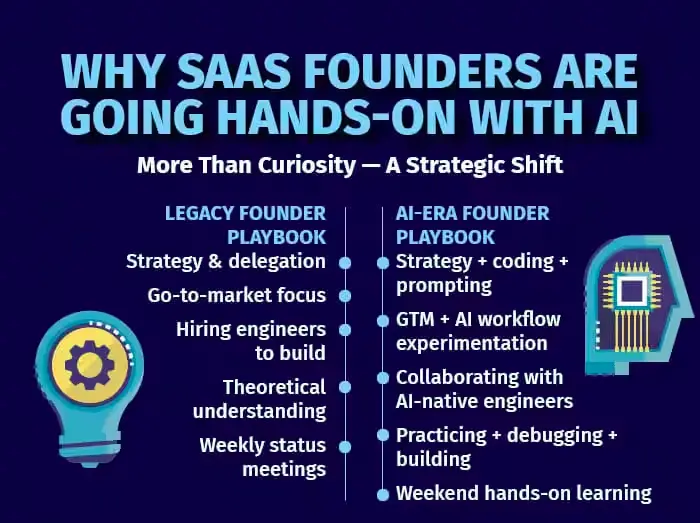
All without burning out or blowing up the budget. In 2025, this AI + Clone combo is turning entrepreneurs into tech founders overnight.
Whether you’re building an edtech platform, a local gig service or a niche social app, this combo brings down the barriers to entry and moves your vision forward faster than ever.
Source: https://www.moneycontrol.com/
Features You Shouldn’t Miss in 2025’s AI-Enhanced Clone-Based Builds
No more months of coding and costly iterations for adding modern features. In 2025, AI is redefining what’s possible, not just for developers but for how user experiences are built and delivered.
If you’re launching a new app or website this year, your product must speak the language of modern users: fast, personalized, and intelligent. Here’s how AI and cloning frameworks are making this happen:
AI-Generated UI/UX
Tools like Uizard, Galileo AI, and Penpot AI Assist can auto-generate beautiful, responsive interfaces from text prompts or wireframes. They even suggest layout improvements based on usability heatmaps, reducing UI/UX design time by over 70%. This is especially beneficial for ChatGPT users looking to quickly prototype conversational interfaces.
Voice-Based Navigation
AI voice command APIs like Speechly and OpenAI Whisper allow for hands-free, inclusive interaction. Especially useful in food delivery, mobility, and accessibility apps. Over 40% of Gen Z users prefer voice search over typing (Think with Google, 2025)
Real-Time Personalization
Your app can now adapt in real-time, recommending content, altering layouts or changing pricing. All of these will be based on user behavior. AI engines like Adobe Sensei and Amazon Personalize make this plug-and-play.
Multilingual Auto-Translation
With DeepL, Google Translate API, or Meta’s No Language Left Behind, cloned apps can auto-translate interfaces and even user-generated content. You can now open up new global markets without any need to hire a dedicated translation team.
Integrated AI Chatbots
Forget hard-coded bots. AI chatbots powered by GPT-4, Tidio AI. You have BotPress to offer real-time, natural conversations, handling FAQs, onboarding, and even cart recovery with near-human accuracy. AI chatbots can reduce customer support workload by up to 60% (Zendesk, 2024)
Smart Notifications
AI tools like OneSignal Predictive help you time and target push notifications perfectly. Based on user activity and interests, this increases click-through rates without annoying your users.
Built-in Analytics Dashboards
No more raw data to interpret. Tools like Mixpanel with AI, Amplitude, or PostHog AI Insights can now surface real-time behavior insights, friction points, and even feature suggestions, directly into your dashboard
Why do These Matter?
These aren’t nice-to-haves, they’re growth levers. When combined with clone-based architecture, these AI-powered features mean,
- Faster MVPs
- Better retention
- Localized scale
- Smarter decision-making
- AI-Powered QA and Testing Automation
With AI prompts, you can automate test case creation, regression testing, and bug detection. This drastically reduces QA cycles, letting startups deploy faster and maintain higher app quality.
And because these tools are modular and API-ready, integration is often just a config, not weeks of coding. Building with AI + Cloning in 2025 is required.
Top AI Tools and Platforms Making App & Website Building Easy
| Use Case | Tools |
| Prompt to UI | Uizard, Galileo AI, Claude |
| Prompt to Code | Replit AI, GitHub Copilot, Claude, Cursor |
| App Builders | Glide, Bildr, Softr, FlutterFlow, Bubble, BuildFire |
| Deployment | Railway, Vercel, Render |
| Analytics & Personalization | Mixpanel + GPT API, PostHog, Segment + AI extensions |
These platforms work together to automate your build, test, and release cycle. Best of all, they scale with you.
Why AI-First Product Building Works Best for Founders, Innovators & Newbies?
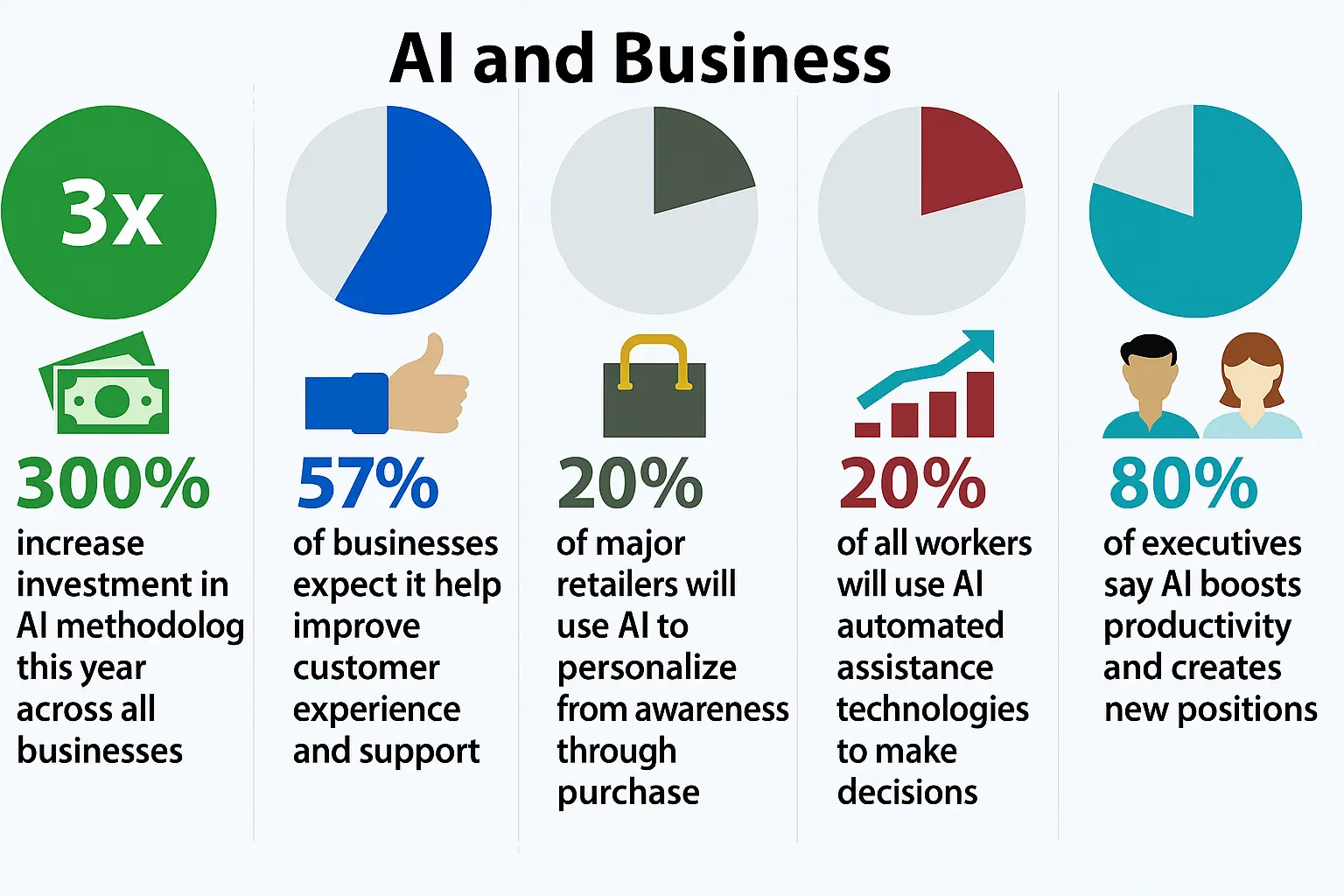
In a world where speed to market is the only survival, AI-first product development is not just smart, it’s necessary. Whether you’re a seasoned founder or a first-time entrepreneur, here’s why this is winning in 2025.
Zero Code Required
Gone are the days when product creation was exclusive to those who spoke code. With tools like Replit Copilot, Bubble, and Uizard, even non-tech founders can turn their ideas into functioning products. You don’t need to hire a CTO or spend weeks explaining wireframes to a developer; you can build it yourself or work with a lean AI-powered team.
Example: A solo founder from Chennai used an AI-powered app builder to create a full-fledged local services marketplace in 10 days without writing a single line of code.
Build More, Spend Less
Building from scratch used to cost ₹10–30 lakhs just to launch an MVP. But in 2025, founders are spending 70% less by using AI-generated workflows, clone-based structures, and open-source backend services like Supabase. You’re saving on design, development, and iterations, all while speeding up output.
“Instead of hiring a full-stack team, I used an AI prompt-to-code tool to generate the key backend features, took me 2 days, not 2 months.”
— A bootstrapped founder on Reddit’s r/startups
From Whiteboard to Launch in Weeks
Why wait 6 months when you can go live in 14 days? When AI tools combine with clone frameworks, things move fast:
- Design is generated using natural language prompts.
- Backend APIs are auto-structured with secure scaffolds.
- Bug tests are handled by AI QA assistants.
- You’re already gathering user feedback before your competitor finishes the design drafts.
This rapid cycle gives startups a big advantage; speed validates vision.
Pivot Without Penalty
Startups evolve fast. AI-first tools let you change features, adapt UI, and adjust flows without rebuilding from scratch. Clone frameworks are like modular kits; you can replace, refine, or remove parts without destabilizing the core.
For example, if your initial idea for a food delivery app shifts to a hyperlocal grocery model, AI-backed logic and prebuilt components help you realign instantly, no rework, just reconfiguration.
For Busy Innovators
Many founders today wear multiple hats like, clients, fundraising, and marketing. They don’t have the time to wait for traditional builds. With AI-led, clone-powered development, they can,
- Validate ideas early.
- Test markets affordably.
- Change instantly.
- Launch confidently.
In short, AI + clone = freedom to create, adapt, and win, even with no tech background or team.
Source: https://arcnjournals.org/
How Appkodes Supports AI-Powered Builds & Clone-Based Automation?
Appkodes is at the forefront of combining AI adaptability with clone frameworks. Here’s what you will find,
- Clone Scripts Optimized for AI Integration
- Modular Architecture for Quick Customization
- Support for GPT-based bots, auto-translators, and personalization engines
- Dedicated teams for MVP planning and AI compatibility checks
Whether you want to start small or scale big, we give you the base to build fast and smart with our AI development services guiding the process.
Launch Your App with AI Speed + Clone Flexibility → Talk to Us!
In 2025, Building Fast Isn’t a Shortcut, It’s the Smart Way
AI has changed the rules of startup development. With clone-based logic, it’s the ultimate shortcut without compromising quality. If you’re planning to launch a new platform or business model, don’t get caught in old-school development cycles. Let AI and automation guide your journey. Build smarter, launch faster, and scale confidently.
Sample AI Testing Prompts to Kickstart Your QA Process
Use these ready-to-go prompts to accelerate your software testing:
- “Create functional test cases for a multi-step user onboarding process.”
- “Generate negative test scenarios for a login form with two-factor authentication.”
- “List performance test cases for a high-traffic e-commerce website.”
- “Suggest regression test cases for an app update involving new payment methods.”
- “Find edge cases for a social networking app’s user feed algorithm.”
These prompts work with tools like ChatGPT, Copilot, and Testim AI, giving you comprehensive coverage without starting from scratch.
Frequently Asked Questions
1. What’s the easiest way to build an app in 2025?
Using AI-powered tools with customizable clone frameworks can help you build an MVP in under 2 weeks.
2. Can AI build a website or app on its own?
Yes. With prompt-to-code and auto-deployment tools, AI can handle much of the initial product development.
3. Are clone scripts still relevant in 2025?
Absolutely. They provide structure and proven logic, and when paired with AI, they become super powerful.
4. Can I build an app without coding in 2025?
Yes. No-code platforms and AI builders allow you to launch apps even with zero technical background.
5. How do AI prompts help in software testing?
AI prompts let testers describe scenarios in plain language. The AI then auto-generates test scripts and detects bugs, saving time and reducing manual errors.
6. Can I fully automate QA using AI tools?
Yes, many modern AI testing tools can handle regression tests, bug tracking, and performance checks automatically, though human oversight is still recommended.

Arun Andiselvam
Founder of AppKodes. As a serial entrepreneur, I have successfully established five brands over the past 12 years. After creating a successful rank tracker for SEO agencies, I am currently dedicated to developing the world's first SEO Project Management software.