How Smart Shipping Optimization Can Cut Logistics Costs by 50%
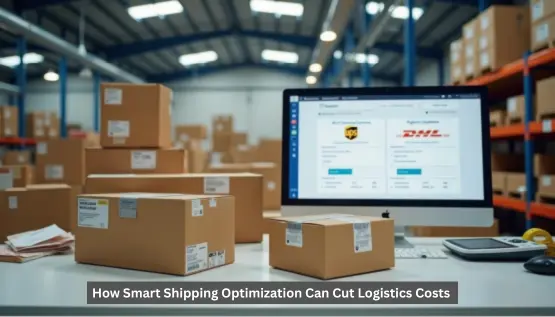
For eCommerce and delivery-driven businesses, shipping costs can drop by as much as 90% off standard retail rates when the right optimization strategies and tools are applied. Shipping expenses often create a heavy strain on small business profits, yet many owners do not realize how much they can save with a few simple adjustments.
Even a one-dollar reduction per shipment becomes meaningful. If you ship more than one hundred packages a month, that small change can translate into more than two thousand dollars a year.
Staying competitive while keeping shipping affordable is a real challenge, but support already exists. Platforms such as Shippo and Shopify Shipping offer pre-negotiated discounts that reach up to 80%.
These savings represent only the starting point. Businesses can reduce costs even more by negotiating directly with carriers, prepaying for shipments, and combining multiple orders. None of these changes affects service quality.
This article breaks down effective techniques that help lower your overall shipping spend. You will learn how to choose the most efficient carriers, optimize your packaging, and avoid expensive mistakes.
These practical methods can shift the way your business handles logistics, turning shipping into a strategic advantage rather than a yearly burden. Now is the perfect time to explore the approaches that can strengthen your bottom line.
Compare, Choose, and Save
Image Source: ReachShip
Smart choices about package transportation form the foundation to cut your shipping costs. Your expenses can drop a lot without compromising service quality when you select carriers wisely.
1. Compare Carrier Rates for Every Shipment
Own shipping company sticks with one carrier out of habit and leaves money on the table with every package they send. Different carriers charge different rates for similar shipments, which makes comparison essential. Rate shopping tools allow you to view available options side by side while factoring in package dimensions, weight, and destination.
Working with digital freight forwarding companies makes this process far easier, as they aggregate rates across USPS, UPS, FedEx, and other carriers to surface the best value for each shipment.
This approach can unlock savings of up to 90% off retail shipping rates, and even small reductions per package quickly add up for businesses shipping more than 100 orders each month.
2. Use Slower Delivery Speeds When Possible
Standard shipping makes more financial sense unless your customer has paid for rush delivery specifically. Standard shipping costs less than expedited options, while ground shipping proves even more economical.
USPS Ground Advantage or UPS Ground typically delivers within 2-5 days in many regions and meets customer expectations without premium pricing.
Slower shipping creates environmental benefits through more efficient route planning and combined shipments. Carriers can load delivery trucks fully, which reduces fuel consumption and emissions.
3. Think Over Regional Carriers for Local Deliveries
Regional carriers often beat national services’ rates for packages traveling shorter distances. These specialized carriers reach more than 85% of the US population and focus on short-haul deliveries (typically under 500 miles).
Lower overhead costs allow regional carriers to offer 10-40% savings compared to major carriers like UPS and FedEx. On top of that, many regional services provide 1-2 day delivery without charging expedited rates. They work especially well in densely populated areas where their local expertise creates both cost and speed advantages.
Note that optimizing your shipping strategy needs regular evaluation as carrier rates and services change over time.
Optimize Your Packaging
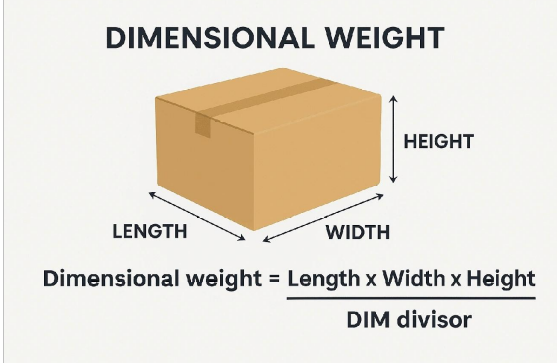
Image Source: ShipBuddies
Your bottom line can take a big hit based on the packaging choices you make to ship products. Smart packaging strategies alone can cut shipping costs by 20-40% without switching carriers or changing service levels.
4. Use the Right-Sized Packaging to Reduce Dimensional Weight
Carriers now charge based on package volume rather than just weight – this is dimensional weight pricing. The average package wastes about 40% of its space. UPS and FedEx will charge you based on whichever is higher – actual weight or dimensional weight. This extra space directly adds to your shipping costs.
Using custom product packaging boxes designed specifically for your product dimensions prevents wasted space, lowers dimensional weight charges, and reduces unnecessary packaging material.
Right-sized packaging can shrink your package volume by up to 40%. You’ll use 60% less void fill and cut corrugated material usage by 26%. A business that ships 10,000 packages each month could save thousands of dollars yearly just by reducing each package size by 20%.
5. Switch to Poly Mailers for Soft Goods
Poly mailers are a cost-effective choice instead of boxes for non-fragile items. These durable plastic bags cost just USD 0.25 per unit in bulk. Similar-sized mailer boxes cost USD 1.25 or more each.
These mailers work great for clothing and textiles. They wrap around the contents instead of keeping rigid dimensions, which eliminates dimensional weight issues completely. Merchants can save 40-60% on shipping costs for suitable items. Poly mailers need minimal storage space and come ready to use, so you can pack orders quickly.
6. Take Advantage of Free Packaging from Carriers
Major carriers help cut your shipping expenses with free packaging materials. USPS gives away over 55 different types of free supplies, including Priority Mail boxes, envelopes, and labels. UPS accounts come with free shipping labels, forms, and packaging. FedEx provides free packaging to speed up its services.
These free materials usually require specific carrier services, so check the requirements before ordering. All the same, these free resources help minimize your packaging costs while protecting your shipments.
Avoid Hidden Fees and Mistakes
Small shipping process mistakes can pile up fast and hide substantial costs. Yes, it is possible to cut shipping costs without switching carriers or changing service levels by eliminating common errors.
7. Double-Check Delivery Addresses
Wrong or incomplete addresses will hurt your bottom line. About 20% of packages don’t make it to their destination on the first try. This costs businesses billions each year. Carriers charge correction fees between USD 13.00 and USD 18.00 for each package with address problems.
Address errors start a chain reaction. Deliveries get delayed. Customers become unhappy. Future business opportunities vanish. Research shows that 59% of customers are less likely to order again after a bad delivery experience.
Address validation technology can automatically check delivery information against carrier databases. This simple step will give a deliverable, properly formatted, and complete address that stops costly errors before shipments go out.
8. Weigh and Measure Packages Accurately
Small differences in package size or weight can lead to expensive surcharges. Carriers base their shipping charges on whichever is higher – actual weight or dimensional weight. Accuracy matters here.
The best solution is to invest in quality scales and measuring tools. To cite an instance, UPS adds a shipping correction fee of USD 1.00 per mislabeled package or 6% of total shipping charge corrections – whichever costs more.
Package measurements need to match exactly what you’ll ship, including packaging materials, pallets, and straps. Round up measurements to the nearest inch. Put the whole load on the scale exactly as it ships to avoid those pricey reweighing fees.
Track, Analyze, and Improve
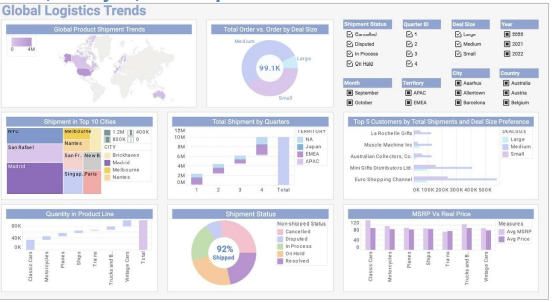
Image Source: InetSoft
Using shipping data to cut back on logistics costs is a constant opportunity – as long as you keep plugging away at it. Taking a good, hard look at your shipping patterns can help you spot the inefficiencies and make some savvy decisions that’ll keep your profit margins safe.
Now, some of the key things you can do to get more out of your shipping data are:
- Watching the trends with shipping software
You can get a pretty good picture of how your carriers are performing, what the delivery times are like, how much volume you’re shipping, and how much you’re spending overall. Just filtering that data and having a close look gives you a pretty clear idea of where your costs are going up and where you might be able to save some cash. - Finding those high-cost zones and services
If you dig deep enough into the data you’ve got, you can identify the routes and service levels that are blowing your budget. That gives you a chance to tinker with your pricing, packaging, or delivery options and maybe even uncover some extra fees that nobody was really paying attention to. - Fine-tuning your service level choices
It’s surprising how often you can save some money by switching to ground shipping instead of going for a faster option – as long as you don’t need that faster option to keep your customers happy. That’s a consistent cost reducer right there. - Regularly reviewing carrier performance over time
The more you compare your carriers over the long haul, the more you’ll spot any performance issues or pricing changes that’ll let you move some of that volume around to a better value carrier, which helps keep your costs under control.
A More Intelligent Way to Tackle Low Shipping Costs
Cutting shipping costs isn’t about making some drastic change or giving up on customer service – you can save real money without sacrificing quality. It comes down to thinking things through, regularly reviewing what you’re doing, and being open to adjusting as circumstances evolve.
If you’re shopping around for carriers on a regular basis, packing products efficiently, and cutting out the pointless mistakes that only waste money, shipping becomes a heck of a lot easier to handle and a whole lot less expensive.
This approach works way better if you treat it like a long-term process rather than a quick fix. Rates change, customer expectations shift, and with new data comes new opportunities to save. Businesses that stay on top of this and stay flexible are the ones that’ll be able to keep their margins safe while still giving customers what they want.
Smart shipping optimization doesn’t have to be this fixed cost that eats away at your growth anymore. With the right habits in place, it can actually support your bottom line, improve your operations and give you the room to grow your delivery business with some real confidence. Talk to Appkodes and see how our custom logistics app solutions can optimize your shipping, cut costs, and accelerate growth.

Thangamanikandan Bharathan
Starting as an iOS developer and moving up to lead a mobile team at a startup, I've expanded my expertise into Project Management, DevOps and eventually becoming a COO & Chief Service Officer in the IT sector. As a CSO, I excel in team leadership, technical advice, and managing complex business functions, focusing on combining technology and operations to drive growth. I'm keen to connect for collaborations or to exchange insights in the tech world!