How Delivery App Commissions Reduce Food Truck Profits in India
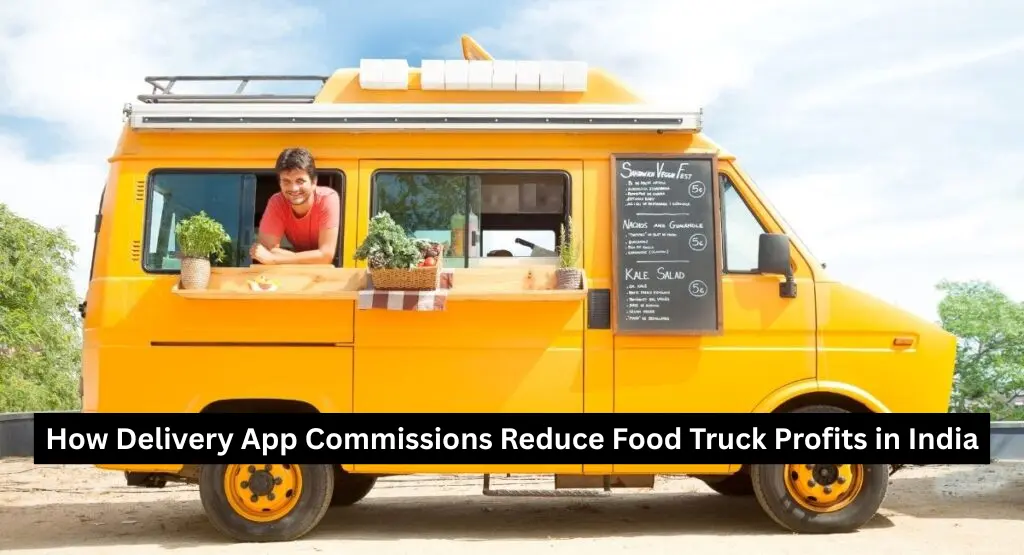
What if a busy lunch hour at a food truck in India is not actually the moment of highest profit, but the moment where the most money quietly slips away?
The irony is hard to ignore. At a time when the Food Truck Services Market in India is expected to reach USD 280.45 million by 2030, many vendors are still struggling to hold onto consistent profits behind the scenes.
With delivery apps becoming a regular part of how customers order food, small food truck businesses now juggle two realities at once: the crowd standing in front of the truck and the nonstop orders arriving through a screen.
On the surface, it feels like growth. Food trucks are no longer limited to one street corner or one neighborhood. They can now reach office workers during lunch breaks, students late at night, and customers across different parts of the city.
But as the day unfolds, the numbers tell a different story. A steady flow of orders slowly gets reduced by commissions, platform fees, packaging costs, and app-driven discounts before the final payout even reaches the vendor.
What looked like a successful sales day starts shrinking into a much thinner margin once every deduction is accounted for. For food truck profits in India, this growing gap between “what is sold” and “what is actually earned” is becoming harder to ignore, especially for businesses already operating on tight and unpredictable margins.
Who are Swiggy, Zomato, Dunzo, and ONDC?
In India today, there are so many popular apps that deliver food to your door. The biggest are Swiggy and Zomato. There’s also Dunzo, which focuses more on quick deliveries and a newer government-backed option called ONDC(Open Network for Digital Commerce), which is trying to give vendors a fairer deal.
These apps act like middlemen. You cook the food. A delivery person picks it up. The customer gets it at home. The app sits in the middle and takes a cut from every single order. For big restaurants with hundreds of daily orders, this cut is manageable. But a food truck selling 30-50 orders a day? It can make or break the business.
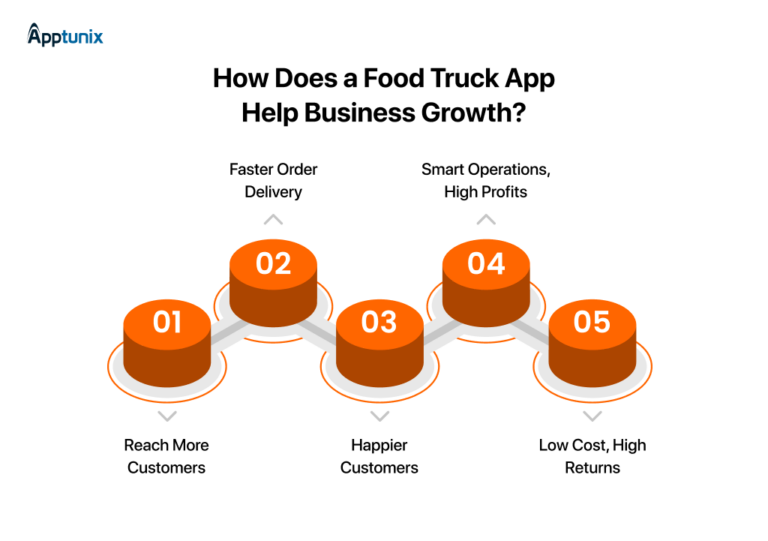
Source: https://www.apptunix.com/
How Much Commission Do Swiggy and Zomato Charge Food Trucks in India?
When a customer orders from your food truck on Swiggy or Zomato, the app takes a percentage of that order value as its fee. This is called a commission. For most food trucks in India, this commission sits between 20% and 30% of every single order.
So if a customer pays Rs. 100, the platform keeps 20 to 30 Rs before anything reaches you. That’s before any other deductions. Just the base commission alone.
Is the Commission Rate the Same for All Vendors?
No, and this is where it gets unfair for small vendors. Big restaurant chains that bring in hundreds of orders a day can negotiate lower rates, sometimes as low as 15–18%. Food trucks, which typically do far fewer orders, have almost no bargaining power. They are usually stuck at the highest standard rate, 25–30%.
The platform essentially rewards volume. The more you sell through them, the less they take. But to sell more, you need to be visible. And to be visible, you often need to pay extra through sponsored listings, app promotions, or discount campaigns. It becomes a loop that’s very hard to break out of as a small vendor.
Large restaurant brands also benefit from long-term contracts, exclusive partnerships, and dedicated support teams from delivery platforms. Food trucks rarely get these advantages. Since platforms see them as smaller contributors to total order volume, they are often offered standard agreements with little room for negotiation.
For example, a large chain restaurant might pay only 15% commission on a ₹500 order, losing ₹75 to the platform. A food truck selling the same ₹500 order at a 30% commission rate loses ₹150, double the deduction for the exact same order value.
Over time, this difference has a major impact on profitability. Small vendors already operate with tighter margins, and higher commission rates reduce the amount left for ingredients, staff salaries, fuel, maintenance, and food truck business growth.
How Does GST on Commission Make it Even More Expensive?
Here is something many food truck owners don’t realise until they check their payment statements: the platform charges 18% GST not on the food, but on their own commission fee.
So if the platform takes ₹25 as commission on a ₹100 order, they also charge 18% GST on that ₹25, which is another ₹4.50 deducted from your payout. You’re paying tax on money that was never yours to begin with. On a typical food truck order, this adds up to ₹3–₹5 extra per order, every single day.
At first glance, ₹4 or ₹5 may not seem like a huge amount. But when multiplied across dozens or even hundreds of orders every month, it becomes a serious expense. For example:
- 50 orders a day × ₹4 extra deduction = ₹200 daily
- ₹200 daily × 30 days = ₹6,000 per month
That amount could otherwise be used for buying raw materials, paying staff, upgrading equipment, or covering fuel costs for the truck.
The frustrating part for many food truck owners is that the GST is applied to the platform’s earnings, yet the deduction still comes from the vendor’s payout. Combined with commissions, delivery-related charges, and promotional expenses, the total reduction per order can become surprisingly high.
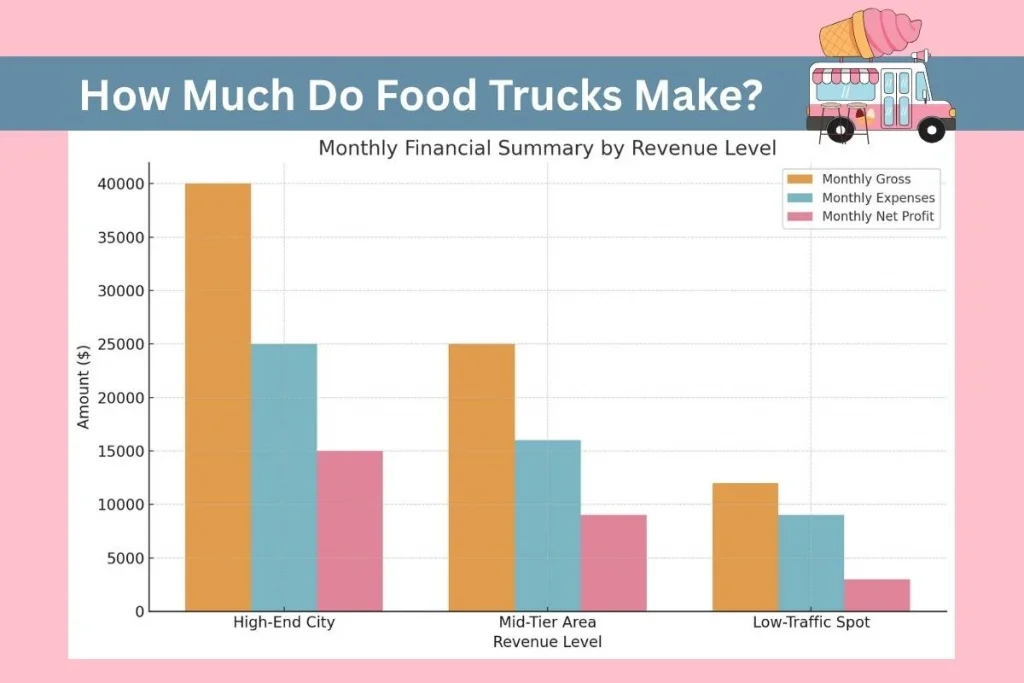
Source: https://theenterpriseworld.com/
The Fees Nobody Tells You About When You Sign Up
The commission is just the beginning. Once you’re inside the platform ecosystem, there are several additional charges that quietly chip away at whatever’s left of your profit. Most food truck owners only realise how many deductions exist after they start receiving payout statements.
1. Forced Discounts
The platform runs a “50% off” or “Free Delivery” campaign. You didn’t ask for it, but you’re expected to share the discount cost. Some platforms make participation almost mandatory if you want to stay visible in customer searches.
For example, if a customer receives ₹100 off on an order, the platform may recover a portion of that discount directly from the vendor. This means food truck owners are indirectly paying to attract customers while also paying commission on the same order.
Many vendors feel pressured to participate because refusing discounts can reduce visibility and lower order volume.
2. Listing Boosts
Want to appear higher in search results? You usually have to pay extra. Without promotional spending, your food truck can easily get buried under dozens of restaurants competing in the same area.
Platforms often prioritise:
- Sponsored listings
- Paid promotions
- Highly rated vendors
- Restaurants participating in discount campaigns
This creates another challenge for small food trucks. Even if the food quality is good, customers may never discover the business unless the vendor spends additional money on visibility.
In many cases, vendors end up paying just to remain competitive inside the platform.
3. Automatic Refunds
If a customer says their food was wrong, damaged, cold, or delayed, the platform may refund them immediately and deduct the amount from your next payout, sometimes without fully verifying the issue or asking for your side of the story first.
This becomes especially difficult for food trucks because delays may happen due to:
- Heavy traffic
- Weather conditions
- Changing parking locations
- Delivery partner delays
Even when the mistake is outside the vendor’s control, the financial loss may still fall on the food truck owner. Repeated complaints can also affect ratings, which further impacts visibility and future orders.
4. Packaging Deductions
Some platforms charge packaging-related fees or “packaging support” deductions even when vendors already purchase their own containers, bags, and boxes separately. Food trucks already spend money on:
- Disposable containers
- Carry bags
- Cutlery
- Spill-proof packaging
- Branding stickers
Additional packaging deductions reduce margins even further, especially for vendors handling large numbers of small-value orders.
5. Cancellation Penalties
If an order gets cancelled, even because of traffic delays, stock shortages, technical glitches, or the truck moving locations, it can sometimes count against your performance rating.
Certain platforms may also apply penalties or reduce payouts if cancellation percentages become too high.
For food trucks, operations are naturally more unpredictable compared to fixed restaurants. Limited kitchen space, mobile operations, and fluctuating demand make cancellations harder to avoid entirely. But the platform systems often evaluate food trucks using the same standards as large restaurant chains.
“By the time all the hidden fees are added up, many food truck owners are working for the platform, not for themselves.”
Let’s Compare: Selling Through Your Own App vs Selling Through a Third-Party App
Here’s a simple example. Say you sell a plate of biryani for ₹150.
If a customer orders directly through your own food truck app, you keep almost the full ₹150 because there is no third-party commission involved. Your only expenses are the actual costs of preparing the food, such as ingredients, cooking fuel, staff wages, basic serving materials, and a small payment gateway fee.
For most food trucks, the cost of making a biryani plate may come to around ₹60–70. That means you are left with roughly ₹75–85 as profit from a single order. Since there are no platform commissions, the earnings remain largely under your control.
This is why having your own ordering app can extremely increase your food truck profits in India. Every order placed directly through the app helps the vendor retain a much larger share of the revenue while also building a direct customer base without depending on external platforms.
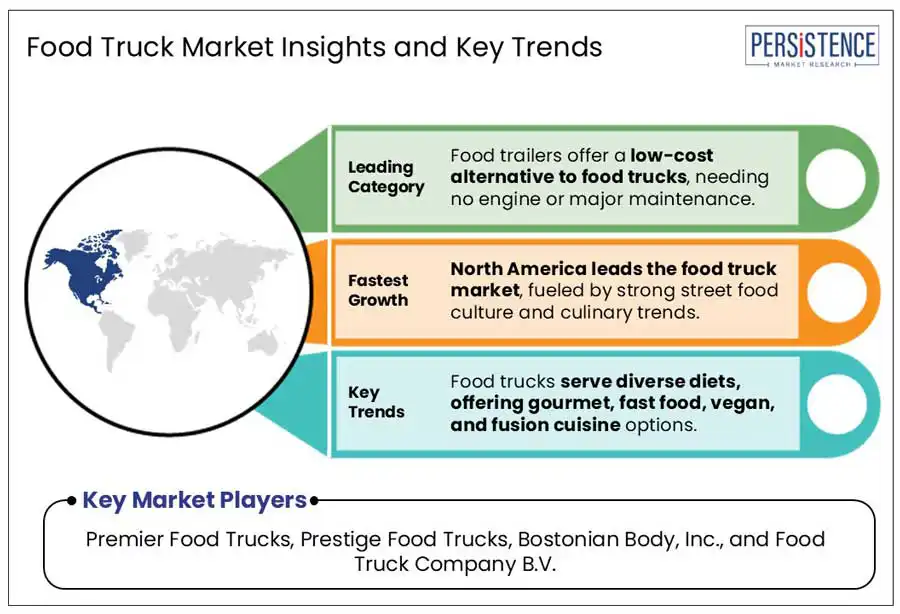
Source: https://www.persistencemarketresearch.com/
Now compare that with the same ₹150 biryani ordered through third-party delivery apps like Zomato, Swiggy, or quick-commerce and hyperlocal delivery platforms such as Dunzo.
Once the order goes through these platforms, several deductions begin to apply. These may include commission charges, GST on commission, payment gateway fees, packaging requirements, and discount-sharing costs.
After all these deductions, the food truck may receive only around ₹95–105 from the original ₹150 order value. But the expenses do not stop there.
Delivery orders require stronger and safer packaging to prevent leakage or damage during transport. Vendors often spend another ₹15–20 on delivery-grade containers, bags, sealing materials, and cutlery.
As a result, the actual profit from that same biryani plate may fall to just ₹20–30. Sometimes it can be even lower depending on the commission percentage and additional charges.
The food itself has not changed. The preparation effort is still the same. But the profit becomes nearly three to four times higher when the order comes through the food truck’s own app instead of third-party platforms.
That is the financial reality many food truck owners face in today’s delivery-driven market.
The App Knows Your Customers Better Than You Do
When a customer orders from you through third-party delivery apps like Zomato, Swiggy, or hyperlocal platforms such as Dunzo, who gets their phone number, delivery address, ordering habits, and purchase history? Not you. The platform does.
For many food truck owners, this becomes a major long-term problem. Even if customers regularly order from your business, you often have no direct way to contact them outside the platform ecosystem. This means you cannot:
- Inform customers when your truck moves to a new location
- Send updates about new menu items
- Offer special discounts to loyal buyers
- Build your own customer database
- Create direct repeat business without depending on the platform
Meanwhile, the platform continues collecting valuable customer behavior data from every order placed through it. The platform knows:
- What customers order most often
- Which cuisines perform best
- What time people order
- How sensitive customers are to pricing
- Which vendors’ customers compare before purchasing
This information gives the platform strong control over visibility and recommendations inside the app.
For example, a customer who ordered from your food truck last week may open the app again and immediately see competing vendors suggested nearby. In many cases, those competitors may appear higher simply because they are paying more for promotions or participating in bigger discount campaigns.
As a result, the platform can redirect customers toward businesses that generate more revenue for the app itself, even if the customer already liked your food. The platform also has visibility into competitor pricing across the same area. If another vendor sells similar food at a lower rate, it may influence pricing pressure across all sellers.
But the challenge is that food truck owners do not get access to the same level of market data. The platform sees the entire marketplace, while the vendor sees only their own limited dashboard.
This creates an imbalance where the platform controls:
- Customer access
- Search visibility
- Competitive positioning
- Pricing pressure
- Repeat customer engagement
Now compare this with Your Own Food Truck App
When customers order through your own branded app, the situation changes completely. You directly own customer data like:
- Phone numbers and contact details
- Order history
- Favorite items and buying patterns
This allows you to:
- Send location updates instantly
- Promote new menu items directly
- Offer loyalty rewards and discounts
- Build a repeat customer base without paying commission again
Unlike third-party apps, there is no algorithm deciding your visibility or pushing competitors ahead of you. Here, the relationship is simple: You cook the food, you own the customer, and you control the experience.
The Missing Piece, the Solution, and the Future of the Food Truck Business
Even with regulatory oversight from the CCI and initiatives like ONDC, one important gap still remains: direct ownership of customers. Most solutions so far focus on reducing commission or improving competition between platforms, but they do not fully solve the biggest long-term issue for small vendors: who actually owns the customer relationship.
This is where a new idea starts gaining attention in the food business space, owning ordering systems for food trucks.
Why This Idea Matters Now
This concept becomes important because it directly addresses what even ONDC and regulations do not fully fix — repeat customer control and data ownership.
In third-party apps, customers are shared across the platform ecosystem, but in an own app model, every order builds a direct database for the vendor, which means no repeated commission loss on loyal customers, better direct marketing to repeat buyers, stronger control over pricing and offers, and stronger brand identity over time.
Is it a Replacement or an Alternative?
Realistically, this is not a full replacement for delivery platforms. Instead, it works as a parallel system where delivery apps are used for discovery and new customers, own app or QR ordering is used for repeat customers, and walk-in sales remain the highest-profit channel.
The Real Direction
So the industry is slowly moving toward a mixed model where policy and ONDC try to improve fairness, delivery platforms still drive large-scale demand, and their own apps help vendors rebuild direct customer relationships.
In the long run, the strongest food businesses will not depend on a single channel but will balance platforms while gradually shifting ownership of customers back to themselves.
Source: https://swaritadvisors.com/
Smart Things Food Truck Owners are Already Doing
Many food truck vendors are not giving up on delivery platforms instead, they are becoming more strategic in how they use them. Rather than depending fully on apps for survival, they are treating platforms as customer discovery tools while building alternative ways to retain customers and reduce commission losses.
This shift shows how small businesses are adapting to platform economics instead of completely relying on it.
Use the App for Discovery, WhatsApp for Loyalty
Many food truck owners now use delivery platforms mainly to attract new customers, while focusing on building direct relationships afterward. Once a customer places their first few orders through apps like Zomato or Swiggy, vendors encourage them to switch to WhatsApp for future orders.
This helps avoid platform commissions, GST on commission, payment gateway charges, and mandatory discounts, while also allowing vendors to directly communicate updates such as daily truck locations, new menu items, combo offers, festival specials, and catering orders, ultimately improving profit margins from repeat customers.
Only List High-Margin Items
Many vendors have realised that not all menu items work well on delivery platforms due to commission and operational costs. As a result, they now list only high-margin items that remain profitable even after deductions.
Low-priced items are often removed because fixed charges and commissions consume most of the revenue, especially for items below ₹150.
To improve profitability, vendors also increase delivery pricing slightly, create combo meals, bundle beverages, or offer family packs instead of low-value individual items, ensuring that every listed item remains financially sustainable.
Join a Food Truck Association
In cities like Bengaluru, Pune, and Hyderabad, some food truck owners are beginning to form associations and vendor groups to strengthen their bargaining power. Individually, vendors have very little influence over platform policies, but collectively they can negotiate better commission structures, fairer visibility rules, reduced penalties, and improved operational support.
These associations also help vendors share insights about pricing strategies, platform practices, and ways to improve food truck profits in India while managing competition in the delivery market.
Prefer Cash or UPI Direct Payments
For walk-in customers, many food trucks now encourage direct UPI payments instead of relying on third-party systems or delivery platforms. This helps vendors avoid payment gateway charges, platform deductions, and delayed settlements while ensuring they receive the full payment instantly.
For small businesses that depend on daily cash flow for ingredients and operations, direct payments significantly improve financial stability and help manage day-to-day expenses more efficiently.
Build a Google Maps listing
Many food truck owners are also strengthening their independent presence by creating Google Business Profiles so customers can find them without depending entirely on delivery apps.
A Google Maps listing allows customers to check location, operating hours, photos, and reviews, and also contact the vendor directly. Since food trucks frequently change locations, maintaining an updated presence on Google Maps helps build a long-term direct customer base outside of delivery platforms.
The Real Model Emerging in India
What is actually emerging is not a full replacement system, but a hybrid survival model:
Platforms like Swiggy and Zomato still handle discovery and new customer acquisition. ONDC and government reforms try to reduce unfair control. But the real long-term stability for food trucks comes from building their own direct ordering ecosystem on the side.
So instead of choosing between platforms and independence, food trucks are slowly moving toward a system where: platforms bring customers, but own systems retain them give the reason for your food truck profits in india.
How Appkodes Help Food Truck Owners Increase Their Food Truck Profits in India
At this stage, the real question is not whether food truck owners should build their own system — but how they can actually do it in a practical way without high cost, technical complexity, or managing everything manually.
This is where Appkodes, a leading startup mobile app development company, becomes useful in increasing your food truck profits in India. Instead of building a complete system from scratch, food truck owners can use ready-made frameworks and customize them based on how their business works in real life.
For example, a food truck usually needs a simple but complete setup: billing at the counter, menu updates, order tracking, and quick payments. A POS system built through such platforms can handle all of this in one place, so the owner doesn’t need separate tools for billing, inventory, and order management.
Beyond this, the same system can be extended into a digital ordering flow. Customers can scan a QR code placed at the truck, view the menu on their phone, place orders directly, and pay instantly using UPI or other digital methods. This removes dependency on manual order-taking and reduces waiting time during peak hours.
Some food trucks also face the challenge of changing locations frequently. In that case, a “food truck finder” feature becomes useful, where customers can check live or updated locations, timings, and availability. This helps maintain visibility even when the truck is not in a fixed spot, which is a common limitation in this business.
Another important part is customer management. Instead of losing all customer data to third-party platforms, vendors can store basic information like order history, preferences, and repeat visits inside their own system. This allows them to create loyalty programs, send updates, or inform customers about new locations and offers without depending on external apps.
The key advantage here is control. The food truck owner is no longer adjusting their business to fit into someone else’s system. Instead, they can shape the system around their workflow, whether they operate from a single location, move across the city, or serve events and festivals.
At the same time, this doesn’t force them to completely leave platforms like Zomato or Swiggy. Those platforms can still be used for discovery and new customer reach, while the owner’s own system handles repeat customers, direct orders, and higher-margin sales.

Arun Andiselvam
Founder of AppKodes. As a serial entrepreneur, I have successfully established five brands over the past 12 years. After creating a successful rank tracker for SEO agencies, I am currently dedicated to developing the world's first SEO Project Management software.