How Virtual Gifting Turns ‘Likes’ into ROI for Short-Video & Live Apps
Imagine watching a live stream. A creator says something exciting. A fan taps a glowing icon, sends a virtual gift, and within seconds, real money moves. The creator earns, the platform records revenue, and engagement becomes measurable value in real time. This is the mechanism behind virtual gifting.
The impact of this simple interaction is massive. TikTok generated over $6 billion from virtual gifts and in-app purchases in 2024, making it the highest-earning non-gaming app worldwide.
For example, in India, virtual gift spending on short-form platforms is expected to grow to nearly $1.7 billion by 2030, showing how instant digital interactions are evolving into a major economic system.
What looks like a small gesture on the screen is actually a structured feature that converts user emotion into transactions, creator rewards, and platform revenue, all happening in real time. Virtual gifting, therefore, represents more than engagement; it is a live monetization engine built directly into the user experience.
Why Engagement Metrics Alone Don’t Drive Revenue in Short-Video Apps
Today, almost everyone uses social apps, especially short-video platforms like TikTok. When we open these apps, the first thing that attracts us is the numbers likes, views, comments, shares, and followers. These numbers are known as engagement metrics, and they show how interested users are in the platform’s content.
At first glance, high engagement looks like success. A video with millions of views or thousands of likes gives the impression that the platform is performing well. However, there is one important reality that many people overlook:
High engagement does not automatically mean revenue.
A video might receive millions of views, but if none of those viewers spend money, the platform does not earn any income from that attention. Engagement shows interest, but it does not guarantee profit.
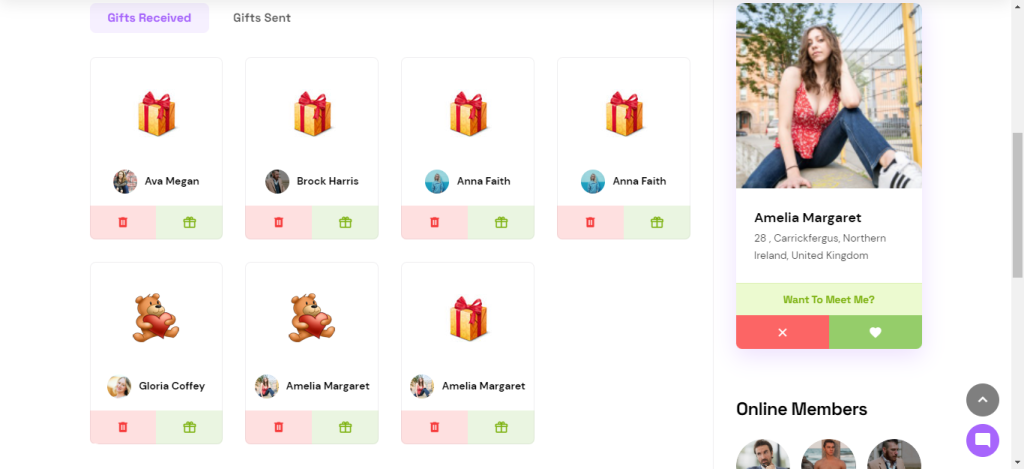
Source: https://www.wpdating.com/
The Challenge with Relying Only on Engagement
Many founders rely heavily on engagement metrics to measure success. They often assume that more likes or views will naturally lead to more income. But in reality, engagement only reflects user activity, not financial value.
This creates a major challenge for platforms. Founders struggle to convert user attention into predictable and scalable revenue. Instead, they often face questions such as: How do we get users to pay without annoying them? How do we make revenue steady rather than random?
How can we grow both engagement and income at the same time?
These questions are difficult because engagement is easy to measure, but converting engagement into actual revenue is much harder.
This is where virtual gifting becomes important. Virtual gifts are digital items that viewers purchase and send to content creators during videos or live streams. This simple feature changes how engagement works on a platform. When a user sends a virtual gift:
- They actively spend real money.
- The platform earns a portion of that spending.
- Creators feel rewarded and become motivated to produce more content.
Through this mechanism, passive engagement, such as watching or liking, turns into real financial transactions. It creates value for both the platform and the creators while maintaining user participation. Even if you are new to app monetization, understanding this is essential.
How Virtual Gifting Converts Free and Paid Content into Platform Revenue
Virtual gifting transforms content consumption into a structured revenue system by introducing a digital economy inside the platform. Instead of earning only through ads or subscriptions, platforms generate income by selling virtual currency that users use to purchase digital gifts.
This creates a clear financial flow where free content consumption leads to paid user actions, and every transaction produces revenue for the platform.
Most short-video and live platforms, including TikTok, follow a similar monetization structure.
Users first purchase virtual coins or tokens using real money through in-app payments. These coins are then exchanged for virtual gifts such as animations, badges, or premium interactions.
When a gift is sent to a creator, the platform keeps a commission while the remaining value is credited to the creator’s account. This system ensures that revenue is generated at multiple stages, from currency purchase to gift conversion.
Virtual Gifting in Live Streaming
In live streaming, virtual gifting operates in a real-time environment where spending happens during the content experience. Viewers send gifts while watching a live session, and the transaction appears instantly on screen. This real-time visibility increases user participation and encourages repeated spending during a single session.
Because live streams involve direct interaction between creators and audiences, users are more willing to purchase coins and send higher-value gifts. The live format also allows platforms to introduce premium gift tiers, limited-time animations, and special recognition features that increase the value of each transaction.
As a result, live streaming typically generates higher revenue per paying user and creates concentrated earning opportunities during live sessions.
Virtual Gifting in Short Videos
In short-video content, the gifting model functions differently. Instead of real-time spending, users send gifts after watching a video or interacting with a creator’s content. The transaction does not depend on live interaction but on the scale of content consumption across the platform.
Since short videos are continuously viewed by large audiences, revenue comes from high user volume rather than high individual spending. Users purchase coins, send smaller-value gifts, and support creators based on content appreciation.
Although spending per user may be lower compared to live streaming, the massive reach of short-video content enables platforms to generate consistent revenue from large-scale participation.
Virtual Gift Transaction Flow (Step-by-Step)
The virtual gifting system follows a structured transaction process that moves money through the platform while creating revenue and rewarding creators. Platforms like TikTok use this model to build a controlled digital economy where every interaction contributes to platform income.
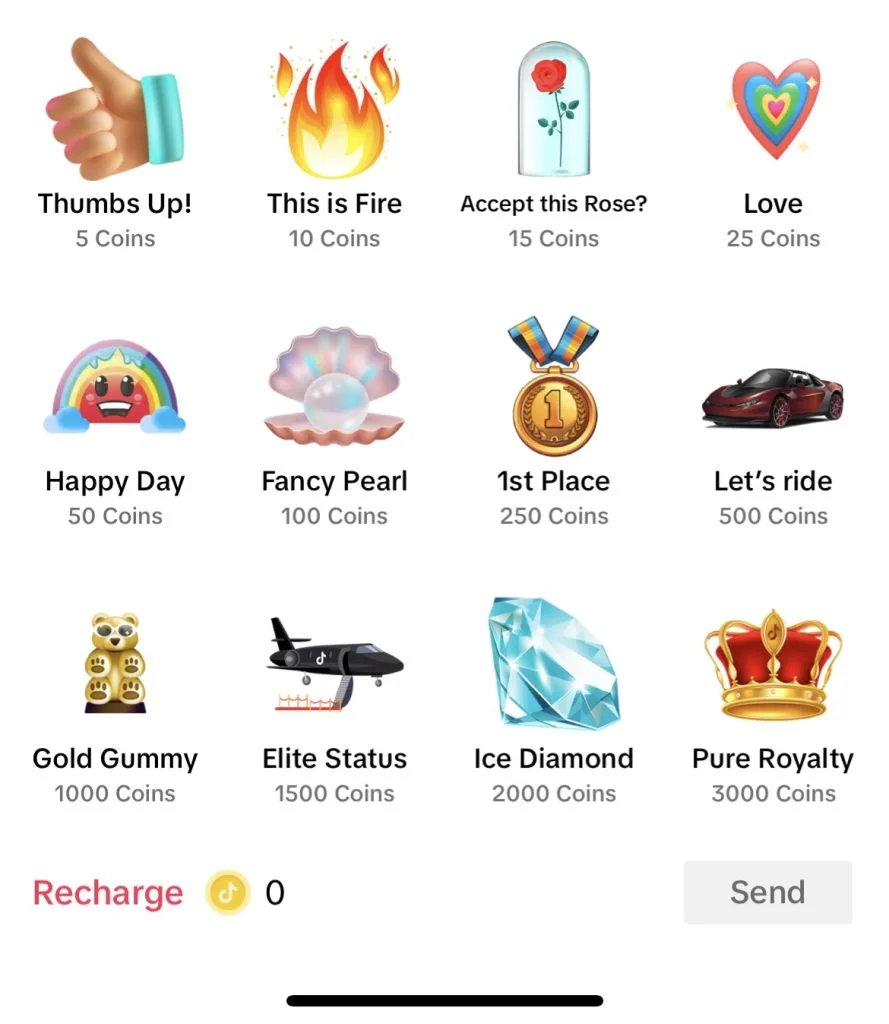
Source: https://metricool.com/
Step 1: Users Purchase Coins or Tokens
The process starts when users buy virtual coins or tokens using real money through in-app purchases. These coins work as the platform’s internal currency and power all financial activity within the app. By purchasing them, users bring real money into the platform, laying the foundation for the entire monetization system.
Step 2: Coins are Used to Buy Digital Gifts
Once users have coins, they can spend them on digital gifts like animations, stickers, or badges. These gifts can be sent to creators during live streams or on short videos. This step turns stored currency into active engagement, while ensuring that all transactions remain within the platform’s ecosystem.
Step 3: Gifts Convert into Gems or Diamonds
When creators receive virtual gifts, their value is converted into gems or diamonds in the creator’s wallet. This standardized conversion helps the platform track earnings accurately, manage payouts efficiently, and maintain consistency across all transactions.
Step 4: Platform Deducts Commission
Before the creator receives the full value, the platform deducts a fixed commission from each transaction. This share helps cover infrastructure costs, payment processing, moderation, and platform maintenance. It also ensures the platform earns revenue from every transaction that happens.
Step 5: Remaining Value is Credited to the Creator
After the commission is deducted, the remaining amount is credited to the creator’s withdrawable balance. Creators can withdraw their earnings or, in some cases, reuse them within the platform to send gifts to others, which further increases activity and engagement within the ecosystem.
Step 6: Content Type Influences Transaction Behavior
The type of content also affects how users spend. Free content usually attracts larger audiences, leading to more frequent transactions and higher overall volume. Meanwhile, paid or premium content encourages users to spend more per interaction by offering exclusive experiences. Both help generate continuous revenue for the platform.
How to Design Digital Gift Types for Higher Monetization
If you want users to spend more through virtual gifting, the design of your digital gifts matters a lot. The type of gifts you offer, how they look, how they are priced, and how they feel to users directly shape spending behavior. An app like TikTok doesn’t just add random gifts; they design different types of gifts to encourage different kinds of spending.
a. Low-Value Gifts to Encourage Everyday Spending
Start by creating low-cost gifts that anyone can afford. These should feel simple, fun, and easy to send without much thinking. Light animations, emojis, or small visual effects work well because they make gifting feel casual.
The idea is to remove hesitation. When users see that sending a gift costs very little, they are more likely to send it often. Over time, this builds a habit of gifting. Even though each purchase is small, frequent microtransactions from many users create steady revenue and strong platform activity.
b. Premium Gifts That Feel Special and Valuable
Along with low-value gifts, it’s important to offer premium options that feel more powerful and noticeable. These gifts should stand out visually — for example, bigger animations, special screen effects, highlighted messages, or extra recognition for the sender.
People are willing to spend more when they feel seen or recognized. Premium gifts give users status and visibility, which increases the value they associate with the purchase. This helps raise the amount spent per transaction and increases overall revenue.
c. Limited or Event-Based Gifts to Create Urgency
Another effective idea is to introduce gifts that are available only for a limited time. These can be linked to festivals, seasonal themes, special campaigns, or creator milestones.
When users know a gift will disappear soon, they feel a sense of urgency. Features like countdown timers or event-based themes make users act faster and spend more. This creates sudden spikes in gifting and keeps the experience fresh and exciting.
d. Collectible or Exclusive Gifts to Create Desire
You can also design gifts that people want to collect or own. These gifts can be rare, limited in quantity, or tied to user status. When something feels exclusive, its perceived value increases.
Users often enjoy collecting items that show recognition or identity on the platform. By introducing scarcity or exclusivity, you encourage repeat purchases and build long-term engagement.
e. Build a Balanced Gift Catalog
The most effective approach is to combine all these gift types. Low-value gifts bring frequent participation, premium gifts increase spending value, limited gifts create urgency, and collectible gifts encourage long-term investment.
The Dopamine Slot Machine: Why Virtual Gifting is a “Brain-Hack”
One of the most potent psychological levers in gifting is unpredictability. Much like a slot machine, users never know exactly how their gift will be recognized. Will the creator mention their name in the middle of a live session? Will an AI-powered assistant respond with a personalized message?
This uncertainty triggers a higher dopamine release than predictable outcomes, making users more likely to engage repeatedly. Every gift becomes a micro-transaction with built-in suspense, turning small monetary actions into a thrill.
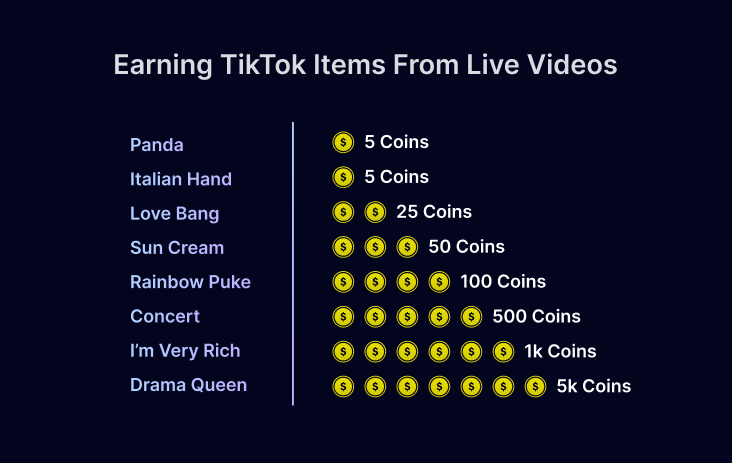
Source: https://retainiq.io/
The Recognition Feedback Loop
The act of gifting itself creates a self-reinforcing loop:
- Action: The user sends a gift.
- Reward: Instant gratification through on-screen animations, sound effects, or creator acknowledgment.
- Craving: The visibility and recognition in a sea of thousands sparks a psychological craving for the next interaction.
This loop transforms a simple gesture into an emotionally addictive cycle. It’s why some viewers send gifts repeatedly, even in small denominations, just to experience the “high” of social visibility.
Social Status Signaling
Virtual gifts in 2026 do more than express support; they are social currency. Premium gifts often come with badges, leaderboards, or “VIP” screen placement, giving senders a public signal of status. The brain responds to this recognition with reward chemicals, activating the same pathways as real-world status achievements. In essence, top-tier gifting becomes social arbitrage: the more visible your gift, the more prestige and influence you accrue.
Key Metrics to Track ROI from Virtual Gifting
To understand whether virtual gifting is truly generating value, platforms must track specific performance indicators that show how user engagement turns into measurable revenue.
Revenue generated per session or content stream shows how much income a single live session or video produces. This metric reflects the earning efficiency of each piece of content and helps identify which experiences encourage more spending. When revenue per session increases, it signals that user attention is successfully converting into transactions.
Average Gift Value (AGV) helps explain user spending behavior by measuring the average amount spent each time a gift is sent. It reveals whether users prefer small frequent purchases or higher-value gifts and helps evaluate pricing strategies and gift design effectiveness.
Gift conversion rate measures how many viewers actually become paying users. While many users may watch or engage with content, this metric shows how successfully the platform turns passive attention into active spending. A higher conversion rate indicates stronger monetization performance.
Long-term sustainability depends on continued participation, which is why repeat gifting ratio and user retention are important. These metrics show whether users return to send gifts again and remain engaged over time. Consistent repeat behavior signals strong user satisfaction and stable revenue potential.
Finally, the lifetime value of paying users measures how much total revenue a single paying user generates throughout their relationship with the platform. This helps evaluate long-term profitability and shows the overall financial impact of maintaining loyal spending users.
Best Practices for Virtual Gifting
- Encourage group participation instead of only individual gifting. Create fan communities or “clans” that can work together and compete on leaderboards to support creators. Friendly competition increases engagement, boosts gifting frequency, and drives higher spending.
- Make gifts meaningful by linking digital to real-world rewards. Let virtual gifts unlock items like flowers, exclusive merchandise, or collectibles. This strengthens emotional connections between fans and creators and makes interactions more memorable.
- Offer lasting recognition through digital ownership. Use limited-edition gifts to unlock permanent badges or collectibles on a creator’s profile. This makes fans feel valued, builds pride and belonging, and encourages long-term loyalty and continued support.
- Display achievements and contributions publicly. When fans can see their own and their group’s impact, it motivates ongoing participation and fosters a sense of community pride.
- Design experiences that balance fun, competition, and emotional value. Users should feel excited, appreciated, and part of something bigger, turning casual interactions into long-term engagement.
2026 Tech Frontier: AI-Twin Interactions
In the coming years, AI agents are set to redefine virtual gifting, turning it from a simple token transaction into a hyper-personalized, immersive experience. Founders who embrace this can create next-level loops that combine emotion, exclusivity, and real-time interactivity.
Source: https://eastleighvoice.co.ke/
AI-Avatar Recognition: Making Every Fan Feel Seen
For top creators who receive thousands of gifts every minute, personally thanking every single fan just isn’t possible. That’s where AI-powered digital avatars come in. These avatars are designed to mirror a creator’s personality and voice, helping them acknowledge fans in a personal way at scale.
When someone sends a gift, the avatar can call them by name and respond in a way that feels natural and relevant to the moment. Fans still get the feeling of being noticed and valued, creators don’t get overwhelmed, and the stronger emotional connection often leads to more engagement and repeat gifting.
Generative AR Visuals: One-of-a-Kind Digital Gifts
Traditional stickers and animations are starting to feel repetitive. AI-driven generative visuals are changing that by creating unique AR gifts in real time. Instead of sending the same animation everyone else uses, fans can give something completely one of a kind.
Imagine sending a gift that appears as a glowing, floating digital sculpture visible only in that moment. Because each experience is unique, it creates a sense of exclusivity and excitement, making the gift feel more meaningful and valuable.
Spatial Gifting: Immersive VR/AR Experiences
With spatial computing on the rise, virtual gifts can become part of the creator’s real environment. For VR or AR users, a gift can appear to hover in the creator’s room or interact with objects in real time. This deepens immersion, makes gifting emotionally richer, and opens the door to premium pricing tiers for highly interactive experiences. Only the right startup mobile app development partner can help you with this.
Why Choose Us – Appkodes
What makes a social or streaming app truly successful? Is it flashy features, viral content, or sheer luck?
The answer is more subtle and more important. With Appkodes, the focus is on building a platform that grows with your audience, handles high engagement gracefully, and adapts as trends shift. Scalability, reliability, and smooth performance aren’t optional; they are the foundation of apps that stand the test of time.
How do you turn passive viewers into active participants? How do you create experiences that are engaging without being overwhelming?
Appkodes helps answer these questions by integrating interactive features like PK battles, multi-guest Live, leaderboards, and virtual gifting in a way that feels natural, intuitive, and sustainable. The goal is not just engagement, but meaningful interaction that keeps users coming back.
At the core, a platform is only as smart as the architecture, design, and insights behind it. With Appkodes, every decision is guided by user behavior, analytics, and thoughtful customization, ensuring your app is more than just functional; it’s future-ready and capable of evolving with your community.
If you’ve ever wondered what it takes to build a social experience that resonates deeply and grows steadily, Appkodes is the partner that helps turn that vision into reality.

Arun Andiselvam
Founder of AppKodes. As a serial entrepreneur, I have successfully established five brands over the past 12 years. After creating a successful rank tracker for SEO agencies, I am currently dedicated to developing the world's first SEO Project Management software.