Future of Short Video Platforms: Why They Won’t Look Like TikTok
As a founder, you might think that replicating TikTok’s business model and some add-on features are enough to make you stand out from others. Right?
Maybe yes. That helps you today. But what if the future of short video platforms looks fundamentally different from the model that made TikTok successful?
It doesn’t mean that TikTok’s business model will completely disappear in the future. But the short-video platform will evolve in the future with a great shift. And that’s crucial for founders.
As TikTok grew, features like AI-driven content discovery powered by AI recommendation algorithms, endless feeds, viral content loops, and recommendation algorithms quickly became the standard playbook for keeping users engaged. At the time, these experiences felt fresh, making it easier for platforms to capture and retain attention.
What helped TikTok, Instagram Reels, and YouTube Shorts stand out years ago no longer feels unique. For most users, these features are simply expected.
The question is whether attention alone is enough to build the next generation of short-video platforms.
For founders, copying TikTok is no longer a strategy.
The biggest opportunity may lie in building a TikTok alternative designed for emerging user behaviour instead of replicating today’s platform.
So, this guide explores the social media trends, platform shifts, and strategic opportunities that could define the future of short video platforms and why the next generation of successful platforms may look very different from TikTok.
The Shift From Content Consumption to Community-Driven Experiences
There is already no shortage of interesting videos on social media platforms. Powerful recommendation algorithms are doing an excellent job of delivering the right content to the right users.
For a while, it looks like the platform is heading in the right direction.
But there is one important question founders should ask: Once the video ends, what reason does the user have to stay?
This is where the next evolution of short-video platforms could begin.
If you pay close attention, most short-video platforms today operate in a loop:
- Put the right content in front of the right users.
- Capture their attention.
- Recommend more similar content.
- Repeat.
At first, this loop feels incredibly engaging. Every swipe brings something new. But after a certain point, the experience starts feeling predictable. Not because the content is bad, but because users have already been through the same cycle countless times before.
This is exactly where community-driven experiences have the potential to create a major shift. But how? Let’s look at a simple example.
Consider a fitness-focused short-video platform. Most users may join to get workout ideas. The videos attract them, but over time, users stop returning only for the videos.
Instead, they come back to track a challenge they joined last week. They want to share their progress, compare results with others, celebrate small wins, and stay connected with people chasing similar goals.
So, what does this mean for founders?
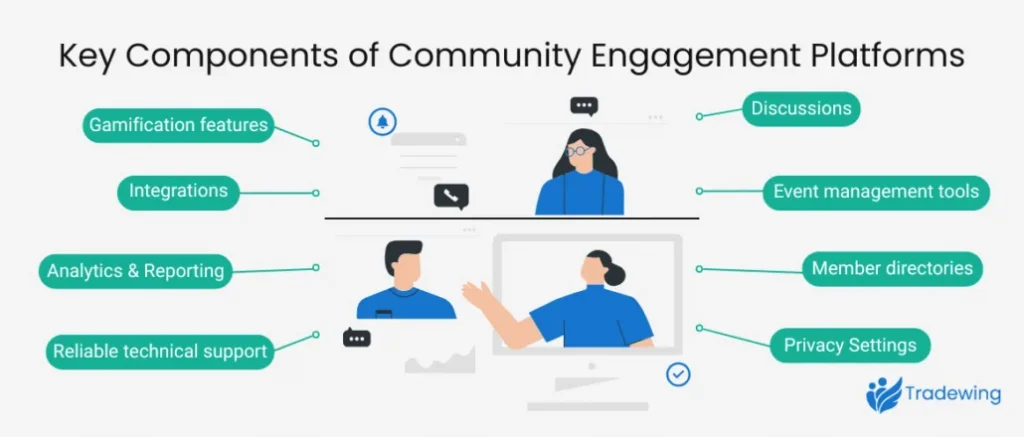
Creating spaces where users can participate, collaborate, and build meaningful connections around shared interests helps founders build a digital community that plays a major role in shaping the next generation of short-video platforms.
This is already visible in platforms like Strava. While fitness content exists everywhere, users do not open Strava only to consume workout information. They return to track progress, compare achievements, participate in challenges, and stay connected with a community that shares the same goal.
More importantly, this shift opens the door to an even bigger opportunity: niche short-video platforms.
In the next section, we’ll explore why niche-focused short-video platforms are gaining attention and the unique advantages they can offer to founders.
Why Niche Short-Video Platforms Are Gaining a Competitive Edge
If community-driven experiences are becoming more important, does it really make sense to build a platform for everyone?
Because it improves long-term user engagement
For years, the common belief was that bigger audiences automatically meant bigger opportunities. The goal was simple: attract as many users as possible and keep them engaged.
But today’s market looks very different.
Users are surrounded by more content than ever before. In fact, the challenge is no longer finding something to watch. The challenge is finding content, people, and conversations that feel relevant.
This is one reason niche community platforms are starting to gain attention.
Think about a platform built specifically for runners. Every video, discussion, challenge, and recommendation revolves around a shared interest. Users don’t have to search through unrelated content to find what matters to them. The platform already understands why they are there.
That creates an experience that general-purpose platforms often struggle to replicate.
A similar approach can be seen in niche communities like Letterboxd, where users are not simply discovering movies. They are building profiles, sharing opinions, tracking their interests, and connecting with people who have similar tastes.
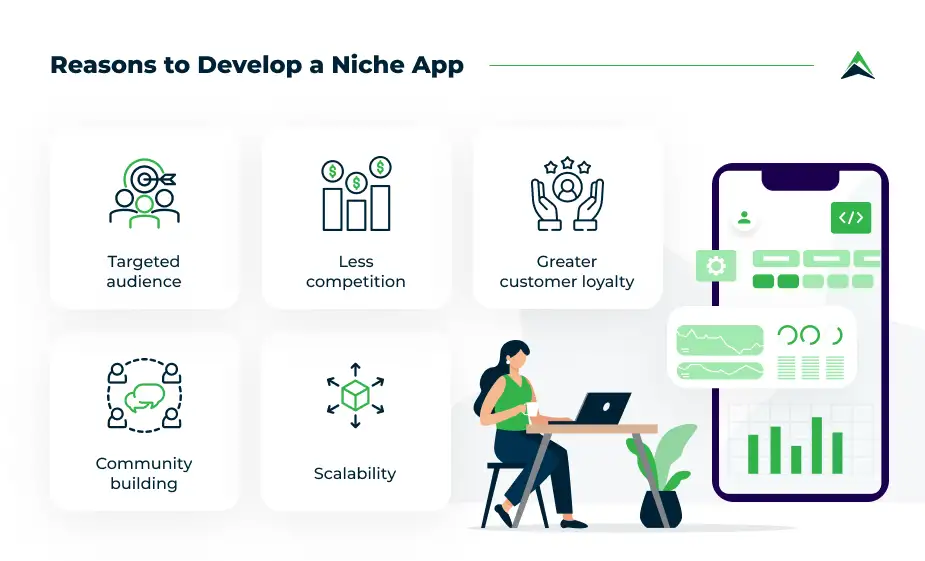
For founders, this highlights an important opportunity: a focused platform does not need to attract everyone. It needs to become valuable enough for a specific audience that users choose it over broader platforms.
The difference between general-purpose and niche short-video platforms is not just about audience size. It is about how deeply a platform understands its users, creates relevance, and builds long-term relationships within a community.
Why Niche Short-Video Platforms Can Create Stronger User Relationships
The comparison below highlights how these two approaches differ across key areas:
| Aspect | General short-video platforms | Niche short-video platforms |
| Audience | Broad audience with diverse interests | Focused community with shared goals |
| User experience | Users discover content through recommendations | Users discover content through shared interests |
| User identity | Mostly, viewers are consuming content | Active participants contributing to a community |
| Community strength | Limited connection between users | Strong relationship and belonging |
| Retention model | Driven by content recommendations | Driven by shared purpose and engagement |
| Monetization potential | Primarily advertising-based | Premium services, subscriptions, commerce |
As content continues to grow, relevance may become a stronger advantage than scale. And that shift could create opportunities for a new generation of focused short-video platforms.
Because once users find a platform that consistently delivers relevant content, the next challenge becomes something else entirely: helping them discover the right content at the right time.
When Content Becomes Infinite, Discovery Becomes the Real Product
What happens when everyone has more content than users can realistically consume?
Interestingly, that is the situation many platforms are facing today.
Users are not struggling to find content anymore. They are struggling to find the right content among an endless stream of options. In many cases, the effort required to discover something valuable is becoming a bigger problem than the lack of content itself.
This creates an unexpected shift for businesses.
As content libraries continue to grow, adding more videos may not automatically improve the user experience. In fact, every additional piece of content creates another decision users have to make. At a certain scale, abundance can start feeling like overload.
The platforms that stand out in the future may not be the ones producing or hosting the most content. They may be the ones that help users reach the right content, creator, community, or opportunity with the least amount of effort.
In other words, the next competitive advantage may not come from content itself. It may come from reducing the distance between what users want and what they discover.
And once discovery becomes that important, another question naturally emerges: should users always depend on feeds to find content, or will search play a much bigger role in the future?
Why Search-First Video Platforms Could Define the Future
Are you open to Google hoping that it will guess what you want? Maybe not. Because already you have an intention, right?
Interestingly, video consumption is starting to move in a similar direction.
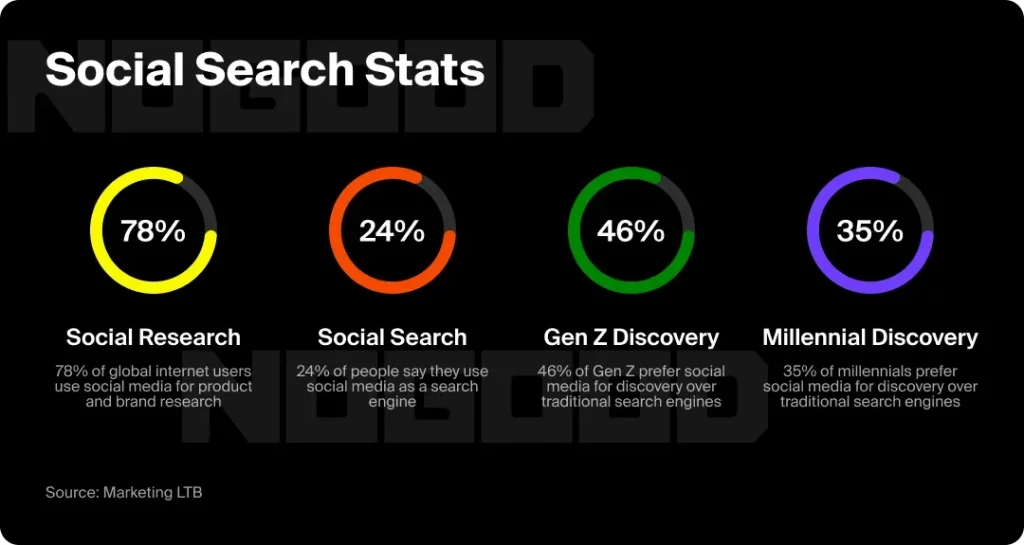
A user looking for “30-day weight loss challenge,” “how to start investing,” or “best running techniques” is not necessarily looking to scroll through an endless feed. They already know what they want. Their goal is to find the most relevant answer as quickly as possible.
Google has reported that roughly 15% of daily searches are queries it has never seen before, demonstrating how often users arrive online with specific intent rather than a desire to browse.
This creates an opportunity that many founders overlook.
Most short-video platforms today are built around recommendation engines. Users open the app, and the platform decides what they should watch next. Search-first platforms flip that relationship. Instead of predicting intent, they respond to it.
That distinction may become increasingly important as content libraries continue to grow.
In a world where millions of videos compete for attention, helping users find exactly what they are looking for could become more valuable than showing them more things they might like.
Future video platforms may not be built around feeds alone. They may combine search, discovery, community, and personalization into a much more intent-driven experience.
And that raises an interesting question. If a platform truly understands user intent, should it optimize for attention or for results?
Future Platforms Will Optimize Outcomes Not Watch Time
Most platforms today celebrate one metric above all else: time spent.
The assumption is simple. If people stay longer, they must be getting value.
But that is not usually how users think.
Nobody opens an app to spend more time inside it. They open it because they want something. Maybe they want to learn a skill, get an answer, improve their health, manage their money, or simply enjoy a few minutes of entertainment.
The extra time comes later. It is a result of the experience, not the reason they showed up.
That small distinction could become important over the next few years.
A person using a fitness app does not really care how many workout videos they watched this month. What matters is whether they became more consistent, lost weight, built strength, or finally stuck to a routine they had been struggling with.
The same pattern appears almost everywhere. In education, people want to learn. In finance, they want better financial outcomes. In wellness, they want healthier habits.
As more niche platforms enter the market, founders may find themselves competing on a different question altogether: What changed for the user after they spent time here?
This outcome-driven approach is already proven by platforms like Duolingo. Users are not returning because they want to spend more time inside the app. They return because they want to maintain progress, complete lessons, and achieve a personal goal.
The platforms that can answer that question clearly may end up building stronger businesses than the ones chasing attention alone.
And if measurable outcomes become the product, advertising may no longer sit at the center of the business model.
Why Future Short-Video Platforms Will Move Beyond Advertising
Why do so many platforms depend on advertising in the first place?
As user expectations evolve, the traditional video platform business model built primarily around advertising may no longer be enough to support long-term growth.
Most social media platforms today generate revenue through a simple formula: the more time users spend on the platform, the more ads they can be served.
For example, Meta generated over 95%+ revenue from advertising.
But if future business models begin valuing outcomes more than watch time, will this advertising strategy still be effective?
Take a platform built around learning a skill. If users are making measurable progress, founders are no longer limited to advertising revenue. They can introduce premium learning paths, certifications, coaching, exclusive communities, or goal-based subscriptions.
As platforms introduce subscriptions, virtual gifting, creator payments, and premium experiences, having an internal wallet infrastructure becomes increasingly important
The same pattern applies to fitness, finance, careers, hobbies, and professional development.
Interestingly, the more valuable the outcome becomes, the less dependent the platform becomes on advertising.
This creates a major opportunity for founders to monetize their platform. Instead of competing for advertising budgets against established giants, they can build businesses around the value users actually receive.
That does not mean advertising will disappear. It will likely remain part of the ecosystem. However, future short-video platforms may increasingly generate revenue from helping users achieve specific goals rather than simply showing the relevant ads.
And once revenue comes from multiple sources, the platform itself starts evolving into something much larger than a content feed.
The Next Generation Video Platform is an Ecosystem, Not Just a Feed
Something interesting happens when you stop looking at short-video platforms as traditional video streaming platforms and start viewing them as complete digital ecosystems.
A fitness creator uploads a workout video. And someone watches it.
In today’s model, that interaction is usually considered complete.
Maybe the user likes the video. Maybe they follow the creator. Maybe they watch a few more clips before leaving the app.
But the actual fitness journey starts after the video ends.
The workout needs to be repeated tomorrow. Questions show up. Motivation drops. Progress needs to be tracked. Some users want accountability. Others want coaching. Many simply want to know whether they’re improving.
The video helps start the journey, but it cannot support the entire journey on its own.
That is why many niche platforms are beginning to look less like media products and more like ecosystems.
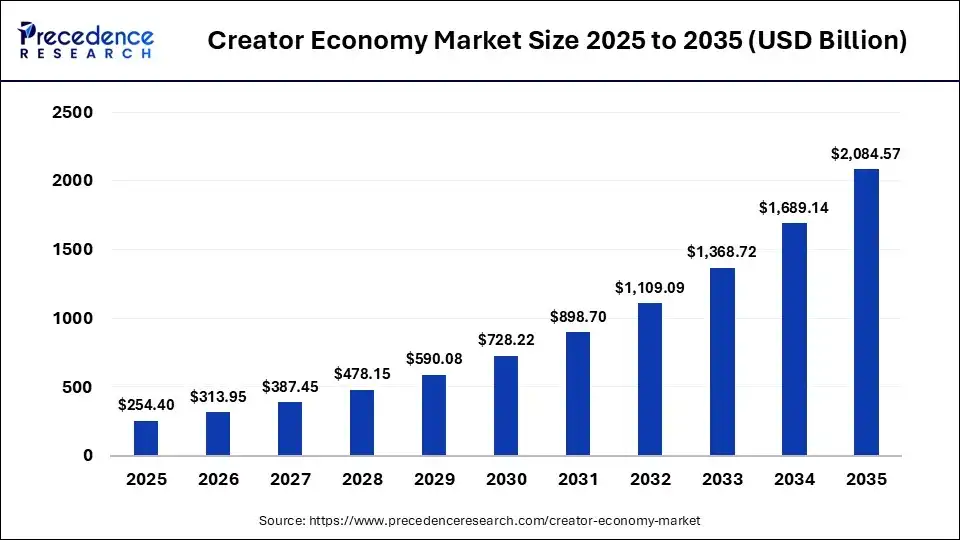
The creator economy is projected to surpass $500 billion in value over the coming years, reflecting a shift from content creation alone to broader creator-led businesses and ecosystems.
The content is still important. It remains the easiest way to attract attention and introduce ideas. But around that content, other layers begin to form. Communities bring people together. Live sessions create interaction.
AI can provide personalized guidance through AI personalization based on each user’s goals. Creator tools open new ways to deliver value.
Individually, none of these features changes much.
Combined, they create an experience that extends far beyond watching videos.
The challenge is no longer finding ways to keep users scrolling.
The bigger opportunity may be helping users continue their journey after the scroll stops. And now, what are the tools that build the future short-video ecosystem?
Key Features Founders Should Prioritize in Future Short-Video Platforms
Throughout this guide, we’ve explored how the future of short video platforms may move beyond endless feeds and recommendation-driven experiences.
The next question is obvious: if you were building a future-ready platform today, what should you prioritize?
While every niche has different requirements, a few capabilities are likely to become increasingly important in the years ahead.
Community-Centric Engagement Features
Every successful online community eventually reaches a point where content is no longer the main attraction.
Modern engagement features go far beyond likes and comments, encouraging users to participate, collaborate, and build lasting relationships within the community.
People return because they recognize familiar faces, follow ongoing conversations, and feel connected to others who share similar interests.
AI-Powered Personal Assistants
Imagine someone trying to learn a new skill through short videos. After watching a few clips, questions naturally start appearing. Which step should they take next? What mistakes should they avoid? This is where intelligent assistance could become far more useful than simply recommending another video.
Creator Monetization Tools and Business Features
As the creator economy continues expanding, creators increasingly expect platforms to provide tools that help them build sustainable businesses instead of relying only on advertising revenue.
A fitness coach, educator, consultant, or industry expert often wants something more sustainable than chasing monthly engagement. For these professionals, creating videos is merely a top-of-funnel gateway to deeper monetization features like memberships, events, or exclusive courses. The ability to sell knowledge, build memberships, run events, or manage a community can turn a content creator into a business owner. Platforms that support that transition may have a stronger long-term advantage.
Beyond memberships and subscriptions, many social platforms are also generating significant revenue through interactive creator engagement features such as PK battles and live competitions.
Search and Intent-Driven Discovery
Think about how people use YouTube today. Many users don’t open the platform just to browse. They arrive with a specific question already in mind and leave once they find a useful answer. Short-video platforms may start to see similar behaviour as users become more intentional about what they consume.
Learning, Events, and Progress Tracking
Watching content feels productive in the moment. But what usually keeps people motivated is seeing evidence that they are actually improving. A visible streak, completed milestone, or achieved goal often creates far stronger retention than another recommended video.
Individually, these features may look like simple product enhancements. But together, they represent a larger shift in how short-video platforms could create value.
The future winners may not be the platforms that keep users watching longer, but the ones that help users achieve more, build stronger connections, and create sustainable ecosystems around content.
How Future Short-Video Platforms Can Create New Business Models
Here is how these platform shifts could translate into new business opportunities:
| Platform Shift | Business Impact |
From passive viewing to community participation | Higher user retention and stronger network effects |
From recommendations to AI-powered guidance | Premium experiences beyond advertising |
From creator views to creator businesses | Multiple monetization streams |
From content discovery to user intent | Higher-value user interactions |
From watching progress to achieving outcomes | Stronger habit formation |
| From content consumption to participation | Paid engagement opportunities |
Shape the Future of Short Video Platforms With Appkodes
The future of short video platforms may not be defined by who builds the best TikTok clone.
Building a future-ready short-video platform requires more than a video feed. Successful short video app development now demands community features, creator monetization, AI capabilities, and scalable infrastructure.
At Appkodes, an app development company, we help entrepreneurs, startups, and businesses build customizable short-video platforms designed for emerging market trends rather than outdated platform models.
Whether you focus on niche communities, creator-driven ecosystems, learning experiences, or next-generation engagement strategies, our solutions provide the flexibility needed to bring that vision to life.
If you’re planning to launch a short-video platform that goes beyond traditional content consumption.
The next billion-dollar social platforms may not look like today’s biggest apps. They will be built around specific communities, meaningful outcomes, and smarter monetization models.
If you have a vision for a next-generation short-video platform, Appkodes can help transform that idea into a scalable product built for where the market is heading.
Frequently Asked Questions
1. What will future short video platforms look like?
Future short video platforms will move beyond endless feeds and focus on community-driven experiences, personalized discovery, AI-powered assistance, creator ecosystems, and goal-based engagement. Instead of only helping users watch videos, future platforms will help users learn, connect, achieve outcomes, and participate in meaningful communities.
2. How will future short video platforms differ from TikTok?
The future of short video platforms will differ from TikTok by focusing on more than content consumption. While TikTok popularized recommendation algorithms and endless feeds, next-generation platforms will prioritize niche communities, search-based discovery, creator monetization tools, user outcomes, and ecosystem-based experiences.
3. Why are niche short video platforms gaining popularity?
Niche short video platforms are gaining popularity because users increasingly want relevant content, focused communities, and meaningful interactions. Unlike general platforms, niche platforms serve specific interests such as fitness, education, finance, or hobbies, helping users connect with the right content and people faster.
4. Will search become more important than feeds in future video platforms?
Yes, search is expected to become more important in future video platforms as users increasingly look for specific answers and solutions. Search-first video platforms can help users discover relevant content based on their intent instead of relying only on algorithm-driven feeds and recommendations.
5. What monetization models can replace advertising in short video platforms?
Future short video platforms can explore multiple monetization models beyond advertising, including subscriptions, premium communities, creator tools, virtual gifting, paid events, courses, certifications, and commerce. These revenue models allow platforms to earn based on user value, creator success, and measurable outcomes rather than only watch time.

Arun Andiselvam
Founder of AppKodes. As a serial entrepreneur, I have successfully established five brands over the past 12 years. After creating a successful rank tracker for SEO agencies, I am currently dedicated to developing the world's first SEO Project Management software.