The Unit Economics Nobody Talks About in Short Video Platforms

“Your short video platform has crossed fifty million user base. Creators are joining daily. Engagement looks strong. Investors are paying attention. At first glance, the business appears to be thriving.…”
The problem is that none of those numbers can tell you whether the business is actually making money as it grows.
Downloads do not pay your bills. Likes do not cover infrastructure costs. In some cases, growth itself becomes the problem when every new user adds more cost than revenue.
The scale behind short video platforms is massive. TikTok has grown to nearly 2 billion monthly active users globally, showing the size of the opportunity. But this scale also creates a deeper challenge — every additional user increases content delivery, storage, processing, and moderation costs.
This is the question many founders overlook: Can a user generate enough value before you spend money acquiring the next one? That question sits at the heart of unit economics.
In this article, we explore how profitable short video platforms grow sustainably instead of becoming expensive growth experiments.
The Real Factors Behind Sustainable Short Video Platform Growth
At first glance, building a short video app seems straightforward. Launch the platform. Add short video feeds. Enable likes, comments, sharing, and creator profiles. Acquire users. Grow the audience.
Yet many platforms with similar features achieve completely different outcomes.
Some continue attracting creators, retaining users, and generating revenue. Others struggle to maintain engagement despite offering nearly identical functionality.
The difference is rarely the feature set itself.
Features determine what users can do on a platform. They do not determine whether users stay engaged, whether creators continue publishing content consistently, or whether the platform can achieve sustainable profitability.
This is where many founders mistake momentum for business strength.
Rather than focusing on what will fuel future growth, a more critical question needs to be asked: Which parts of the business are generating growth that can be sustained over time? The only way to answer that question with confidence is to understand the unit economics driving the platform.
Understanding the Unit Economics Behind Short Video Apps
Most founders think profitability comes after growth. First, you launch the app. Then users arrive. Revenue follows. Profit comes later. In reality, profitable platforms are rarely that simple.
Every user who joins your short-form video app creates both value and cost. The question is whether they generate enough value to justify the money spent acquiring and serving them.
This is what unit economics measures.
Unit economics in a short video platform refers to the revenue generated by each user compared to the cost of acquiring and serving that user. It helps founders determine whether growth is creating profit or increasing losses.
In a TikTok clone app, the unit is usually an active user or creator. Instead of focusing on overall growth, unit economics examines the financial impact of each user.
Profitability depends on a chain of factors:
Launch an app → Customer Acquisition Cost (CAC) → Engagement → Retention → Monetization → Profit
Every stage affects the next. High acquisition costs require stronger user retention. Weak retention increases the pressure to spend more on acquiring new users.
While all of these metrics matter, customer acquisition is often where founders make their most expensive mistakes.
User Acquisition Challenges in a Short Video Platform
Every user comes with a price tag. Sometimes that price tag is an ad campaign. Sometimes it is an influencer partnership. Sometimes it is a referral reward. The issue is not investing in growth. The issue is growing without improving the economics behind it.
The cost of acquiring users has also become a major challenge for app businesses. Mobile app installs can commonly cost around $1–$5, depending on platform and category. But the true measure of acquisition cost is not the install itself—it is the total investment required to turn that user into a paying customer.
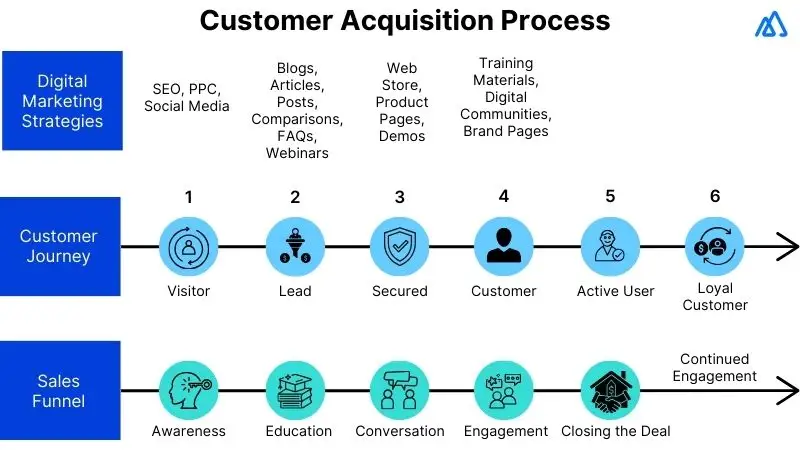
The problem begins when those users leave before generating enough value to recover what you spent acquiring them.
This is where many TikTok clone apps struggle. Growth tells one side of the story. Acquisition costs reveal the price paid to achieve it.
Consider some common examples.
Influencer Campaigns
An influencer can generate thousands of downloads within hours. The dashboard looks impressive. But downloads are not the goal. Retained users are. If users abandon the platform after a few days, the only guaranteed outcome is the money spent on the campaign.
Referral Rewards
Referral programs can accelerate growth through rewards and incentives. The moment incentives stop driving behavior, you discover whether users were attracted to the product or simply to the reward.
Creator Onboarding Costs
Many platforms pay creators to bring audiences onto the app. Because they assume creators attract users. The reality is more complicated. Users may follow a creator once, but they will only stay if the product gives them a reason to return.
The lesson is simple – profitable platforms do not focus on acquiring more users. They focus on acquiring users who stay, engage, and generate more value than they cost.
One strategy many platforms use to improve acquisition efficiency is introducing interactive experiences that naturally encourage sharing and audience participation. Multi-guest live sessions are a strong example of how engagement features can also support organic user growth. (Read: Multi-Guest Live Features for Short Video Platforms)
However, users stay for content. And content depends on creators continuing to show up consistently.
Why Creator Retention Matters in a Short Video Platform
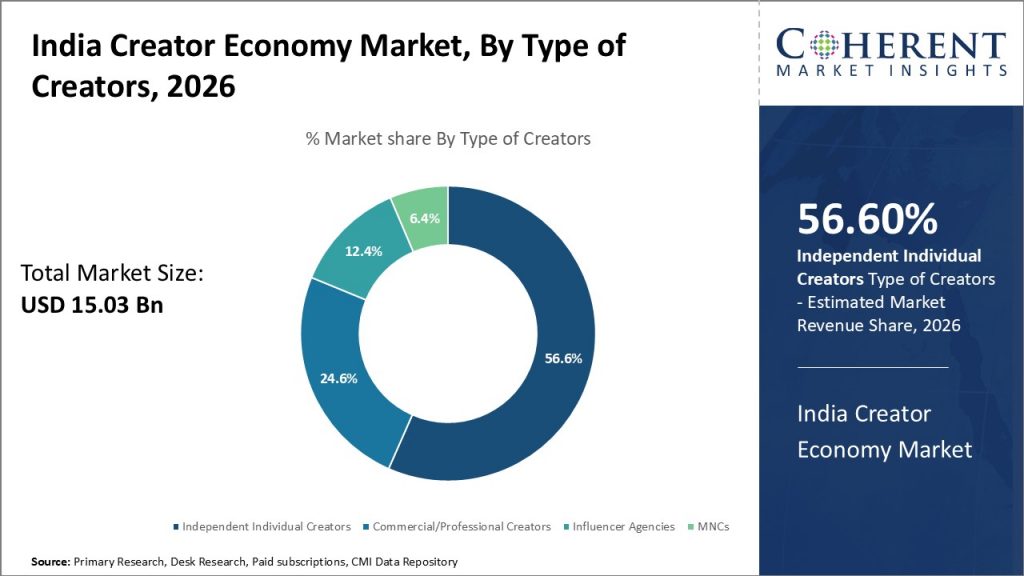
A growing user base alone is not enough to sustain a short video platform. Long-term success in the creator economy depends just as much on creators as it does on users. Content is what brings users to the platform and what gives them a reason to return. That content depends on creators continuing to publish and engage on the platform.
This is why creator retention often matters more than user growth. A platform can acquire thousands of new users through marketing campaigns. But if creators stop posting or move elsewhere, engagement eventually declines as well.
The impact goes beyond content volume:
Creator leaves → Less content → Lower engagement → User churn → Lower revenue
This makes creator retention one of the most important unit economics drivers in a successful TikTok clone apps. It also explains why acquiring creators is only half the battle. Creator acquisition creates cost immediately, while value is generated over time. When creators leave too soon, that balance breaks down.
User growth tells you how many people tried your platform. Creator retention tells you whether the platform is worth staying on.
While creator retention answers who produces value. The next question is whether user engagement actually captures that value.
The Hidden Cost of Low-Quality Engagement
Not every user session contributes equally to platform growth. A user who watches videos for a few minutes and leaves generates activity. A user who follows creators, shares content, returns regularly, or uploads videos creates long-term value.
Engagement quality often improves when users have more ways to interact beyond passive video consumption. Features such as real-time messaging and creator conversations can strengthen user relationships and increase return visits. (Read: Real-Time Chat Features in a Short Video Platform)
These actions strengthen the platform ecosystem by improving audience retention, supporting creators, and creating more monetization opportunities.
This is why successful TikTok clone apps focus less on maximizing engagement and more on encouraging behaviors that lead to long-term user and creator relationships.
Micro-Metrics that Matter
Instead of focusing only on watch time or total views, successful platforms pay attention to smaller behavioral signals. These often include:
- Creator follow rate
- Returning user percentage
- Videos shared per user
- Session-to-session return rate
These micro-metrics reveal whether engagement is creating long-term value or simply generating activity that looks impressive on a dashboard.
Engagement may be the engine behind platform growth, but infrastructure is the fuel that keeps that engine running. The more users interact, the more resources a short video app consumes — making infrastructure costs a critical part of long-term profitability.
The Role of Infrastructure Costs in TikTok Clone App Development
Every new user watches videos. Every creator uploads content. Every interaction consumes infrastructure resources.
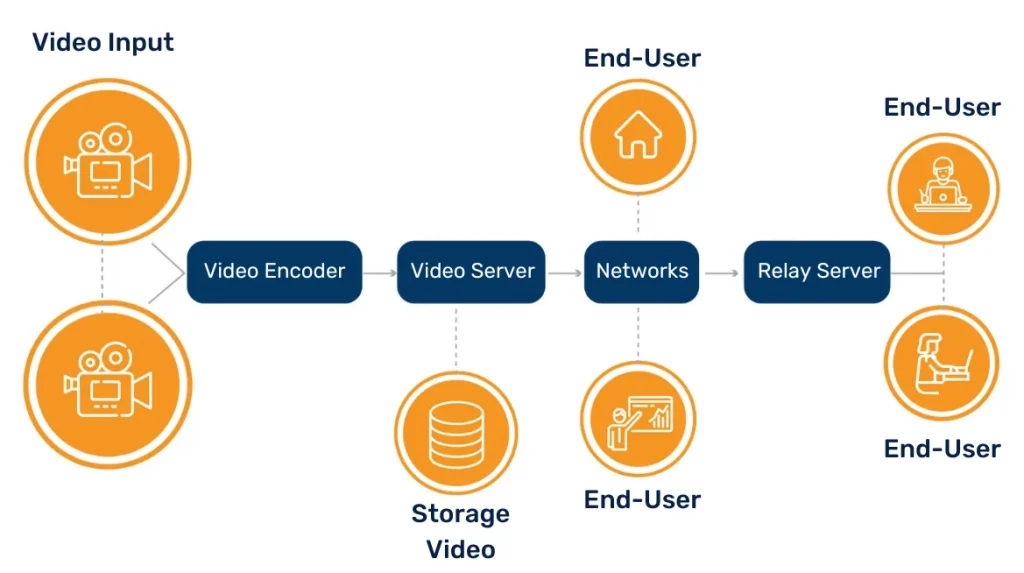
Infrastructure costs grow with activity, not profitability. A user who generates little revenue still consumes video processing, storage, content delivery, moderation, and recommendation resources. Some of the biggest cost drivers include:
Video Processing – Every uploaded video must be optimized before it can be streamed smoothly across devices. Every video uploaded creates additional processing work long before it generates any revenue.
CDN (Content Delivery Network) – Every video view has a delivery cost attached to it. At scale, millions of daily views can turn even small delivery expenses into a major operational cost.
Storage – Videos, thumbnails, and backups must be stored long after they are uploaded. As content accumulates, storage costs continue growing, even for videos that generate little engagement.
Content Moderation – More content means more spam, copyright issues, and policy violations to manage. Whether handled by people or AI systems, moderation becomes an unavoidable operating expense.
AI Recommendations – Personalized feeds improve engagement and retention, but they also require continuous data processing, computing resources, and ongoing optimization.
Managing infrastructure costs helps a platform survive at scale. But the ability to survive does not automatically translate into the ability to scale.
The next challenge is making every piece of content, every creator, and every user interaction more valuable, and that depends on how effectively the platform understands and distributes attention.
Why Recommendation Algorithms Are the Real Growth Engine of a TikTok Clone App
Many TikTok clone apps do not have a content problem. They have a content discovery problem.
Every day, creators upload videos hoping to reach an audience. At the same time, users open the app hoping to find content they care about. The recommendation engine sits between these two expectations.
When it works well, users discover relevant content, creators gain visibility, and engagement grows naturally. When it fails, both sides lose. Users leave because they cannot find content worth watching. Creators leave because their content never reaches the right audience.
This is why recommendation algorithms are far more than a product feature. They are the system responsible for content distribution across the platform.
In many cases, growth is not limited by the amount of content available. It is limited by how effectively the platform connects the right content with the right users. The better a platform becomes at solving this discovery problem, the less it needs to rely on expensive user acquisition campaigns to sustain growth.
A recommendation algorithm can decide what users watch, how long they stay, and whether creators continue publishing. But even the strongest discovery system does not automatically create a profitable business.
Because attention alone is not the finish line. The real challenge is converting that attention into sustainable revenue, stronger unit economics, and a business model that can scale without increasing losses.
When Does a Short Video Platform Clone Actually Become Profitable?
A TikTok clone app becomes profitable long before it dominates the market. The common assumption is that profitability comes after massive scale. In reality, many platforms start moving toward profitability the moment their user economics become sustainable.
From that point forward, growth begins compounding value instead of compounding costs.
The challenge, however, is determining when that shift actually happens. This is where one of the most important unit economics relationships comes into play.
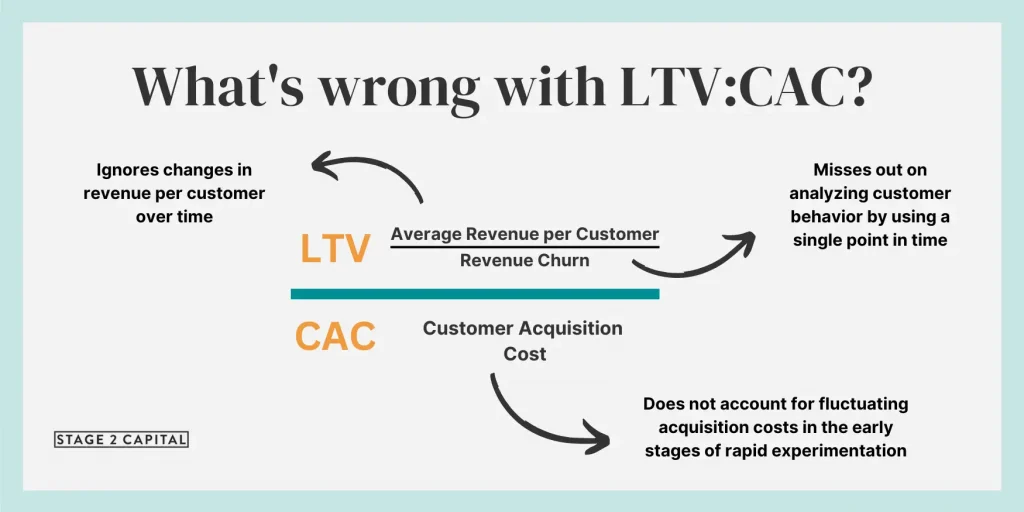
The LTV > CAC + Infrastructure Matrix
At its core, profitable growth comes down to a simple relationship:
Lifetime Value (LTV) > Customer Acquisition Cost (CAC) + Infrastructure Costs
If users generate less value than the cost of acquiring and supporting them, growth only scales losses. When users generate significantly more value than they cost, growth becomes sustainable.
Diversified Monetization
The strongest short video platforms rarely depend on a single revenue source.
Advertising, subscriptions, virtual gifts, creator services, and brand partnerships each contribute to user value in different ways.
Among these video monetization models, virtual gifting has emerged as one of the most effective ways to convert user engagement into creator earnings and platform revenue. (Read: Virtual Gifting Monetization for Short Video Platforms)
The goal is not simply to generate more revenue, but to increase the value created by every retained user.
The wider the gap between user value and user cost, the closer a short-form video platform moves toward sustainable profitability. However, improving these metrics is easier said than done.
Many founders assume the solution is adding more features until the platform looks and feels like TikTok. But feature parity alone rarely improves retention, creator loyalty, monetization, or long-term profitability.
The platforms that sustain growth over time typically compete in areas that are far more difficult to copy.
Building a Scalable Short Video Platform with Appkodes
The economics behind a successful short video platform extend far beyond downloads, views, and engagement metrics.
Sustainable growth comes from balancing customer acquisition costs, creator retention, engagement quality, infrastructure spending, recommendation efficiency, and monetization strategies in a way that creates long-term value.
For founders, understanding unit economics is not just a financial exercise—it is what separates a scalable business from a platform that becomes more expensive as it grows. The strongest platforms are built by teams that understand both the technology and the business mechanics behind sustainable growth. This is where choosing the right development partner matters.
Building a short video platform requires more than replicating features. It requires a platform architecture that supports creator growth, user retention, monetization, content discovery, analytics, and platform scalability from day one.
This is where Appkodes comes into the picture. As a leading mobile app development company, we help founders build short video platforms with a balance of technical scalability and sustainable business economics.
Rather than focusing solely on feature development, we help create platforms designed to improve retention, support monetization, optimize infrastructure efficiency, and drive long-term growth. More importantly, we focus on helping entrepreneurs build platforms designed for long-term growth rather than short-term traction.
Ready to build a TikTok clone with sustainable business economics at its core? Connect with Appkodes and explore how we can help turn your short video platform vision into a scalable and profitable business.
Frequently Asked Questions:
1. What is a short video platform?
A short video platform allows users to create, upload, discover, and engage with short-form video content through personalized feeds and creator communities.
2. How does a short video platform make money?
Most platforms generate revenue through advertising, subscriptions, virtual gifting, creator services, and brand partnerships.
3. What are the unit economics of a short video platform?
Unit economics measure whether a user generates enough lifetime value to cover acquisition, infrastructure, and operational costs.
4. How much does it cost to build a TikTok clone app?
The cost depends on features, scalability requirements, monetization systems, recommendation engines, and infrastructure architecture.

Arun Andiselvam
Founder of AppKodes. As a serial entrepreneur, I have successfully established five brands over the past 12 years. After creating a successful rank tracker for SEO agencies, I am currently dedicated to developing the world's first SEO Project Management software.