The Ultimate Guide to Designing a “Feed For You”

Ever wondered why you open an app “just for a minute” and suddenly find yourself an hour deep into a feed? You’re not alone, and there’s data to back it up. People now spend a global average of about 2 hours and 21 minutes each day on social media, with short‑form video and personalized content driving much of that time.
And it’s not just casual scrolling. On many platforms, algorithm‑curated recommendations make up more than 75 % of the total time users spend in the app, especially on discovery‑focused feeds that learn from what you like and serve up more of the same.
This powerful personalization can feel magical, as if the feed truly “gets” you, but it also raises some big questions about what we’re really engaging with and why.
In this blog, we’ll explore how these “Feed For You” work, the real‑world challenges they can create for users and creators, and how the right solutions can make your digital experience smarter, healthier, and more rewarding.
From Timelines to Tailored Feeds: How We Got Here
The way an app like TikTok presents content to users has changed dramatically over the years. In the early days of social networking, feeds were simple and predictable. Users would open an app and see posts in the order they were published. As platforms grew and the amount of content increased, this approach was no longer practical.
Today, social media platforms use advanced algorithms to decide which posts appear in your feed. To understand how we reached this stage, it is important to look at the three major stages in the evolution of content feeds
Source: https://medium.com/
A. Chronological Feed (The “Inbox Model”)
A chronological feed organizes posts strictly based on the time they were published. The newest content appears at the top of the feed, while older posts gradually move down as new posts are added.
This model functions similarly to an email inbox. Just like how new emails appear first in your inbox, the latest posts appear first in a chronological social media feed. For example, if five people publish posts at different times, the platform simply displays them in reverse order of posting:
- Post at 10:00 AM
- Post at 9:45 AM
- Post at 9:30 AM
- Post at 9:10 AM
- Post at 8:50 AM
No additional ranking or filtering happens. The platform does not attempt to determine which content is more interesting or important. Every post is treated equally.
Why Early Platforms Used It
In the early days of social media, the number of users and posts was relatively small. Platforms did not need complex systems to sort content because users could easily scroll through everything that had been posted.
The chronological feed was also easy to implement from a technical perspective. Developers only needed a simple database query that sorted posts by timestamp. This system offered complete transparency. Users knew exactly why they were seeing a particular post; it was simply the newest one.
Advantages
1. The system is extremely simple. Posts are sorted only by time, making the logic easy to understand for both developers and users.
2. Every post has an equal chance of appearing in the feed. A post’s visibility does not depend on popularity, engagement, or algorithms.
3. Users are in control of what they see. They can scroll back to view older posts without worrying about hidden or filtered content.
Limitations
1. Modern platforms generate enormous volumes of content every minute. It became impossible for users to see everything posted by the people they follow.
2. Even a well-created post can disappear within minutes if many other users post afterward. Quality does not guarantee visibility.
3. Creators who post frequently appear more often in the feed, while others may rarely appear.
4. Users must manually search or scroll to find posts that match their interests.
Because of these limitations, social media platforms began experimenting with alternative ranking systems.
B. Trending / Popular Feed (The “Billboard Model”)
The trending or popular feed ranks content based on popularity signals rather than time. Instead of simply asking “When was this post published?”, the system evaluates how much attention the post receives. Common popularity signals include:
- Total views
- Number of likes or reactions
- Comments and discussions
- Number of shares
- Engagement velocity (how quickly users interact with the content)
Posts that receive a large amount of engagement within a short period are promoted higher in the rankings. This allows viral content to spread rapidly across the platform.
Why Platforms Introduced Trending Feeds
As social media platforms expanded, users wanted an easier way to discover what people were talking about globally. Trending feeds serve as a way to highlight important conversations, viral posts, breaking news, and cultural moments happening across the platform. Instead of browsing through thousands of posts, users can quickly see the most popular content of the moment.
Advantages
Trending feeds introduced several benefits that improved content discovery.
1. When a post receives strong engagement, it can quickly reach millions of users. This enables viral moments that spread across the internet.
2. Users can easily see trending topics, major events, or widely discussed content.
3. Popular posts attract more interactions, which encourages further participation and discussion.
Limitations
Despite its advantages, the trending model also creates several structural problems.
1. A small number of highly viral posts dominate the feed, leaving little space for other content.
2. New or smaller creators may struggle to compete with already popular accounts.
3. Trending feeds show what is popular globally, not necessarily what is interesting to each individual user.
Because of these issues, platforms began developing more sophisticated ranking systems that focused on individual user preferences.
C. Personalized “For You” Feed (The “Mirror Model”)
The personalized feed represents the most advanced stage in the evolution of content feeds. Instead of showing the same content to everyone, the platform creates a unique feed for each individual user. The system analyzes large amounts of behavioral data to predict what content a user is most likely to engage with.
This includes signals such as:
- Posts a user likes or reacts to
- Videos they watch completely
- Accounts they frequently interact with
- Topics they search for
- Content they share with friends
- Time spent viewing certain types of posts
Using this information, machine learning models estimate the probability that a user will engage with a specific piece of content.
Instead of asking:
“What post is the most popular?”
The system asks a more precise question:
“What is the probability that this specific user will engage with this specific post?”
How Ranking Happens
A simplified version of personalized feed ranking looks like this:
- The platform gathers thousands of potential posts.
- It evaluates each post using prediction models.
- Each post receives a relevance score for that user.
- Posts with the highest predicted engagement appear at the top of the feed.
This process happens in milliseconds every time a user refreshes their feed.
Advantages
Personalized feeds transformed how users experience social media.
1. Users are more likely to see posts that match their interests.
2. Every user’s feed becomes different, even if they follow the same accounts.
3. By showing relevant content, platforms encourage users to spend more time interacting with the app.
Why Modern Platforms Rely on the “For You” Experience
The shift toward personalized “For You” feeds is not accidental. Modern platforms rely on this model because it creates value for three key groups in the social media ecosystem: users, creators, and the platforms themselves.
Source: https://www.lifewire.com/
A. User Benefits
Unlike chronological or trending feeds, the personalized feed continuously learns from user behavior and adapts the content shown to each individual.
1. Time-Saving Content Discovery
One of the biggest advantages of personalized feeds is that users no longer need to search extensively for interesting content. Instead of manually browsing through hundreds of posts, the system filters and prioritizes content that is most relevant.
By analyzing signals such as watch time, likes, comments, and shares, the platform quickly learns what types of posts a user prefers. As a result, users can discover relevant content faster with minimal effort.
2. Highly Personalized Experience
A personalized feed adapts to the individual preferences of each user. Even if two people follow the same accounts, their feeds may look completely different. This happens because the platform studies behavioral patterns such as:
- Types of videos watched fully
- Posts frequently liked or shared
- Topics searched or explored
- Accounts that receive the most interaction
Over time, the feed becomes a reflection of the user’s interests, hobbies, and preferences.
3. Increased Engagement Satisfaction
Users are more likely to enjoy their time on a platform when they consistently see content that matches their interests. Personalized feeds increase the chances that users encounter posts they find entertaining, informative, or emotionally engaging.
Because the feed aligns with user preferences, the experience feels more satisfying and engaging compared to randomly browsing content.
4. Effortless Exploration
Another important benefit is the ability to discover new topics and creators without actively searching for them.
The algorithm often introduces content slightly outside a user’s usual interests. This helps users explore new communities, trends, and ideas that they might not have discovered otherwise.
This balance between familiarity and discovery is a key reason personalized feeds remain engaging over long periods of time.
B. Creator Benefits
This dynamic system improves along with content discovery, and it also supports the growth of creators.
1. Equal Opportunity for Visibility
In traditional follower-based systems, creators with large audiences dominate visibility. Personalized feeds reduce this imbalance by ranking content based on performance rather than follower count.
This means that even a new creator with very few followers can reach a large audience if their content resonates with viewers. As a result, the platform becomes more accessible to emerging creators.
2. Performance-Based Growth
Personalized feeds reward engaging and high-quality content. When a post performs well with a small group of users, the algorithm may gradually show it to larger audiences. This process allows content to go viral based purely on engagement signals such as:
- Watch time
- Likes
- Shares
- Comments
Creators who consistently produce engaging content can grow rapidly regardless of their starting size.
3. Real-Time Feedback
Another advantage for creators is the availability of immediate feedback through engagement metrics. Creators can quickly analyze how their audience responds to different types of content by observing:
- View counts
- Engagement rates
- Audience retention
- Comments and discussions
This data allows creators to refine their content strategy and improve future posts.
4. Creative Experimentation
Personalized feeds encourage experimentation because creators are not limited to a fixed audience. If a new type of content performs well, the algorithm can automatically distribute it to interested viewers. This creates a relatively low-risk environment where creators can test niche topics, innovative formats, or creative storytelling approaches.
C. Platform Benefits
TikTok’s success not only depends on the users or creators, but also on the way they present their platform creatively.
1. Improved User Retention
Platforms benefit significantly from personalized feeds because they keep users engaged for longer periods. When users consistently find content they enjoy, they are more likely to return regularly. Higher retention rates are critical for the long-term success of social media platforms.
2. Increased Session Duration
Personalized feeds often lead to longer user sessions. As users continue scrolling, the platform constantly delivers new content that aligns with their interests. This creates a continuous engagement loop where users remain on the platform longer than they initially intended.
3. More Effective Advertising
Personalized feeds generate large amounts of behavioral data. This information allows platforms to deliver targeted advertisements that match user preferences. For advertisers, this improves the effectiveness of marketing campaigns, while platforms benefit from increased advertising revenue.
4. Scalable Content Discovery
With millions of creators producing content daily, platforms need a scalable way to distribute posts. Personalized algorithms help surface content from a wide range of creators instead of relying only on follower networks. This ensures that:
- New creators can be discovered
- Content remains fresh and diverse
- The platform continues to grow with new ideas and communities
Signals: How the Algorithm Understands User Interests
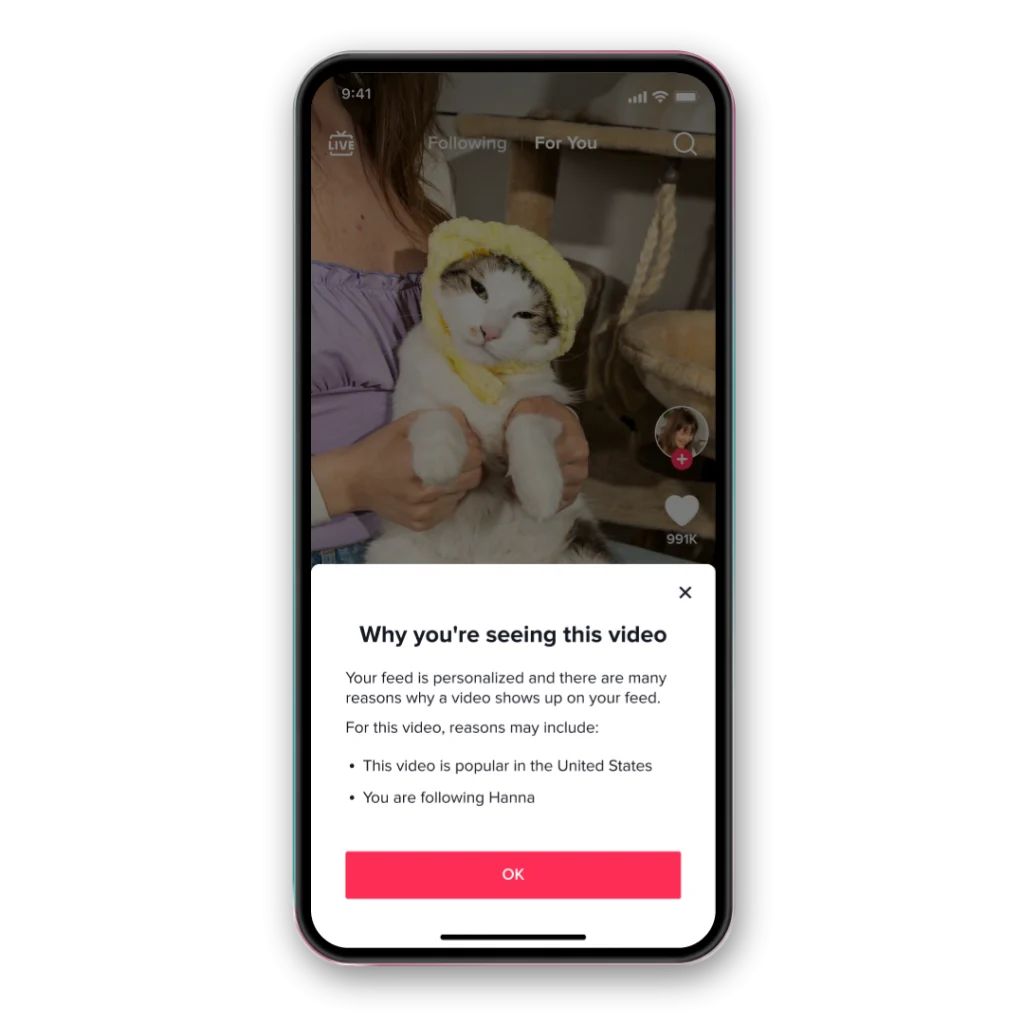
Modern recommendation systems rely on signals to decide what content should appear in the user’s “feed for you”. A signal is a measurable piece of information that reveals something about a user’s preferences, behavior, or interests.
Every time a user watches, likes, skips, or interacts with content, they generate data. The algorithm collects and analyzes these signals to predict what content the user will most likely engage with next.
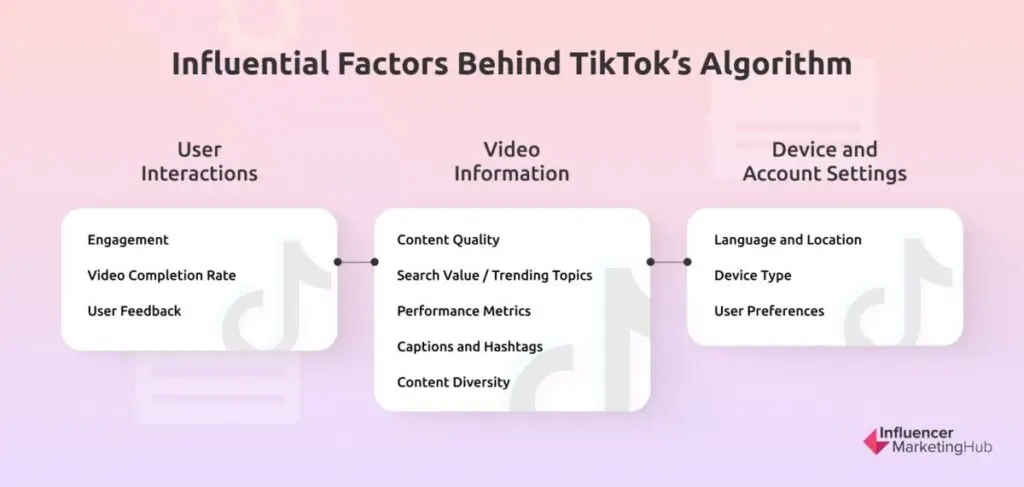
In most modern social media platforms, signals can be grouped into three main categories: user interaction signals, content signals, and contextual signals.
Source: https://techcrunch.com/
Weight 1: User Interaction Signals (Behavioral Signals)
User interaction signals describe how a person behaves when interacting with content. These signals are considered one of the most powerful indicators of user interest because they reflect real user behavior.
Behavioral signals are generally divided into active signals, passive signals, and negative signals.
Active Signals
Active signals occur when a user intentionally interacts with content. These actions require effort from the user and clearly indicate positive interest.
Examples include:
- Liking a post or video
- Commenting on content
- Sharing content with others
- Saving or bookmarking a post
- Following the creator who posted it
When a user performs these actions, the algorithm interprets them as strong indicators of interest. As a result, the system may show more content from similar creators or topics.
For example, if a user frequently likes cooking videos, the recommendation system may start suggesting more recipes, food creators, or kitchen-related content.
Passive Signals
Passive signals are behavioral indicators that occur naturally while a user consumes content, without requiring an explicit action. These signals often reveal deeper insights into user interest because they reflect genuine viewing behavior rather than deliberate interactions.
Common passive signals include:
- Watch Time – how long a user watches a video
- Completion Rate – whether the user watches the entire video
- Rewatch Rate – how often the user watches the same video again
- Pause Duration – whether the user pauses to observe or read something
- Scroll Speed – how quickly a user scrolls past content
For example, if a user watches an entire video without skipping, the algorithm may interpret that as a strong signal that the content was engaging.
Interestingly, many recommendation systems consider passive signals more reliable than likes because users often like posts casually, but watch time reflects genuine interest.
Negative Signals
Negative signals help the algorithm understand what the user does not want to see. These signals are extremely important because they prevent the system from repeatedly showing unwanted content. Examples of negative signals include:
- Skipping a video immediately after it starts
- Selecting the “Not Interested” option
- Reporting a post or video
- Muting or unfollowing a creator
- Hiding similar posts
When these signals appear, the recommendation system adjusts its predictions and reduces the likelihood of showing similar content in the future. By combining positive and negative signals, the platform continuously refines the feed to better match user preferences.
Weight 2: Content Attributes (Content Signals)
While behavioral signals describe how users interact with content, content signals describe the characteristics of the content itself. These signals help the algorithm understand what the content contains and which audiences might be interested in it. Content signals usually include visual features, audio features, and text metadata.
Visual Features
Modern recommendation systems use computer vision technology to analyze images and video frames. These models can detect:
- Objects
- Environments
- Activities
- Facial expressions
- Movement patterns
For example, a video might be automatically labeled with tags such as:
- dog
- beach
- cooking
- sports
- travel
These visual tags help the system categorize the content and recommend it to users who frequently interact with similar topics. For instance, if a user often watches travel videos, the algorithm may prioritize videos tagged with landscapes, airports, beaches, or tourist destinations.
Audio Features
Audio analysis is another important component of content classification. Recommendation systems can analyze audio tracks to identify:
- Background music
- Speech patterns
- Sound intensity levels
- Trending sound clips
- Popular music tracks
On many short-video platforms, audio signals play a major role in content discovery. When a particular sound becomes popular, videos using that sound may receive increased exposure. Creators often take advantage of this by using trending sounds to increase the chances that their content will appear in recommendation feeds.
Text Metadata
Text metadata provides additional context about the content. Algorithms analyze text elements such as:
- Captions
- Hashtags
- Subtitles
- Comment sections
- Keywords spoken within the video
These textual signals help the system understand the topic of the content.
For example, a video with hashtags like #fitness, #workout, and #health will likely be categorized under fitness-related content and recommended to users interested in health and exercise. Combining visual, audio, and textual signals allows the algorithm to build a more accurate understanding of the content.
Weight 3: Contextual Signals (Situational Signals)
Contextual signals describe the environment in which a user consumes content. These signals help platforms adapt recommendations based on the user’s current situation.
Unlike behavioral signals, contextual signals do not directly reflect interest in a topic. Instead, they provide background information that helps improve the timing and relevance of recommendations.
Examples of contextual signals include:
- Time of day – users may prefer different content in the morning versus late at night
- Geographic location – local trends or region-specific content may be prioritized
- Device type – mobile users may prefer shorter content compared to desktop users
- Internet connection speed – slower connections may receive lower-resolution content
- Language preference – feeds may prioritize content in the user’s preferred language
For example, during major local events or festivals, platforms may promote content related to those events for users in that specific region. Similarly, if a user frequently watches videos in a particular language, the recommendation system will prioritize content in that language.
How a “For You” Feed is Generated Behind the Scenes
When a user opens a modern social media app, the platform must decide which posts to show and in what order. At any given moment, millions of posts may be available across the platform. Ranking all of them in real time for every user would require enormous computational power.
To solve this challenge, most platforms use a multi-stage feed generation system. Instead of evaluating every post, the system first narrows down the content to a manageable set and then ranks it using machine learning models.
This process typically occurs in two major stages: candidate generation (retrieval) and ranking (prediction).
Source: https://influencermarketinghub.com/
Stage 1: Candidate Generation (Retrieval Layer)
The first stage focuses on selecting a small pool of potentially relevant content from a very large content database.
Social media platforms may store millions or even billions of posts, but evaluating all of them for each user would be too slow. Instead, the system retrieves a smaller group of posts that are likely to match the user’s interests. This collection is called the candidate pool.
Typical candidate pool size:
500 – 2000 posts
These posts are selected using several retrieval techniques.
Collaborative Filtering
Collaborative filtering is one of the most widely used recommendation methods. It identifies patterns among users who behave similarly.
The system analyzes user behavior and looks for users with comparable interests. If many users interact with the same types of content, the algorithm assumes their preferences may overlap.
For example:
- User A likes cooking videos
- User B likes cooking videos
- User B also watches baking tutorials
The system may then recommend baking tutorials to User A because users with similar interests enjoyed that content. This technique allows the platform to discover relationships between users and content even when the content itself is very different.
Content-Based Filtering
Content-based filtering focuses on the attributes of the content itself. Instead of comparing users, the system analyzes the characteristics of posts that a user previously interacted with. It then retrieves other posts with similar attributes.
For example:
If a user frequently watches:
- cooking tutorials
- recipe videos
- food preparation clips
The system retrieves additional posts related to food, cooking techniques, or kitchen tips. This method ensures that the feed continues to show content aligned with the user’s known interests.
Creator-Based Retrieval
Another important retrieval method involves creator relationships. The system often pulls content from creators who are already connected to the user in some way. This may include:
- Creators the user follows
- Creators whose content the user frequently watches
- Creators similar to those the user previously interacted with
- Emerging creators whose audiences share similar interests
This strategy helps maintain a balance between familiar creators and new discoveries.
Trending and Fresh Content Retrieval
To keep the feed dynamic and interesting, platforms also inject different types of content into the candidate pool. These may include:
Trending posts: These are posts that are currently gaining high engagement across the platform.
Newly uploaded content: Fresh posts that have not yet been widely distributed.
Experimental content: Content used by the algorithm to test user reactions and gather new signals. This stage ensures that the feed remains fresh, diverse, and responsive to emerging trends.
Stage 2: Ranking (Prediction Layer)
After the candidate pool is created, the next step is ranking.
At this stage, the system uses machine learning models to estimate how likely a user is to interact with each post. Instead of simply measuring popularity, the model predicts the probability of engagement for that specific user. Each post receives a predicted engagement score.
The ranking model considers many signals, including:
- Watch time
- Likes
- Shares
- Comments
- Saves
- Follows
- Skip behavior
These signals are combined using weighted importance values.
A simplified conceptual scoring formula might look like this:
Score = (W1 × Watch Time) +(W2 × Likes) +(W3 × Shares) +(W4 × Comments) −
(W5 × Skips)
In this formula:
- Positive interactions increase the score
- Negative signals decrease the score
- Each signal has a weight that reflects its importance
For example, watch time may be weighted more heavily than likes, because it indicates stronger engagement.
The Cold Start Problem
Recommendation systems rely heavily on historical data. When there is little or no data available, the system struggles to make accurate predictions. This challenge is known as the cold start problem. Cold start situations usually occur in two main scenarios: new users and new creators.
A. New User Cold Start
When a user joins a platform for the first time, the system has no behavioral history to analyze. Without past interactions, it becomes difficult to determine what type of content the user prefers. To address this problem, platforms use several strategies.
Onboarding Preference Selection
Many platforms ask new users to select topics or interests during the sign-up process. For example, users may choose interests such as:
- technology
- travel
- fitness
- cooking
- gaming
These initial selections provide the algorithm with a starting point for recommendations.
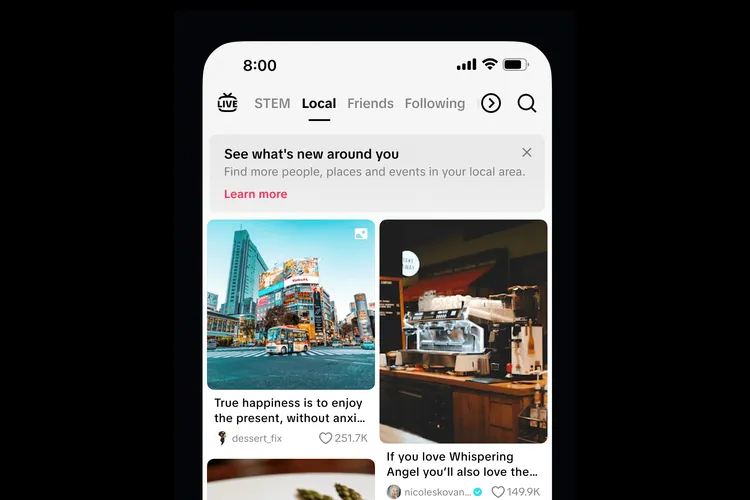
Location-Based Trends
Platforms may also recommend content that is popular within the user’s geographic region. Local trends often reflect cultural interests and current events relevant to that audience.
Demographic-Based Predictions
In some cases, recommendation systems use aggregated behavioral patterns from similar user groups to estimate initial preferences.
Globally Popular Content
Another common approach is showing highly engaging or widely popular content across the platform. Viral posts often perform well with new users because they have already proven to be broadly appealing.
Over time, as the user interacts with content, the system gradually replaces these default recommendations with more personalized ones.
B. New Creator Cold Start
Cold start challenges also affect creators who upload content for the first time. When a creator publishes a new post, the platform does not yet know how audiences will respond to it.
To solve this problem, platforms often distribute new content in small testing batches.
Instead of showing the post to millions of users immediately, the algorithm gradually increases exposure based on engagement performance.
Example Distribution Stages
A typical testing process might look like this:
- Stage 1: Content shown to around 100 viewers
- Stage 2: If engagement is strong, it expands to 1,000 viewers
- Stage 3: Strong performance may increase distribution to 10,000 viewers
- Stage 4: Exceptional engagement can trigger viral expansion
At each stage, the algorithm evaluates signals such as:
- watch time
- likes
- shares
- comments
- completion rate
If these engagement metrics remain strong, the content continues moving to larger audiences.
This staged distribution system allows platforms to identify high-quality content early while minimizing the risk of promoting low-performing posts.
User Controls and Transparency
Although modern “feed for you” is powered by complex algorithms, most platforms provide tools that allow users to influence what they see. These controls are important because they give users a sense of ownership over their feed and improve transparency in how recommendations work.
Without user control, recommendation systems could feel unpredictable or overwhelming. By allowing users to provide feedback, platforms can adjust the algorithm’s behavior and deliver a more satisfying experience.
Common User Control Features
Most platforms include several built-in tools that allow users to refine their feeds.
#1 “Not Interested” Feedback
This option allows users to signal that they do not want to see similar content in the future. When selected, the algorithm reduces the likelihood of recommending related posts.
#2 Topic Filtering
Some platforms allow users to filter or reduce content from specific topics. For example, users may choose to see less content related to politics, spoilers, or certain categories.
#3 Muting Creators
Users can mute specific creators without unfollowing them. This prevents content from appearing in the feed while maintaining the connection.
#4 Hiding Hashtags or Keywords
Users may also hide posts containing particular hashtags or keywords. This helps remove unwanted topics from recommendations.
#5 Following Feed Tab
Many platforms include a separate feed tab that shows posts only from accounts the user follows. Unlike algorithmic feeds, this view often displays content in chronological order.
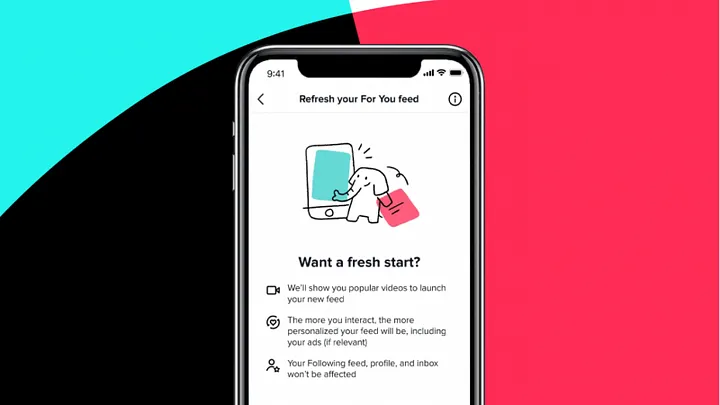
#6 Resetting Recommendations
Some platforms provide the option to reset recommendation data entirely. This clears previous interaction history and allows the algorithm to rebuild the user’s feed from scratch.
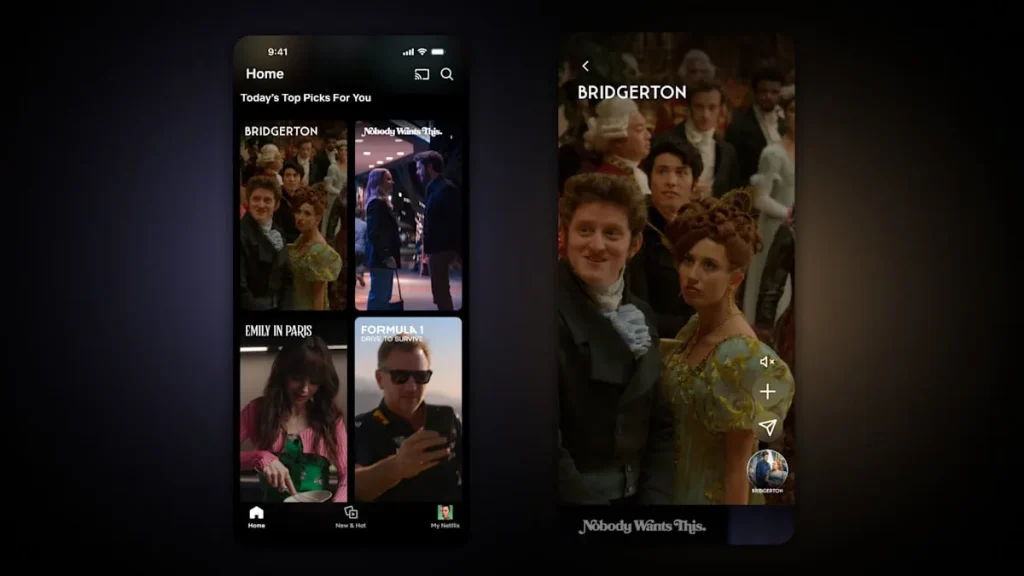
Source: https://in.mashable.com/
How Appkodes Helps Overcome Common Challenges
Building digital platforms, especially with personalized “feed for you,” comes with its own set of challenges, but with the right team, these hurdles can turn into opportunities for growth. Here’s how Appkodes, a leading startup mobile app development company, helps you tackle them:
Algorithms can sometimes trap users in repetitive content, limiting exposure to new ideas. Our team designs recommendation systems that promote diverse perspectives and meaningful discovery, ensuring your users stay engaged with fresh and relevant content.
Keeping users engaged without overwhelming them is an art. Appkodes builds smart engagement strategies that balance attention and user satisfaction, helping your audience enjoy your platform while avoiding burnout or overuse.
Content creators often feel stressed trying to meet algorithm-driven demands. We provide tools and features that empower creators to showcase their best work effortlessly, maintain visibility, and focus on creativity rather than constant performance tracking.
Beyond addressing these challenges, our solutions are designed to grow with your business. From analytics to personalized feed for you, we ensure your platform stays efficient, user-friendly, and ready for long-term success.

Arun Andiselvam
Founder of AppKodes. As a serial entrepreneur, I have successfully established five brands over the past 12 years. After creating a successful rank tracker for SEO agencies, I am currently dedicated to developing the world's first SEO Project Management software.