Why Your App Needs an Internal Wallet System
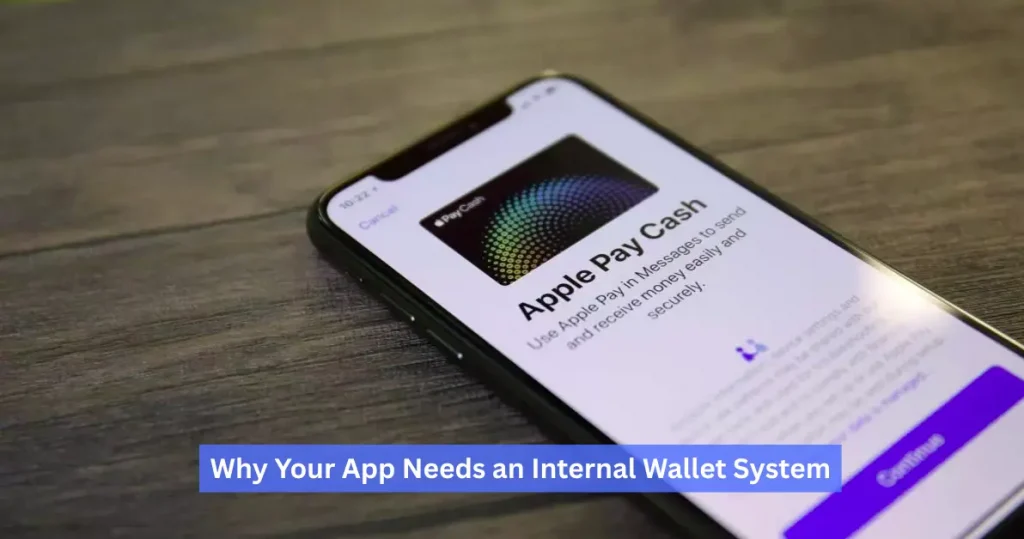
Did you know that over 4.8 billion people actively use social media worldwide, according to the University of Maine?
But something interesting is happening on social platforms today. Users are no longer just watching videos or scrolling through posts. Many of them are spending money inside the apps for new experiences.
For example, people send virtual gifts during live streams, unlock exclusive content, or support their favorite creators. Even though these features require payment, users still participate because they enjoy the excitement and the feeling of being part of the moment.
This behavior is growing fast. The creator economy is expected to reach around $480 billion by 2027, showing how digital interactions are turning into real spending opportunities. Platforms like TikTok, Instagram, and YouTube already use features such as coins, virtual gifts, and paid interactions to encourage this activity.
Most of these payments are small and quick, but when millions of users do them every day, they create a huge flow of transactions inside the platform.
So the important question for entrepreneurs is:
How do social platforms manage all these fast and frequent in-app transactions smoothly?
In this blog, we will explore how the internal wallet system supports these interactions and why they are becoming an important feature in modern social apps.
What is an Internal Wallet? Your App’s Built-in Pocket
An internal wallet is a secure, built-in digital balance within a social content platform that allows users to store funds or platform credits and use them for in-app transactions. Instead of redirecting users to external payment gateways for every purchase, the wallet enables seamless in-app spending such as sending virtual gifts, tipping creators, or subscribing to premium content. It serves as the financial layer that powers smooth, instant transactions across the platform’s ecosystem.
Wallets vs Direct Payments: Why One-Click Wins
When someone opens your TikTok-like app, they’re not thinking about payments. They’re thinking about watching a live stream, sending a gift, unlocking a feature, or supporting a creator. Payments are simply a step in that journey, and if that step feels complicated, the journey often ends there.
That’s the real difference between direct payments and internal wallets. One interrupts the experience. The other blends into it.
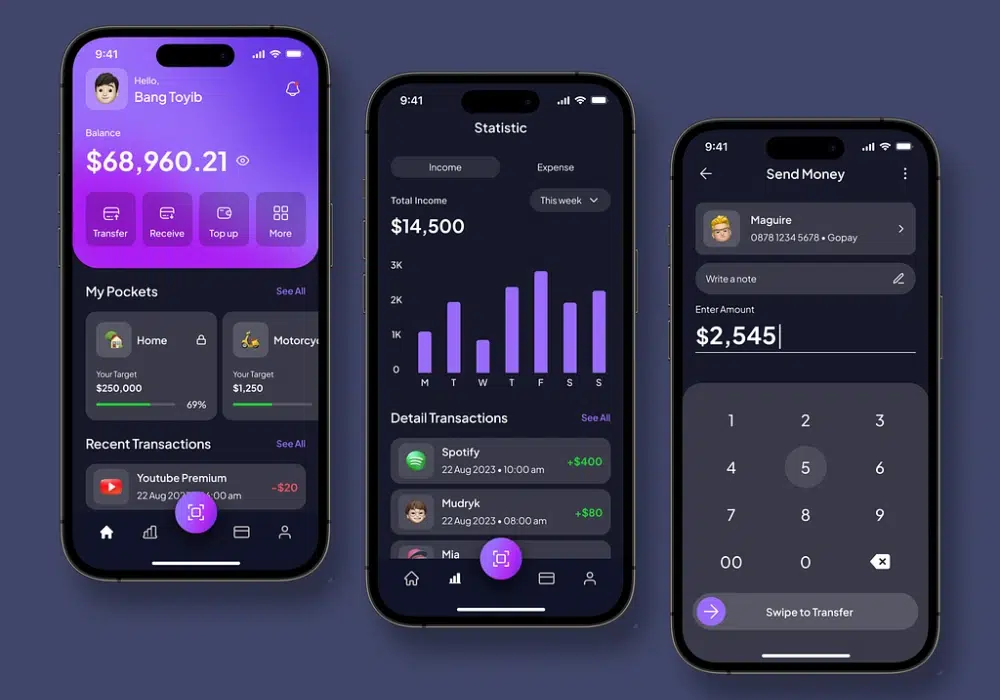
Source: https://savvycomsoftware.com/
The Direct Payment Experience
With direct payments, users complete a full transaction every single time they want to spend money. They choose a payment method, enter card or UPI details, verify with an OTP, wait for confirmation, and then return to the app.
Most apps depend on trusted providers like Stripe, Razorpay, or PayPal to process these transactions securely. These platforms are reliable and essential for handling money safely.
But even when everything works perfectly, the experience still feels like a process.
And here’s the issue: the more effort something requires, the less likely users are to complete it, especially for small amounts.
If someone wants to send a ₹10 tip or buy a small in-app item, asking them to go through a full payment flow can feel excessive. Many will simply skip it.
The Internal Wallet Experience
An internal wallet changes the rhythm completely. Instead of paying every time, users add money once. That balance sits inside your app, ready to use. From that point forward, payments become instant, just a tap, and it’s done.
This approach became widely popular in India through platforms like Paytm, where users preload funds and use them seamlessly across services.
Inside your app, it works like this:
- A user adds ₹500 once.
- The amount appears in their in-app wallet.
- They can now spend ₹10, ₹50, or ₹100 instantly.
- No OTP every time.
- No redirection.
- No disruption.
It feels smooth. Almost invisible. And that’s exactly why it works.
Why One-Click Wins
a. It Makes Micro-Transactions Possible
Modern apps often rely on small, frequent transactions:
- Virtual gifts
- Tips
- Coins or credits
- Premium unlocks
- Live-stream rewards
Users are unlikely to complete a full banking process for tiny amounts again and again. But if the money is already in their wallet, spending becomes casual and convenient.
Internal wallets don’t just support micro-transactions; they make them sustainable.
b. It Changes Spending Psychology
There’s also a subtle psychological effect at play.
When users preload money, they mentally categorize it as “app balance” rather than “bank balance.” Spending from a wallet feels lighter than initiating a fresh transaction from their bank account each time.
That small shift in perception often leads to higher transaction frequency and greater participation.
c. It Supports Real-Time Interaction
If your app includes live features such as streaming, battles, auctions, and interactive sessions, delays can break the moment.
Direct payments can introduce waiting time and redirections. A wallet keeps everything inside the app and is instant, similar to how digital platforms like Pandora keep users engaged by delivering audio content continuously without interrupting the listening experience.
In real-time environments, speed isn’t just convenient, it’s critical.
d. It Reduces Transaction Overhead
From a business perspective, every direct payment triggers processing fees and verification costs. For small-value transactions, those costs add up quickly.
With a wallet system:
- Users load money once.
- Multiple small transactions happen internally.
- Gateway fees are minimized per action.
This improves operational efficiency while supporting higher engagement.
When Direct Payments Still Work
Direct payments absolutely have their place.
They’re ideal for:
- High-value purchases
- Annual subscriptions
- E-commerce checkouts
But if your app depends on repeated, smaller transactions, especially in social, gaming, or creator-driven ecosystems, an internal wallet system often creates a smoother and more profitable structure.
The Experience Difference
Imagine two apps.
In one app, a user wants to send a ₹20 tip. They leave the stream, enter details, verify with an OTP, and wait for confirmation. The moment passes.
In another app, they tap “Send Tip.” The balance updates instantly. The stream continues without interruption.
The second experience feels natural. Effortless. Seamless.
And that’s why one-click wins.
An internal wallet system isn’t just a payment feature. It quietly improves conversions, strengthens engagement, and supports recurring revenue. For apps built around interaction and repeated spending, it’s no longer an add-on; it’s part of the foundation.
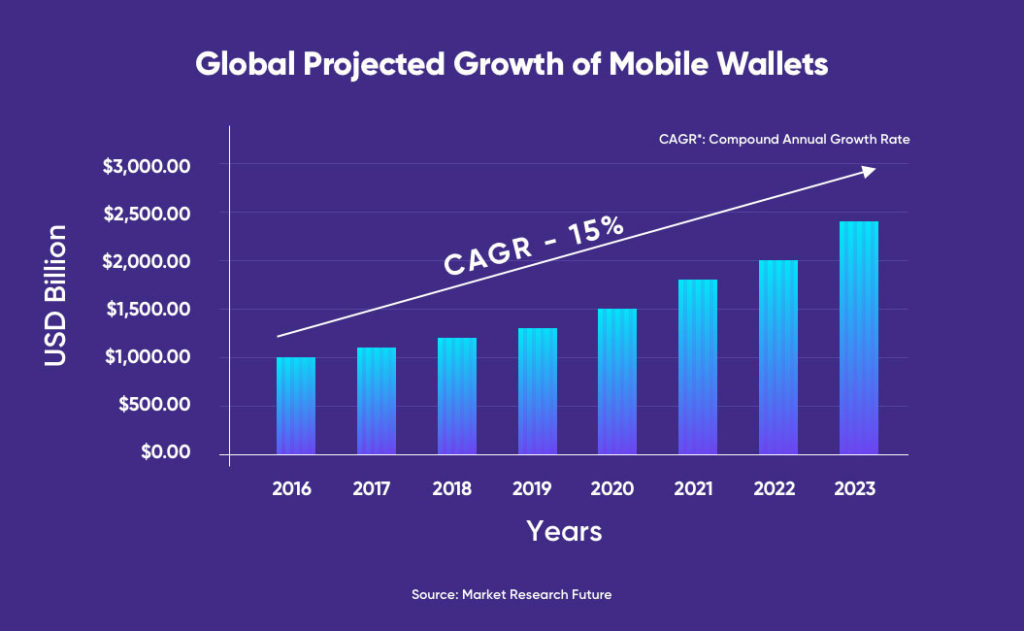
Source: https://www.netsolutions.com/i
Internal Wallet Types That Power Your Platform
When people hear “internal wallet,” they often imagine a single balance sitting inside an app. In reality, wallet systems are far more layered. Different wallet structures serve different strategic purposes; some drive revenue, some drive engagement, and some support creators.
If you’re building a platform, understanding these wallet types helps you design a financial ecosystem that aligns with your product vision.
1. Stored Value Wallets
A stored value wallet is the most straightforward model. Users deposit real money into their accounts and use it over time. Think of it as a prepaid balance sitting inside the app.
Instead of asking users to enter payment details for every transaction, the app deducts from their existing balance. The payment happens once at the time of top-up; after that, spending becomes instant.
This model works especially well when:
- Users make frequent purchases
- The platform offers multiple paid features
- Real-time interactions require instant transactions
Because the balance represents actual currency, transparency and security are essential. Users should always see a clear transaction history, available balance, and confirmation of deductions. When done right, this wallet becomes the foundation of frictionless spending.
2. Virtual Currency Wallets
Virtual currency wallets take a slightly different approach. Instead of showing ₹500 or $20, the platform converts that amount into coins, gems, or credits.
This small shift changes the emotional experience.
When users purchase virtual tokens, spending feels less like a financial decision and more like participating in the platform’s ecosystem. Coins can be used to send gifts, unlock features, or access premium interactions. The transaction feels native to the environment rather than transactional.
Virtual currencies are especially effective in:
- Gaming environments
- Live-streaming platforms
- Community-driven apps
- Interactive social spaces
They also allow flexibility in pricing, promotions, and bonus incentives. For example, offering “extra coins” on larger purchases feels more rewarding than simply discounting currency.
3. Reward Wallets
Not every wallet balance needs to be purchased. Reward wallets store credits that users earn.
These credits might come from:
- Completing onboarding steps
- Referring friends
- Participating in challenges
- Maintaining daily streaks
Unlike stored value wallets, reward balances are usually restricted to in-app usage. They cannot be withdrawn as cash. Their purpose is not direct revenue; it’s engagement.
Reward wallets create momentum. They encourage users to return, interact, and explore features they might otherwise ignore. When users feel they are earning something, they become more invested in the platform’s growth.
4. Creator Earnings Wallets
If your platform depends on creators, freelancers, or sellers, you need more than a consumer wallet. You need a structured earnings wallet.
A creator earnings wallet tracks income generated from:
- Tips
- Subscriptions
- Digital gifts
- Premium content sales
This wallet is not just about balance, it’s about trust. Creators should see detailed breakdowns, commission deductions, withdrawal options, and payout timelines. Visibility builds confidence. Confidence builds loyalty.
For platforms built around user-generated content, the creator wallet is not optional. It is the infrastructure that supports the supply side of your ecosystem.
5. Hybrid Wallets
Modern platforms rarely rely on a single wallet type. Instead, they combine multiple balances into one cohesive system.
A hybrid wallet might include:
- Purchased funds
- Promotional bonus credits
- Earned rewards
From the user’s perspective, everything appears unified. Behind the scenes, the platform tracks each source separately for accounting and compliance.
This structure gives businesses flexibility. You can run campaigns that offer bonus credits, reward loyal users, and still maintain clarity around purchased value. It allows financial strategy and user experience to work together without overwhelming the interface.
Core Wallet Features Every App Needs
An internal wallet should feel simple for users, but it needs strong features working in the background. These features keep the system safe, accurate, and easy to manage as your app grows.
1. Accurate Ledgers
Every time money is added, spent, rewarded, or refunded, it must be recorded properly. A good ledger keeps track of all transactions clearly. This helps avoid balance mistakes and makes it easy to solve problems if a user has a complaint. When records are accurate, users trust your app more.
2. Payment Gateway Integrations
Your wallet must allow users to add money easily. It should support trusted payment options like Apple Pay, Google Pay, and payment processors such as Stripe. When users can add funds quickly and safely, they feel comfortable using the wallet.
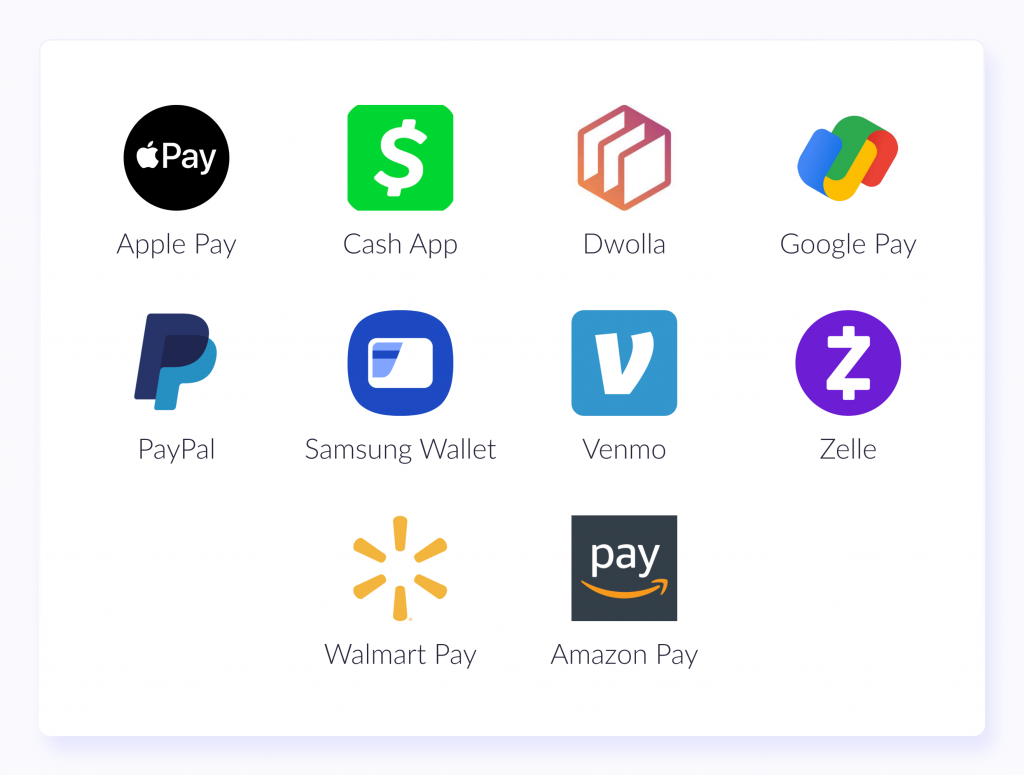
Source: https://geniusee.com/
3. Credit Management
Many apps have different types of balance, such as purchased money, bonus credits, or reward points. The wallet system should manage all these clearly. It should also handle things like expiry dates for bonus credits. This helps avoid confusion and keeps everything organized.
4. Admin Tools
Your team needs control behind the scenes. Admin tools allow you to check transactions, give refunds, adjust balances, and review user activity. This makes it easier to solve issues quickly and keeps operations running smoothly.
5. Security Measures
Since real money is involved, security is very important. The wallet should use encryption, fraud detection, and proper verification methods. Strong security protects user funds and builds confidence in your platform.
How the Internal Wallet Works
An internal wallet system may look simple from the outside, just a balance and a “Pay” button. But behind that simplicity is a clear and structured flow. Understanding this flow helps you see why wallets make digital platforms smoother and more scalable.
Here’s how the system typically works, step by step.
Step 1: Top-Up
The journey begins when a user adds money or purchases credits inside the app. They choose an amount, complete the payment through a gateway, and once the transaction is successful, the wallet balance updates immediately.
At this point, the money is stored within the platform. The user does not need to enter payment details again for future purchases. The value is now ready to be used anytime.
Step 2: Instant Access
Once the wallet is funded, spending becomes effortless. Whether the user wants to send a gift, buy a subscription, unlock exclusive content, or access premium features, they simply tap and confirm.
The balance deducts instantly, and the experience continues without interruption. This instant access is what makes internal wallets powerful for engagement-driven apps.
Step 3: Real-Time Transactions
When a transaction happens, for example, a user sends a gift during a live stream, the system processes it in real time. The user’s wallet is debited immediately, and the creator’s earnings wallet is credited at the same moment.
This real-time processing is especially important for live and interactive platforms. It keeps the energy high and ensures that creators see instant rewards for user engagement.
Step 4: Automatic Commission Handling
Behind the scenes, the platform automatically calculates its commission before crediting the creator’s final earnings.
For example, if a user sends a gift worth ₹100 and the platform fee is 20%, the system automatically allocates ₹20 to the platform and ₹80 to the creator’s earnings wallet. This split happens instantly and is recorded in the ledger.
There is no manual calculation required. The system handles distribution, tracking, and accounting seamlessly.
Best Practices for Integrating Wallets with App Features
An internal wallet system works best when it feels like a natural part of your app, not a separate payment system. The goal is simple: users should feel like they are interacting, supporting, or unlocking something… not “making a transaction.” Here’s how that looks across different features.
#1 Single-Host Live Streams
In a single-host live session, the wallet should work smoothly with the gifting feature. When a viewer sends a gift, their balance updates instantly, the gift appears on screen, and the creator’s earnings reflect the change right away. Everything should happen in sync without slowing down the stream. The wallet simply supports the interaction quietly while keeping transactions accurate and secure.
#2 Multi-Guest Live Features
In multi-guest live sessions, the wallet should clearly understand who the viewer is supporting. It needs to automatically handle how earnings are divided and make sure each creator sees the correct balance in their dashboard. Transaction details should be easy to track, so there’s no confusion about how funds were shared. Accuracy and clarity are especially important when multiple creators are involved.
#3 PK Battles / Competitions
For competitive features like PK battles, the wallet should connect directly to the scoring system. When viewers send gifts, those contributions should reflect in the score immediately and fairly. Everyone watching should see the same updated leaderboard. At the same time, the system must prevent misuse to keep the competition trustworthy.
#4 Paywalled Content
When users unlock premium chats or exclusive videos, the wallet should work closely with the access system. Once payment is completed, access should be granted right away. The platform should also keep proper records of transactions while ensuring that only paying users can view the content.
#5 Social Commerce
For merchandise or digital purchases, the wallet should be connected to the checkout process. It needs to confirm the user has enough balance, complete the payment, and record the order properly. If creators earn commissions, those should be calculated automatically. Clear transaction history and refund handling help maintain long-term financial organization.
How Wallets Generate Revenue
An internal wallet system is a structured revenue engine. When designed correctly, it creates multiple income streams for the platform. Here’s how wallets actively generate revenue.
Credit Sales
Revenue often begins the moment users purchase credits or top up their wallet balance. When someone adds ₹500 or buys a bundle of coins, the platform receives that payment upfront. Even before the credits are spent, the cash flow enters the business. This improves liquidity and gives the platform flexibility in managing operations and growth.
Transaction Fees
Every time a user sends a gift, purchases digital goods, or unlocks premium content, the platform can take a percentage as commission. For example, if a gift is worth ₹100, the platform might retain a portion while the rest goes to the creator. Because these transactions happen frequently in engagement-driven apps, even small percentage cuts can scale into significant revenue over time.
Subscriptions
Wallets make subscription models smoother. Instead of asking users to re-enter payment details every month, membership fees can be auto-deducted from the available wallet balance. This reduces churn caused by failed payments and makes renewals feel effortless, supporting recurring revenue for the platform.
Withdrawal Fees
For creator-based platforms, an additional revenue stream can come from withdrawal processing. When creators transfer earnings from their wallet to their bank accounts, the platform may apply a small service or processing fee. This helps cover operational costs related to payouts while keeping the core ecosystem running efficiently.
Why Everyone Wins: Benefits for All
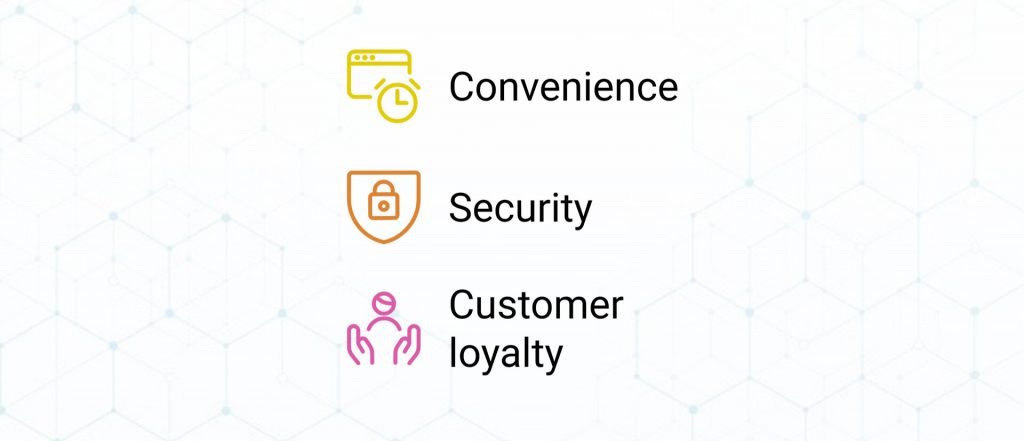
Beyond speed and convenience, it unlocks deeper strategic advantages for every participant.
Source: https://www.rapidinnovation.io/
For Users
Wallets give users better spending control. Instead of unpredictable charges hitting their bank account, they decide in advance how much to allocate to the app. This creates budgeting comfort. Wallets also simplify refunds and cashback handling, since credits can be returned instantly without waiting for bank processing. Over time, users feel more confident engaging with paid features because they know exactly how much balance they have and where it goes.
For Creators
Creators gain financial clarity and planning stability. With a structured earnings wallet, they can see patterns that streams performed better, which content generated more tips, and how consistent their income is over time. This visibility helps them treat content creation like a real business rather than a hobby. Additionally, wallet systems often reduce payout delays, helping creators manage cash flow more effectively.
For Platforms
For the platform, wallets create stronger ecosystem loyalty. When users maintain balance inside the app, they are more likely to return and continue engaging rather than switching to competitors. Wallets also enable smarter promotional strategies, such as bonus credits or limited-time incentives, which drive behavioral growth without directly discounting services. Over time, this strengthens user stickiness and improves lifetime value.
Optional Enhancements
To make an internal wallet system even more powerful, platforms can add advanced features that improve trust, intelligence, and global reach.
Global Compliance
As apps grow internationally, handling taxes, currency conversion, and local regulations becomes complex. A smart wallet system can automatically calculate taxes, manage multi-currency transactions, and stay aligned with regional laws. This reduces legal risks and makes expansion into new countries much smoother.
Predictive Analytics
Wallet data gives powerful insights into user behavior. By tracking spending patterns, platforms can identify peak activity times, popular features, and high-value users. This allows the system to trigger smart promotions, personalized offers, or bonus credits at the right moment — increasing engagement without guessing.
Web3 & Loyalty Integrations
For forward-looking platforms, wallets can connect with blockchain-based rewards or NFT-style digital collectibles. This adds transparency to transactions and builds stronger trust among users and creators. Loyalty tokens, milestone badges, or limited-edition digital rewards can also deepen emotional connection with the platform.
Why Build an Internal Wallet with Us at Appkodes?
Thinking about adding an internal wallet to your app, but don’t know where to begin? That’s exactly where Appkodes, a leading startup mobile app development company, steps in. We don’t just build apps, we build complete platforms designed to grow, scale, and generate revenue.
What do we actually create? We develop live streaming apps, social platforms, marketplaces, and creator-based ecosystems, all built with monetization at the core. Our internal wallet system supports credit purchases, tipping, subscriptions, pay-per-view content, and smooth creator payouts. Everything is designed to feel simple for users but powerful for your business.
Already running an app and want to upgrade it? We can integrate an internal wallet into existing platforms without disrupting your current experience. Whether you want to add virtual gifting, in-app credits, or premium unlock features, we make sure it blends naturally into your system.
Worried about security or performance? We handle secure payment gateway integration, real-time balance updates, detailed transaction tracking, and admin controls, so you stay in control while your users enjoy a seamless experience.
In short, if you want to turn engagement into real revenue, we help you build the financial engine that powers your app.

Arun Andiselvam
Founder of AppKodes. As a serial entrepreneur, I have successfully established five brands over the past 12 years. After creating a successful rank tracker for SEO agencies, I am currently dedicated to developing the world's first SEO Project Management software.