Why Single-Host Live Streaming is the First Feature You Must Build
If you spend time studying TikTok pages that eventually become real businesses, a subtle pattern begins to appear. Why do some pages suddenly capture attention while others barely get noticed? What signals indicate that an idea, a creator, or a product truly resonates with an audience?
These pages rarely start with polished products, detailed roadmaps, or complex infrastructure. Instead, there is often a period when a single person goes live repeatedly sometimes awkwardly, often unsure if anyone will show up. Could these small, seemingly insignificant sessions actually reveal something much bigger?
At first, it may look like nothing is happening. One host. One camera. Small audiences. But over time, viewers start to linger. Some come back the next day. Patterns emerge. How do founders recognize which signals matter? Which moments indicate real engagement, and which are just noise?
This is why single-host live streaming keeps appearing at the start of successful TikTok-first businesses. Could a simple live session be the key to discovering real demand before teams, scale, or complex features? Once that signal is clear, everything else becomes actionable. Until then, everything is just an assumption.
Seeing early demand is one thing, but turning it into a real product requires a clear approach. This is where the understanding becomes essential.
What is the Minimum Viable Product?
A Minimum Viable Product is the simplest, most stripped-down version of a product or service that allows a business to test real market demand, gather actionable feedback from users, and validate core assumptions before investing in full-scale development. It’s designed to minimize risk and provide the insights needed to make smarter decisions early on.
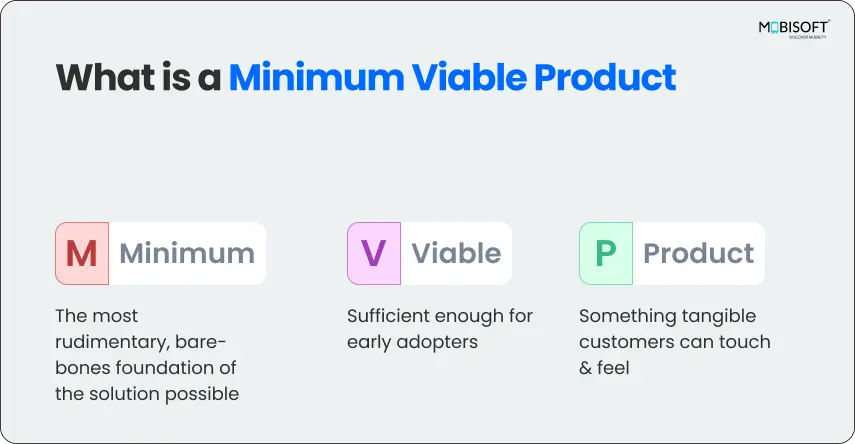
Source: https://mobisoftinfotech.com/
Why Single-Host Live Streaming is the Best MVP Feature to Start With
Most founders start by creating surveys, landing pages, or pre-recorded videos to “measure interest.” While these tools provide some signals, they rarely show how people will actually interact with your product. Clicking “interested” or joining a waitlist doesn’t guarantee real engagement once your app goes live.
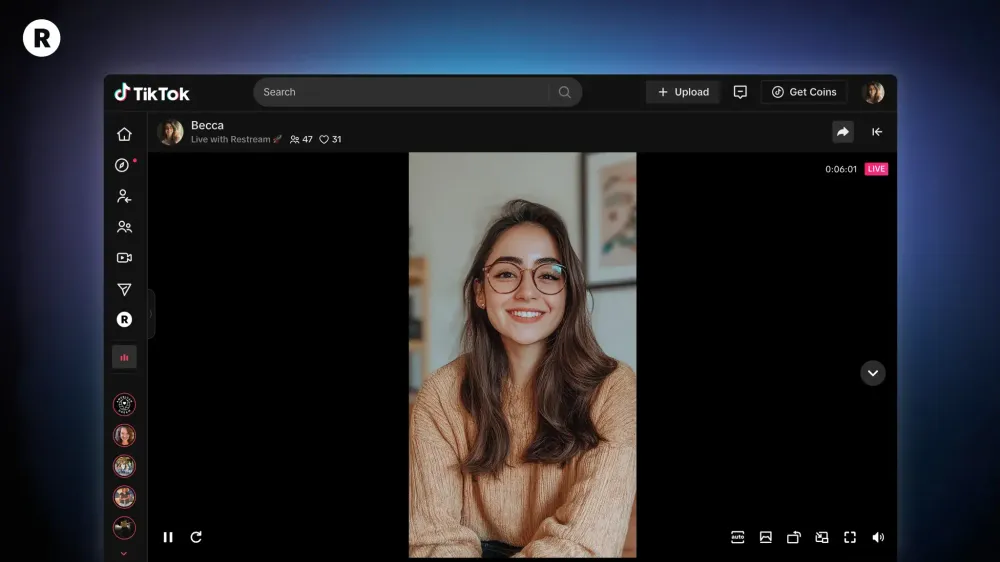
Single-host live streaming flips that model. By presenting your idea directly to an audience on TikTok Live, you see genuine user behavior in real time. How long viewers stay, what questions they ask, and whether they come back for future sessions, all of these reveal more about true interest than any click or view could.
A live streaming solution also surfaces insights that numbers alone can’t capture. Viewers might ask how a feature works, suggest improvements, or point out confusing parts. This kind of direct, qualitative feedback allows you to refine your idea early, ensuring that you spend time building only what matters to your audience.
The best part? Live sessions speed up your learning curve. Instead of waiting weeks to see if a pre-launch campaign works, you get instant feedback that shapes live chat, feature priorities, and your roadmap.
For founders, single-host live streaming isn’t just a way to validate demand; it’s a chance to connect with your audience, build trust, and iterate with confidence from day one.
The Only TikTok Live Capabilities You Really Need to Validate Your MVP
Once you’ve decided that single-host live streaming is your MVP, the next step is understanding which TikTok Live features actually matter for testing your app idea. You don’t need every filter, sticker, or fancy effect, just the tools that let you observe, measure, and act on user behavior.
1. Live Broadcast
The most basic and essential capability is being able to go live to the audience in real time. This allows you to present your app idea or demo your product without building a separate app first, keeping validation fast, simple, and focused on testing interest rather than polishing features.
2. Real-Time Interaction (Comments & Reactions)
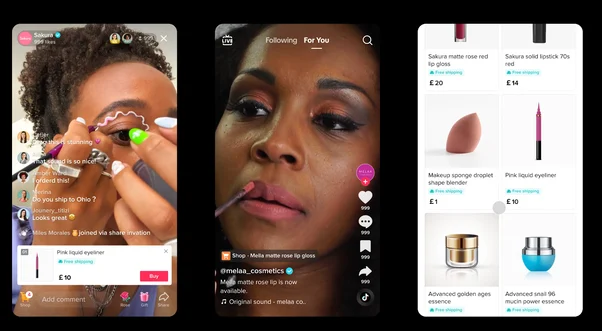
Interactive experience is the heart of validation. Comments let viewers ask questions, clarify doubts, or suggest features. Reactions like hearts, likes, or emojis show instant engagement.
Together, these provide both qualitative and quantitative signals, giving you early insight into what your audience truly cares about.
Source: https://www.bebolddigital.com/
3. Viewer Real-Time Analytics
TikTok Live offers basic metrics such as concurrent viewers, watch time, and peak engagement.
Tracking these numbers helps you understand which parts of your presentation capture attention and which may need improvement. You don’t need a complex analytics dashboard, just enough to see how your audience behaves and whether they stick around.
4. Pinned Links or Call-to-Actions (CTA)
During a live session, TikTok allows hosts to share links, hashtags, or prompts.
This feature lets interested viewers take the next step, whether signing up for early access, joining a waitlist, or visiting your landing page. It’s a way to turn attention into measurable action, which is the ultimate test of whether your MVP is generating real interest.
5. Session Recording (Optional but Useful)
While not strictly required, recording your live session can be extremely helpful. It allows you to review comments, interactions, and engagement trends after the fact, helping you spot insights you may have missed in real time and refine your product roadmap.
Once you start recording, you’ll also want a clean place to host the recordings so you can share them with investors, early users, or your internal team without relying on a single platform feed. Gumlet lets you embed the replays on your site or landing page and track engagement—so your “validation” doesn’t disappear after the live ends.
What Features Should NOT Be in Your Live Streaming MVP (and Why)
It’s tempting to pack your live streaming MVP with every flashy feature TikTok offers. They all seem excited. But in the early stages, extra features can actually slow you down, confuse your audience, and cloud your results. The goal of an MVP is to learn fast, not entertain or go viral.
1. Multi-Guest Live
Adding multiple hosts may sound like a great idea, but it brings technical headaches and coordination issues. For example, scheduling, syncing streams, or moderating multiple voices can distract from observing audience interest. Early on, one host is enough to test if your idea actually resonates.
2. PK Battles and Gamified Entertainment
Games, contests, or reward-based interactions may spike engagement, but they shift focus from your product. A viewer might stick around for the game, not because they care about your app concept. This inflates metrics without providing real insight into willingness to pay or genuine interest.
3. Advanced Discovery and Ranking Systems
Algorithm-driven feeds, personalized recommendations, or trending tabs are nice-to-haves, not MVP essentials. At this stage, your job is to see if users are interested in your idea itself, not whether it can go viral. Adding discovery features early is like decorating a house before checking if anyone wants to live there.
4. Other Non-Essential Features
Anything that doesn’t give instant insight into user behavior, engagement, or potential revenue should be postponed. For instance, filters, stickers, and complex moderation tools can wait. Early validation is about actionable feedback, not a polished final product.
How Single-Host Live Streaming Helps Founders Test Monetization Early
One of the most powerful benefits of single-host live streaming is that it lets you explore revenue potential from day one without building a full product or payment system. Live sessions show you how you could actually generate money.
1. Direct Viewer Support
Platforms like TikTok Live let viewers send virtual gifts or tokens during a session. Even small contributions indicate that people value your offering. Observing which content or demos inspire these gestures gives a low-risk signal of monetization potential, letting you prioritize features that truly matter to your audience.
2. Clicks and Conversions
You can share links to products, sign-ups, or landing pages directly in the live session. Tracking clicks or early registrations shows whether people are willing to act on your idea. This helps you identify price points, offers, or features with real revenue potential before investing in complex payment infrastructure.
Source: https://www.mirrorfly.com/
3. Participation in Mini-Offers
Polls, early-bird promotions, or in-stream challenges are simple ways to gauge engagement with monetized features. Participation signals which offers resonate, helping you refine your product positioning and pricing early.
4. Measuring Long-Term Engagement
Monetization isn’t just about one-time purchases; it’s also about repeat interactions. Returning viewers are more likely to participate in paid offerings over time, making it important to track repeated engagement during your live sessions.
Even at the MVP stage, these patterns provide valuable insight into potential lifetime value (LTV), helping you understand which content or product features are likely to generate sustained interest and revenue.
Key Metrics Founders Should Track in a Single-Host Live MVP
To validate your idea effectively, founders need to track a few core, actionable metrics.
First, measure average and peak live viewership. Average viewership shows how consistently people stay engaged during a session, while peak viewership highlights moments when your content grabs maximum attention, helping you understand which segments or demos resonate most.
Next, focus on watch time and engagement levels. How long viewers stay and how they interact through comments, reactions, or questions provides insight into attention and interest. For instance, if viewers drop off during a feature demo, that signals either confusion or a lack of appeal, allowing you to refine the content immediately.
Repeat viewers are another key indicator. Track how many people return for multiple sessions. Returning viewers signal habit formation, early loyalty, and interest strong enough to drive future monetization. Even small numbers of repeat attendees can guide decisions about content format, session frequency, and topic selection.
When to Expand Beyond Single-Host Live Streaming
Single-host live streaming is an excellent MVP tool, but knowing when to scale is crucial to avoid wasted resources or premature complexity. Expansion should be guided by concrete, multi-dimensional signals rather than one-off successes.
Start by evaluating consistent engagement. Are your live sessions attracting steady viewership across multiple broadcasts, rather than occasional spikes? Stable engagement indicates ongoing interest and shows that your idea resonates beyond initial curiosity.
Next, track retention and repeat participation. Returning viewers are a strong sign of stickiness and early loyalty. If a significant portion of your audience comes back for multiple sessions, it demonstrates that your content or product concept is compelling enough to build habits.
Source: https://restream.io/
Monetization behavior is another critical factor. Even small-scale indicators, like virtual gifts, clicks on product links, or in-stream participation, reveal whether your audience values your offering and is willing to take action. These early revenue signals reduce risk before investing in more complex payment systems or full-scale monetization features.
Consider verified market adoption metrics. For example, reaching around 1,000 app installs, consistent traffic, or repeat active users shows that your concept has tangible demand. This is a clear signal that scaling, adding multi-host streams, advanced features, or expanded campaigns will be meaningful and not premature.
How Appkodes Helps Founders Build and Scale Live Streaming Products
Appkodes gives founders a complete enterprise streaming solution designed to move fast from MVP to scale. With powerful embed code, founders can launch live experiences inside their own apps or websites without rebuilding infrastructure from scratch.
As a leading startup mobile app development company, we support rapid experimentation while keeping full ownership of the product experience.
Founders can leverage built-in integrations and live chat integration to enable real-time interaction, while built-in chat makes it easy to connect with audiences instantly. Whether the goal is public engagement or streaming privately,
Appkodes supports both open broadcasts and the ability to stream in private for exclusive sessions, internal demos, or business meetings.
For teams that need control and trust, Appkodes offers white-label streaming with full custom branding, allowing founders to present a polished, platform-native experience without third-party logos.
Privacy and security are built in from day one, with end-to-end encryption ensuring sensitive conversations, enterprise events, and private streams remain protected.
As products grow, in-depth analytics help founders understand viewer behavior, engagement patterns, and performance across sessions. These insights make it easier to refine features, improve retention, and confidently scale.
By combining private and public streaming, secure infrastructure, and audience interaction tools, Appkodes enables founders to build live-first products that are flexible, secure, and ready for real-world growth.

Arun Andiselvam
Founder of AppKodes. As a serial entrepreneur, I have successfully established five brands over the past 12 years. After creating a successful rank tracker for SEO agencies, I am currently dedicated to developing the world's first SEO Project Management software.