7 Weird but Genius MVPs Built with GPT & No Code (and What You Can Learn as a Founder)
When I built my first MVP, I treated it like a full-blown startup launch. I convinced myself I needed a groundbreaking idea, months of development, and a budget that would make my bank account sweat. Spoiler: I was totally wrong, those MVPs flopped fast.
But here’s the thing: they didn’t fail because the ideas were weird. They failed because I overthought, delayed testing, and chased perfection.
Meanwhile, the landscape has shifted dramatically, and by 2025, around 70% of new enterprise applications and business apps will be built using no-code or low-code tools, compared to less than 25% in 2020.
This isn’t limited to corporations; small businesses now account for over 60% of the no-code market, and 24% of users started fresh on these platforms with zero coding experience but mastered them within a month.
Why does this matter? Because weird ideas, especially those quirky MVPs that seem too odd to work, can be validated faster, cheaper, and more playfully than ever before.
Here are a few more stats to prove how powerful this trend has become:
- No-code tools of a startup mobile app development company cut your time by up to 70–90% making fast iteration not just possible but expected
- The global no-code market is exploding from around $12.8B in 2020 to an estimated $65B by 2027 and possibly up to $187B by 2030
- Speed, cost, and accessibility aren’t just theoretical; they deliver real returns. Across industries, companies report 362% average ROI from no-code implementations, with 91.9% recovering their investment within a year and savings of $1.7 million per year
Here’s the insight: Weird ideas aren’t weak, they’re early. What seems odd today might look like genius tomorrow.
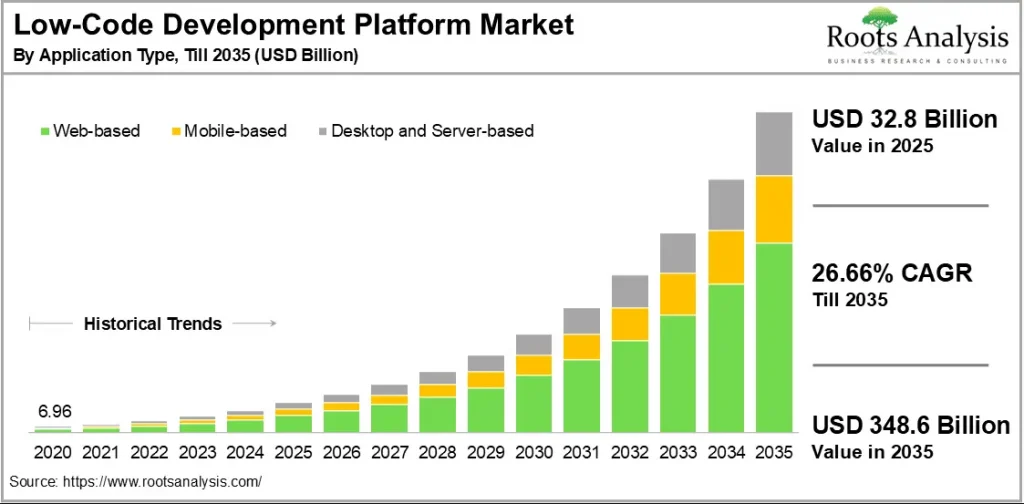
Source: https://www.rootsanalysis.com/
Airbnb started with air mattresses in a living room. Twitter was “short updates no one asked for”. Weird’s often just the first form of genius.
That’s where this post on 7 weird but genius MVPs built with GPT and no-code tools comes in. I wrote it to show you:
- Real case studies of MVPs that sounded ridiculous until they found traction.
- A founder-tested decision framework to help you test your own weird ideas fast.
- Personal insights from building, failing, and pivoting so you don’t have to learn the hard way. Have you ever looked at an idea in your notes and thought, “This is too weird to work”? You might be right.
The New Era of MVPs: AI + No Code = Infinite Possibilities
When I first started, building even the simplest MVP felt like running a marathon barefoot. It took weeks to get a prototype, months to get feedback, and by the time I had something working, the market had already moved on.
Fast forward to 2025, and the rules of the game have flipped. Thanks to GPT and no-code tools, what used to take months now takes days, sometimes even hours.
AI is no longer just a buzzword; it’s a co-founder that never sleeps, never complains, and can brainstorm, code, write, design, and even pitch for you. Combine that with no-code platforms and suddenly, anyone, from indie makers to enterprise teams, can ship MVPs at lightning speed.
And the numbers back it up:
- 70% of new business apps will be built on low-code/no-code platforms by 2025, up from less than 25% in 2020 (Gartner).
- AI adoption in startups jumped 250% between 2022 and 2024, with MVP builders leading the charge (PwC).
- Indie Hackers data shows that a growing share of projects launched on Product Hunt are built with AI and no-code, many within just a week of ideation.
- No-code cuts development costs by up to 65% and development time by 70–90%, meaning the only real barrier left is our imagination.
The impact? Founders are no longer gatekept by technical skills or deep pockets. A student with $50 and a weekend can now compete with a funded startup. A solopreneur can ship 5 MVPs in a year, test them all, and double down on the winner without hiring a single engineer.
And here’s where it gets interesting: this wave isn’t just about practical solutions. It’s also unleashing some of the weirdest, quirkiest MVPs we’ve ever seen. They are ideas that sound silly at first but capture attention, spark conversatio,n and sometimes even grow into businesses.
This article is about those MVPs. The “weird but genius” ones that prove in 2025, the line between experiment and startup is thinner than ever.
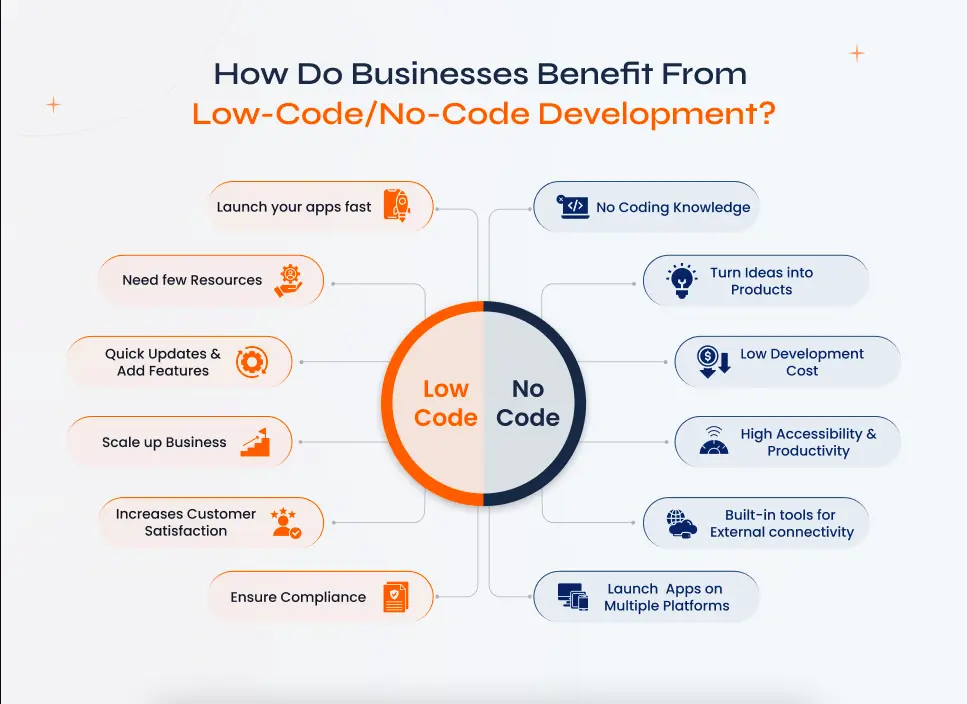
Source: https://www.sparkouttech.com/
Case Study 1: AI Concierge for Travelers – Daniel Morel
When Daniel Morel decided to build his first MVP, he wasn’t a developer. In fact, he openly called himself a “complete newb.” But with GPT and a handful of no-code tools, he pulled off something that would have been unthinkable just a few years ago: he built an AI-powered concierge for Orlando tourists in just a weekend.
Here’s how it worked: instead of digging through endless blogs or tourist sites, users could simply ask the AI, “Where can I find a great Cuban coffee near Lake Eola?” or “What’s a kid-friendly activity on a rainy day?” and get instant, personalized recommendations.
The Stack
- OpenAI GPT – for natural language responses
- Node.js + Netlify – lightweight backend & hosting
- GitHub – version control (with copy-paste guidance from GPT itself)
- No-code mindset – Daniel leaned on AI prompts instead of technical knowledge
Why It Worked (and Why It’s Genius)
- Niche focus: Instead of trying to build a global travel app, Daniel zoomed in on one city and one use case.
- AI as co-founder: GPT helped him write code, debug, and even explain concepts he’d never touched before.
- Validation-first: The MVP didn’t try to be perfect—it just needed to prove people wanted an AI concierge.
Decision-Making Insight for Founders
Don’t overthink your lack of technical skills. If Daniel, a self-described non-coder, could go from zero to functional MVP with just curiosity and persistence, so can you. The real question isn’t Can I build it? It’s Is this weird idea worth testing in under a week?
Case Study 2: SummaLetter – Newsletter Summarizer (Built in 11 Hours)
One of the most fascinating examples of a weird but genius MVP is SummaLetter, created by Tom Wesolowski. His idea was straightforward: most professionals subscribe to multiple newsletters but rarely have time to read them.
What if AI could do the heavy lifting, summarizing newsletters into bite-sized insights delivered directly to users?
Here’s the kicker: Tom built and launched the MVP in just 11 hours. No elaborate backend. No large engineering team. He leveraged GPT for natural language summarization and paired it with no-code tools to stitch everything together.
| Why This MVP Worked | Explanation |
| Pain Point → Solution Match | Professionals were drowning in information. AI-powered summaries solved an immediate productivity problem. |
| Execution Speed | By shipping quickly, Tom validated demand before wasting months building. |
| Monetization from Day One | Instead of offering it free forever, he added a paid plan early proving users were willing to pay for convenience. |
| Smart Scope Control | Rather than summarizing all content on the internet, he focused only on newsletters, a niche but high-need use case. |
| Results & Learnings | Takeaways |
| Rapid Launch | Built & launched in just 11 hours using GPT + no-code stack. |
| Immediate Revenue | Attracted paying customers almost immediately. |
| Micro-Product Power | Showed how even a small product can generate revenue if it solves the right problem. |
| Founder Lesson | You don’t need a big product to make a big impact; what matters is focus, speed, and testing bold ideas. |
7 Weird but Genius MVPs Built with GPT & No Code
Not all successful MVPs are sleek, polished, or mainstream. Some are downright weird, but genius. These 7 examples show that with GPT and no-code tools, even quirky ideas can be tested, validated, and monetized fast. Each story is broken down into
The Idea → The Stack → Why It Worked → Decision-Making Insight so you can see exactly how founders approached the challenge.
1. AI Concierge for Travelers – Daniel Morel
The Idea
Daniel wanted to create a virtual concierge for Orlando visitors. Users could ask any question, like Where’s the best Cuban coffee near Lake Eola? and get instant answers.
The Stack
GPT for natural language responses, Node.js + Netlify for backend and hosting, and GitHub for version control. Daniel used a no-code mindset for everything else.
Why It Worked
By focusing on one city and one use case, Daniel delivered immediate value without overcomplicating the product. He validated interest quickly and could iterate based on real user feedback.
Decision-Making Insight
You don’t need deep technical skills. Curiosity, persistence, and knowing how to leverage AI are often enough to launch a functional MVP.
2. SummaLetter: Newsletter Summarizer – Tom Wesolowski
The Idea
Professionals are overwhelmed with newsletters, but rarely read them all. Tom built an AI that summarized newsletters into bite-sized insights delivered via email.
The Stack
GPT for summarization, Bubble for frontend, and Lemon Squeezy for subscriptions and payments.
Why It Worked
It solved a small but real problem, time-crunched professionals loved it. Tom launched very fast and proved demand before overbuilding.
Decision-Making Insight
Pick a “small but annoying” problem. Solving a tiny, specific pain can be more powerful than trying to fix a huge, vague one.
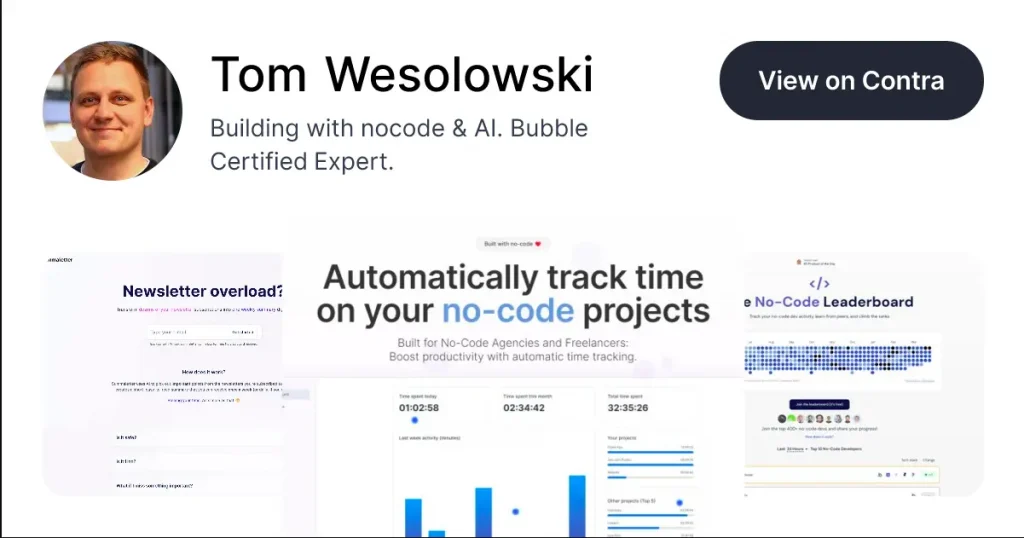
Source: https://contra.com/
3. Mentor Matchmaker in 24 Hours – Saketh Kowtha
The Idea
A Tinder-style web app that matched mentors and mentees. The twist? Saketh built it in a single day to validate demand.
The Stack
GPT for ideation, GitHub Copilot to generate backend code, and MidJourney to create visuals for UI.
Why It WorkedTight deadlines forced simplicity and clarity. By limiting the scope, he shipped a working product without unnecessary features.
Decision-Making Insight
Constraints can be your friend. Deadlines and tight focus help you avoid overengineering and get real-world feedback fast.
4. AI Dungeon Master – Indie Community Project
The Idea
An AI-powered storytelling engine that guides players through role-playing games. Users could create adventures interactively.
The Stack:
GPT for dynamic story generation, Bubble for frontend.
Why It Worked
MVP targeted a passionate niche audience, role-playing game enthusiasts, who were eager to experiment and provide feedback.
Decision-Making Insight
Serving a niche community first is often faster and more effective than targeting a broad, undefined market.
5. Four SaaS Apps by One Solo Founder – Eddie Larsen
The Idea
Eddie didn’t stop at one MVP. He built four SaaS apps: Biobuild.io, AIpolicies.io, TriviaQuiz.io, and StellarOrg.co, all solo.
The Stack
GPT for ideation and copywriting, Lovable.dev for UI, Supabase for backend.
Why It Worked
Launching multiple MVPs let Eddie test, learn what users wanted, and double down on the products that worked.
Decision-Making Insight
Don’t just have one idea. Testing multiple MVPs increases your chances of finding a winner and minimizes wasted effort.
6. AI Obituary Ghostwriter – Indie Hackers Experiment
The Idea
AI-generated obituaries for creative or personalized tributes. A niche, slightly weird idea that got attention.
The Stack
GPT for writing, Notion templates for organization and delivery.
Why It Worked
It was unusual, so it got people talking. Even without massive adoption, it validated a weird market.
Decision-Making Insight
Controversy can create awareness and engagement, but always be mindful of the boundaries.
7. AI Meme Factory
The Idea
Automate shareable memes for social media audiences. Built for virality, not utility. Similar to an online meme generator, AI Meme Factory uses automation to create viral content effortlessly. This is much like any advanced image generator, making it easier to produce captivating visuals.
The Stack
GPT for captions, MidJourney for images, Zapier to automate publishing, and a Twitter bot for distribution.
Why It Worked
Designed for engagement only, it quickly got attention and followers without a traditional product market fit.
Decision-Making Insight
Not every MVP needs to be “useful” in a traditional sense; sometimes, validating an audience or community is the real win.
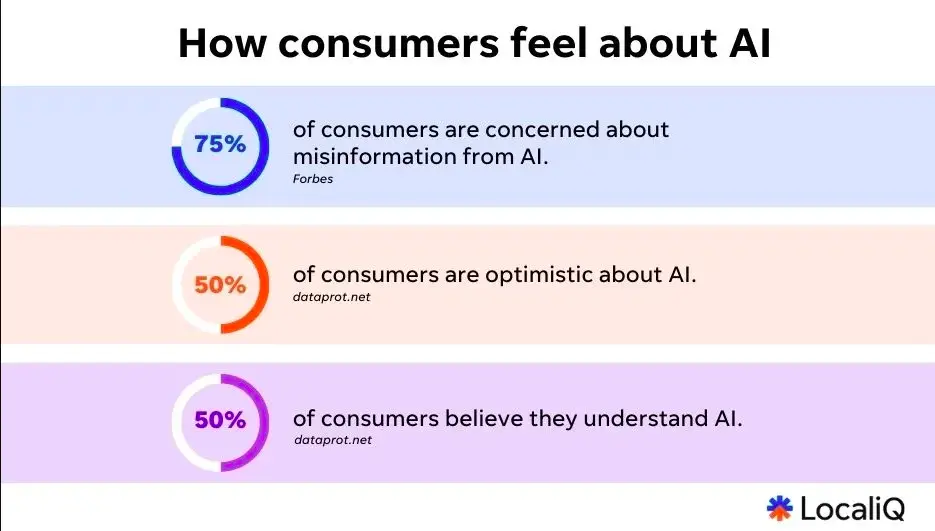
Source: https://localiq.com/
Decision-Making Framework: Should You Build That Weird MVP?
The biggest challenge for founders is not execution, it’s knowing which idea deserves your energy. Most people get stuck because every idea feels either too small or too crazy. But the truth is, some of the most “weird” MVPs end up being the most powerful, simply because they solve a pain point nobody else is paying attention to.
I approach this with three brutally honest questions.
The Three Founder Questions
Does it solve a real pain, even if it looks quirky from the outside?
Most founders dismiss small problems because they don’t look like billion-dollar ideas. But early traction rarely comes from big visions; it comes from tiny, specific pains. Think of a founder who built an AI that summarizes newsletters in seconds. To outsiders, it might have looked trivial. To busy professionals drowning in inbox chaos, it was a godsend. Weird MVPs work because they zoom in on overlooked frustrations.
Can I launch it in less than a week using GPT and no-code tools?
Speed is your best filter. If an idea requires months of engineering before you can even test it, you’re probably biting off too much. The magic of modern tools is that you can now test wild concepts with landing pages, GPT-powered prototypes, or simple automations—without writing a single line of custom code. If your MVP can’t be stripped down into something shippable in a week, it’s not really an MVP.
Does it have a viral or niche-friendly hook?
Weird MVPs live or die by their ability to spread. You’re not just testing whether people need it you’re testing whether they’ll talk about it. A quirky use case (“AI that writes Tinder openers” or “an app that picks the perfect meme for your Slack channel”) may sound silly, but that very silliness makes it shareable. Even if it only appeals to a tight niche, the niche becomes your first tribe, and that’s enough to validate whether it’s worth scaling.
Now, once you’ve asked yourself these three questions, you need a way to test the answers quickly. That’s where lightweight validation comes in.
Instead of coding the whole product, you can spin up a landing page with a waitlist, share a mockup on LinkedIn or Twitter, or run a tiny ad campaign to see if people click. Some founders even launch with nothing but a Google Form disguised as a product. When someone signs up, they fulfill the service manually.
The goal isn’t to build the “final thing.” It’s to prove whether the pain, speed, and hook actually resonate.
This framework isn’t just about cutting risk; it’s about permitting you to build the ideas you would normally dismiss as too weird. By filtering them through pain, speed, and virality, you’ll find out which ones are worth turning from joke to juggernaut.
Why Weird MVPs Work? (Backed by Psychology & Data)
At first glance, building a quirky, almost unconventional MVP might seem like a risky move. Why invest energy in something that doesn’t look like the next “serious” unicorn idea? But psychology and startup data suggest otherwise.
The strange, the unusual, and the unexpected have a powerful way of cutting through noise, helping founders test assumptions faster and attract attention that a polished, corporate-looking prototype might never receive.
One of the strongest forces behind this is novelty bias. Cognitive science shows that people naturally remember odd, unfamiliar, or out-of-context experiences better than ordinary ones. In fact, a Harvard study on consumer behavior found that novel products are 33% more likely to be recalled in conversation than standard ones.
When your MVP is quirky, say, an AI that generates “dad jokes” on demand, it doesn’t just demonstrate technical ability; it instantly sticks in someone’s mind and becomes more likely to be shared.
That ties directly into shareability. Weird ideas are inherently more “meme-able.” They trigger curiosity, humor, and conversation, three essential drivers of virality in today’s attention economy.
According to a Nielsen report, 92% of people trust and act on recommendations from friends and peers more than ads, meaning if your MVP sparks a laugh or a “wait, that’s actually smart” moment, it’s far more likely to spread organically. For founders without massive marketing budgets, weirdness itself becomes a growth hack.
There’s also the matter of efficiency. Quirky MVPs force you to strip an idea down to its bare bones and launch fast. Instead of spending months perfecting design and backend scalability, you push something scrappy into the world. If it fails, you know quickly and cheaply.
If it resonates, you’ve validated demand with almost no sunk cost. Failures aren’t wasted, they’re fuel for faster pivots. This aligns with CB Insights’ data showing that 35% of startups fail due to a lack of market need; by testing niche or oddball ideas first, founders reduce the risk of sinking resources into a solution nobody wants.
Even the startup ecosystem has embraced this principle. Y Combinator partner Michael Seibel has said, It’s better to launch something weird and learn than to overthink and never launch at all.”
Weird MVPs work not because they’re perfect, but because they break inertia, spark conversation, and reveal the truth of whether your quirky pain point is actually someone else’s problem too.
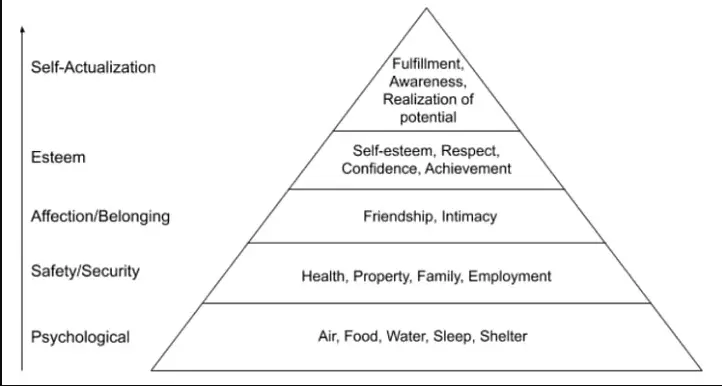
Source: https://miro.medium.com/
Founder’s Playbook: How to Build Your Weird MVP in 2025
Building an MVP doesn’t need to take months, piles of cash, or a big team. In 2025, the right mix of AI + no-code tools + founder scrappiness can get you from idea to launch in days, not quarters. Here’s the four-step playbook.
Step 1: Ideate with GPT
Every great MVP begins with a spark. In 2025, founders don’t need to stare at blank pages or wait for divine inspiration. GPT has become the ultimate brainstorming partner. Instead of thinking in isolation, founders can feed quirky prompts, test different angles, and refine ideas in minutes.
The best part? GPT doesn’t just generate random concepts; it can simulate user personas, highlight pain points, and even draft potential feature sets. What once took weeks of market research can now be compressed into a focused morning of idea exploration.
Step 2: Pick Your No-Code Stack
Once the concept feels promising, it’s time to translate it into something tangible. No-code tools have matured to the point where selecting the right stack is less about technical skill and more about matching scope to tool.
A lightweight MVP might thrive on Webflow and Zapier, while something more dynamic could live on Bubble or Glide. The lesson here is restraint: don’t overbuild. The stack should fit the problem, not the other way around. The goal is to create just enough functionality for users to touch, test, and respond to.
Step 3: Launch Ugly, Learn Fast
Perfection is the enemy of validation. A weird MVP is meant to be scrappy, even a little messy. Launching quickly gives founders something far more valuable than polished design: feedback. Early users don’t expect beauty; they expect clarity.
Can they understand what your product does in 10 seconds? Can they try it without friction? If yes, you’re on the right track. If not, iterate and ship again. Each imperfect launch is a step closer to market fit. Speed beats polish every time.
Step 4: Document and Share
One of the hidden superpowers of building in 2025 is that your story is often just as valuable as your product. By documenting the messy journey screenshots of your first ugly mockups, clips of GPT conversations, user rejections, and small wins, you build trust and credibility.
People don’t just buy into products; they buy into narratives. A founder who shares transparently creates momentum, draws in curious users, and sometimes even attracts investors who resonate with the honesty of the journey.
“I’ve built and failed enough MVPs to know this much: speed beats polish every time. The products that worked weren’t the ones I obsessed over for months; they were the ones I launched quickly, tested ruthlessly, and iterated without ego.”
Conclusion: Weird Today, Genius Tomorrow
Here’s the thing about MVPs: what looks “weird” today often becomes the playbook of tomorrow. Airbnb once sounded like couch-surfing with strangers; later, many started looking for how to build an app like Airbnb. Twitter? Just “status updates no one asked for.” Yet these “strange” ideas turned into multi-billion-dollar empires.
After walking through 7 scrappy case studies and a decision-making checklist, one truth stands out,
The future doesn’t reward the safest ideas. It rewards the tested ones.
Your weird idea is not a liability. It’s your best teacher. Every half-baked sketch in your notes app is waiting for its 48-hour spotlight. GPT + No Code isn’t just a toolkit—it’s your cofounder who never sleeps. So here’s your challenge,
- Open your notes app.
- Pick the weirdest idea you’ve written down (yes, the one you were too embarrassed to pitch).
- Give it 48 hours with GPT + No Code.
- Launch a landing page, throw it on Twitter, share it with a niche Discord, whatever.
Because sometimes, the fastest way to genius is by testing something so weird, only you believe in it until others do. Weird today. Genius tomorrow.
Frequently Asked Questions
1. Can a weird MVP really become a startup?
Yes. Many quirky MVPs start as “odd experiments” but gain traction because they solve a very specific pain point. For example, AI-powered daily summaries or hyper-niche travel planners often grow from side projects into profitable startups. The key is not the “weirdness,” but whether real users engage with it and find value.
2. Do I need coding knowledge to launch?
Not anymore. With no-code platforms (like Bubble, Glide, or Webflow) and AI APIs (like GPT), non-technical founders can launch functional MVPs in under a week. What used to take months of engineering now takes days.
3. What are the fastest no-code tools for AI MVPs?
Bubble – great for web apps with custom workflows
Glide – build mobile apps directly from Google Sheets
Webflow – design-heavy landing pages with CMS
Zapier / Make – connect AI APIs and automate workflows
Replit + GPT – lightweight coding support if needed
4. How do I know if an MVP is worth scaling?
Look at user engagement, not vanity metrics. If people return, share, or pay for early access, you’ve got traction. Even a waitlist of 200–500 genuinely interested users is a strong green flag.
5. Should I build one MVP or test multiple?
For solo founders or small teams, running 2–3 micro-MVPs in parallel is a smart way to de-risk ideas. Instead of betting everything on one project, test quickly, kill weak ones, and double down on the winner.

Arun Andiselvam
Founder of AppKodes. As a serial entrepreneur, I have successfully established five brands over the past 12 years. After creating a successful rank tracker for SEO agencies, I am currently dedicated to developing the world's first SEO Project Management software.